

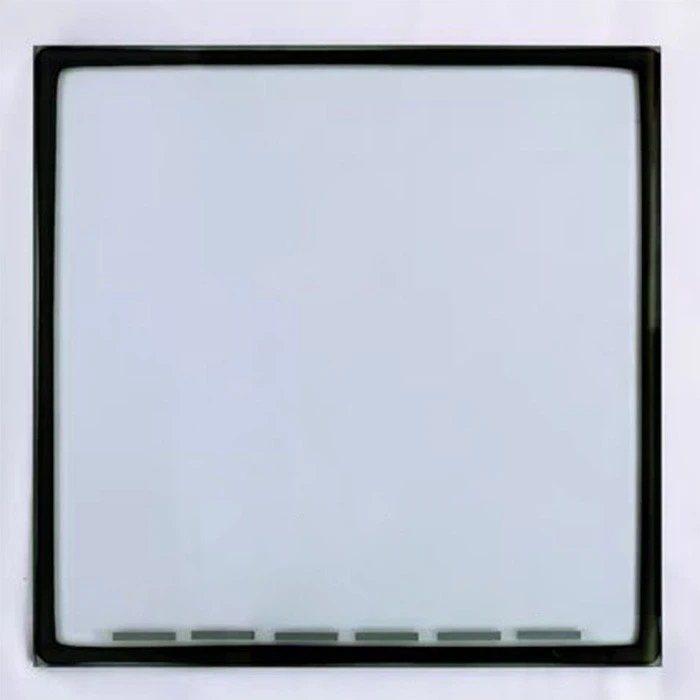
Single Cavity Vacuum Glass
One-step molding without venting The products of Jinan Huanqiu Glass Technology Co., Ltd. adopt one-step molding method (also known as "one-step method") "One-step molding" vacuum glass production process The glass is heated, vacuumed, and sealed in a special vacuum chamber....
One-Step Molding Without Venting
The products of Jinan Huanqiu Glass Technology Co., Ltd. adopt one-step molding method (also known as "one-step method")
"One-step molding" vacuum glass production process
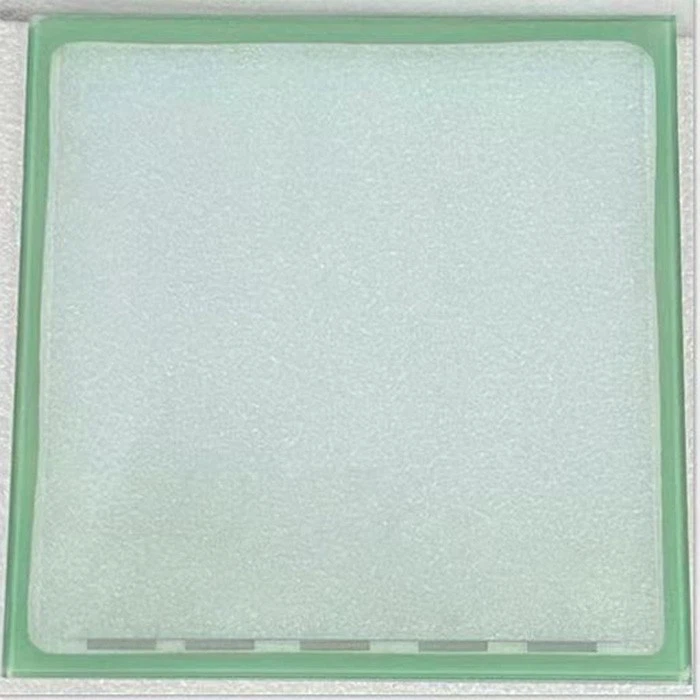
The glass is heated, vacuumed, and sealed in a special vacuum chamber. There are no vents on the glass surface or corners
The comprehensive advantages of the one-step method compared to the two-step method
|
Advantages |
One-step method |
Two-step method |
|
Automation level |
High |
Low |
|
Output |
Large |
Small |
|
Quality |
Stable |
Unstable |
|
Yield |
High |
Low |
|
Energy consumption |
Low |
High |
|
Cost |
Low |
High |
|
Price |
Low |
High |
Warranty And After-Sales Service
The warranty period for vacuum glass is 15 years. If the damage is not caused by human factors, our company will replace the vacuum glass of the same size free of charge.
Single Cavity Vacuum Glass
Vacuum glass is a new product that is heat-insulating, sound-insulating, efficient, energy-saving, lightweight and durable.
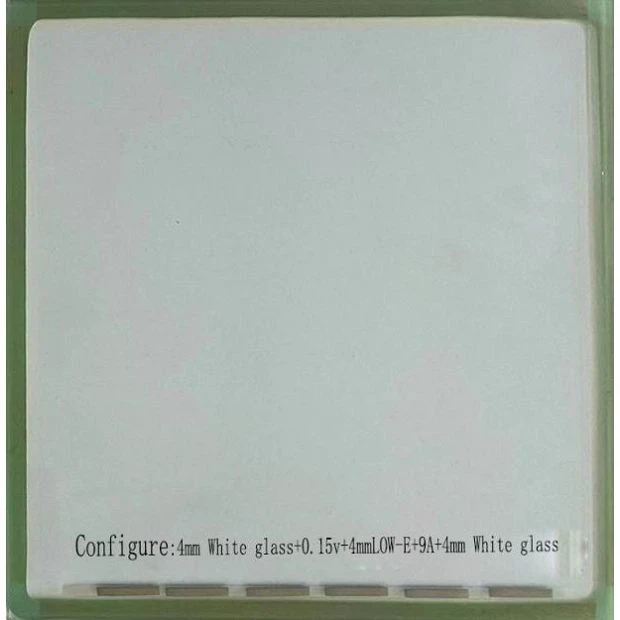
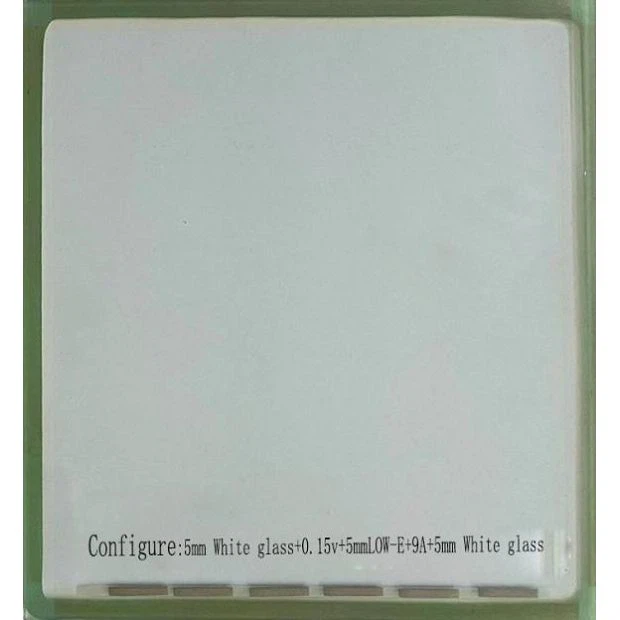
Vacuum Glass Production Process
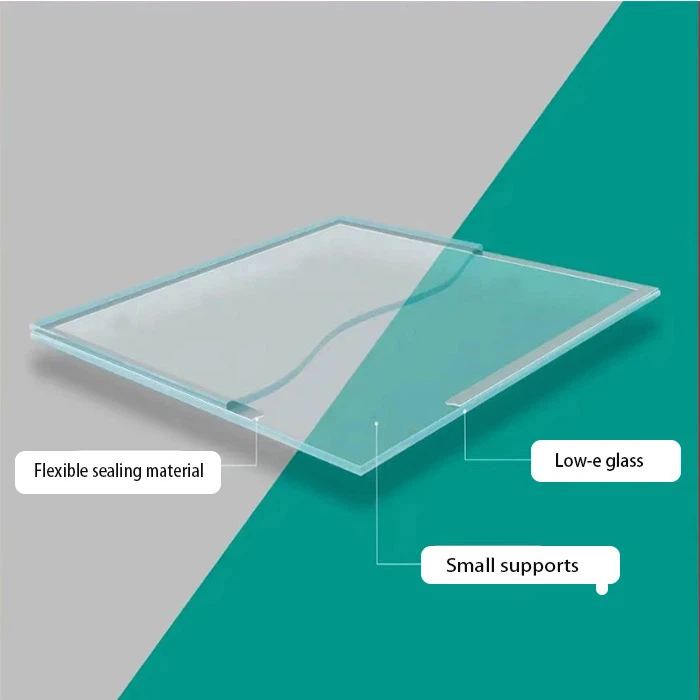
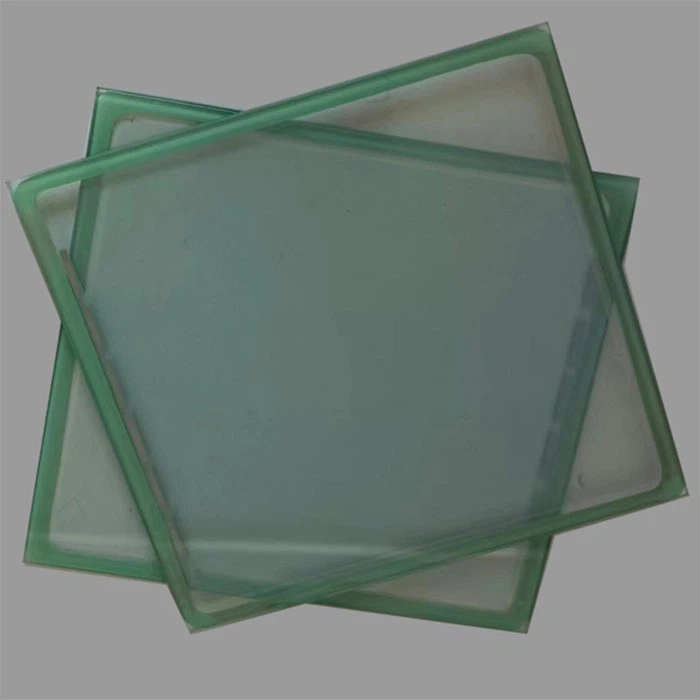
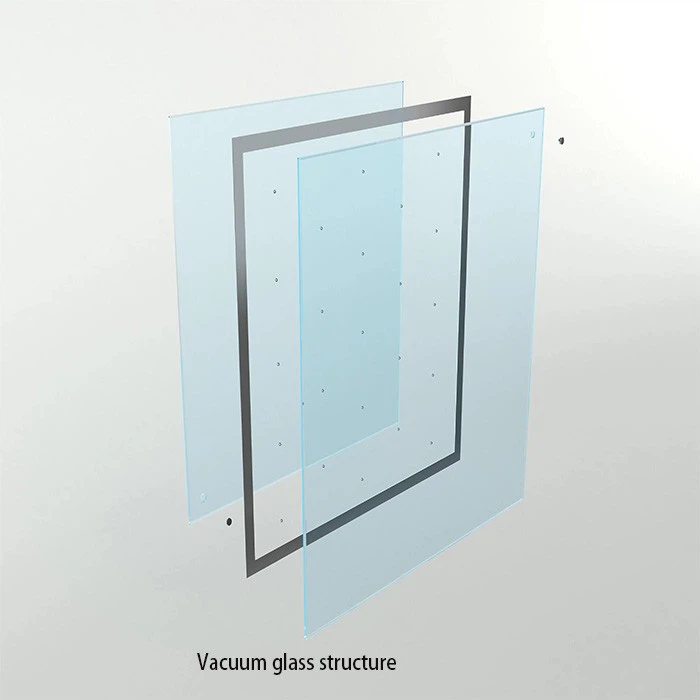
It is composed of a piece of transparent glass and a piece of Low-E glass. It is a glass product made by sealing two pieces of flat glass and evacuating the gap. The cavity height is 0.5mm and there is a high vacuum inside the cavity. It can be directly installed on doors, windows or other frames. The heat insulation performance is about 5-6 times that of ordinary insulating glass. The commonly used total thickness of glass is about 10.5mm or 12.5mm.
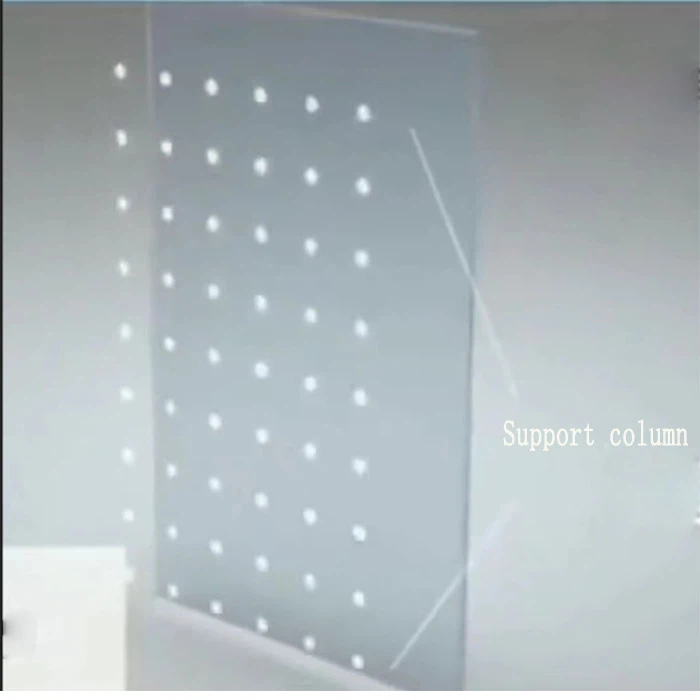
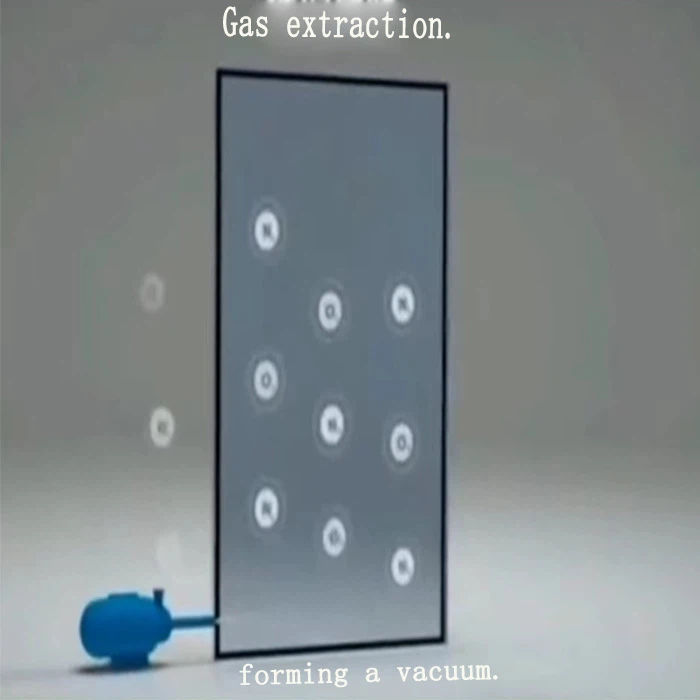
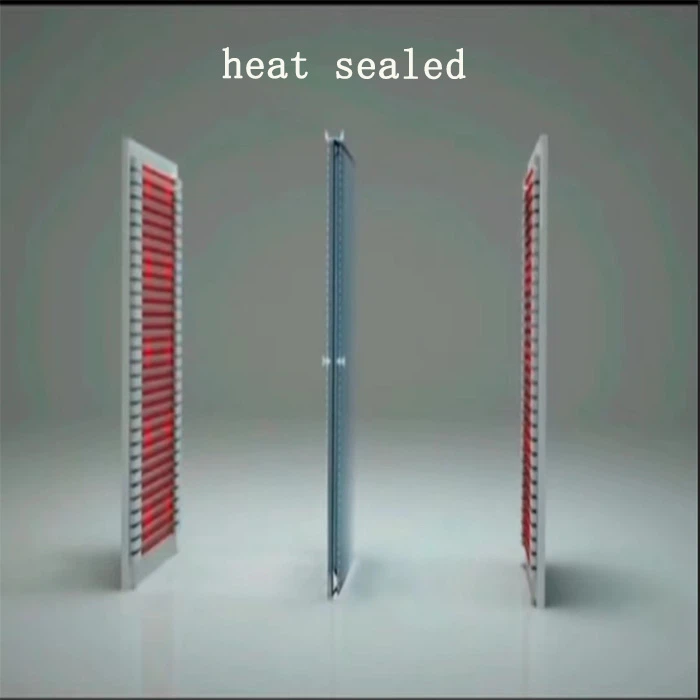
Principle:
Vacuum glass adopts the principle of electric vacuum and is an integrated innovation of electronic picture tube technology and glass deep processing technology. It has the characteristics of super heat preservation, heat insulation, anti-frost and condensation, sound insulation, long service life and high added value. Its heat insulation performance is 10 times that of ordinary single-piece glass and 3-5 times that of hollow glass, and the sound insulation reaches more than 35 decibels.
Vacuum glass is the third generation of international energy-saving glass after hollow glass and Low-E hollow glass. It is a new material in the national strategic emerging industry, a new type of glass deep processing product, and one of the few cutting-edge products with independent intellectual property rights in my country's glass industry. Its research and development, production and promotion are deeply in line with my country's independent innovation policy, and more in line with the "dual carbon" energy-saving and environmental protection strategy vigorously advocated by the country. It has good development potential and market prospects. The products can be widely used in energy-saving buildings, home appliances, transportation, solar energy utilization and modern agriculture.
Application Field Display
Construction field
As my country's building energy-saving standards continue to improve, the energy-saving glass industry has maintained an average annual growth rate of nearly 30%, and the annual production capacity of insulating glass has reached nearly 400 million. Vacuum glass is an upgraded product of insulating glass.
Home appliance field
Mainly used for home appliances such as freezers, refrigerators, commercial display cabinets, wine cabinets, etc. Vacuum glass has the advantages of heat insulation, sound insulation, and no frost and condensation in high temperature and high humidity environments. The annual output of the above-mentioned home appliances is calculated as 50 million units, which requires 75 million vacuum glasses.
Transportation field
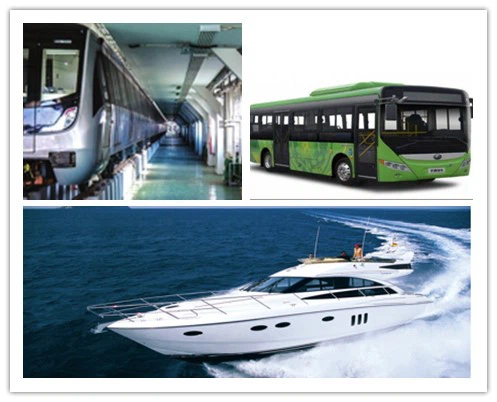
The use of vacuum glass in the side windows and skylights of new energy vehicles can reduce the energy consumption of air conditioning in the car, reduce the number of generator starts, increase the range of electric vehicles accordingly, and reduce the noise in the car. In addition, it can also be used in subway high-speed rail carriages, ship windows, etc. The market size is tens of millions.
Solar energy field
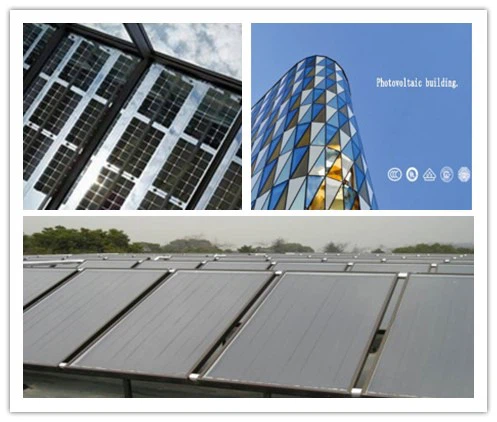
Using its heat preservation and heat insulation properties, it is used as the cover of new flat-plate solar water heaters to enhance the heat storage capacity of water heaters; as the bottom plate of solar photovoltaic cells for buildings, it isolates the heat from being transferred indoors, which is conducive to the integration of photovoltaic buildings. The market size is hundreds of millions.
Facility agriculture field
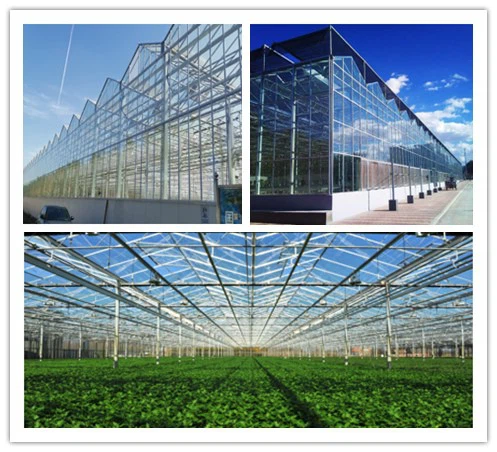
As a new type of covering material for greenhouses, it has high transparency and high thermal insulation in winter, heat insulation and moss prevention in summer, special glass film layer to increase photosynthesis, good dust and pollution resistance and ultra-long service life, etc.
Vacuum Glass Parameters
|
Corfigutation al products |
Wihiible light |
Whiible light |
Thermal conductivity U value | Total solar transmittance | Shading factor | Light-to-heat ratio | Weighted sound insulation | |||
|
TrarueaC |
Rafectivity |
TrarueaC |
Rafectivity |
W/m² |
9 |
Sc |
LSG |
dB |
||
| Vacuum glass |
ST+0.15V+5T |
81 |
13 |
60 |
31 |
1.45 |
0.65 |
0.86 |
0.31 |
36.00 |
| Vacuum glass |
SLT+0.15V+5T |
80 |
15 |
57 |
35 |
0.58 |
0.62 |
0.71 |
1.29 |
36.00 |
| Vacuum composite hollow |
ST+16A+SLT+0.15V+5T |
72 |
23 |
51 |
39 |
0.55 |
0.57 |
0.66 |
1.26 |
40.00 |
|
|
1.T: tempered white glass;TL: tempered Low-e glass;V: vacuum layer; A: air layer. 2.The maximum size: 1500*2500(mm);Minimum size:300*300(mm). 3. The above data is for reference only, and the specific product parameters need to be calculated separately, to tengzhiyuan company for specific product parameters shall prevail. |
|||||||||
Application Scenarios:
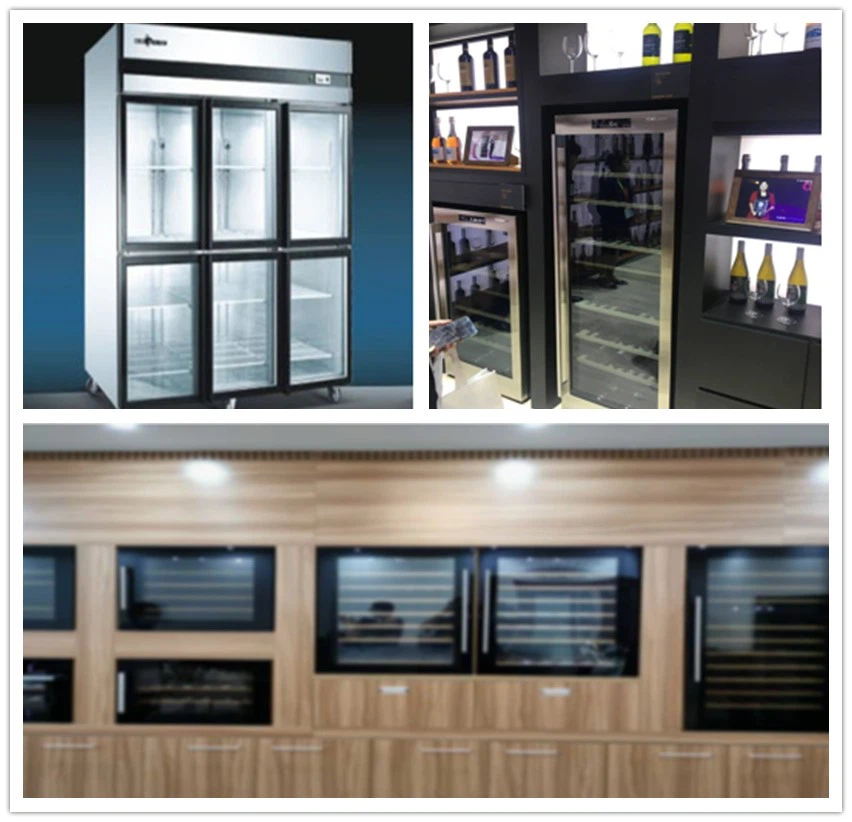
Home Appliance Market
As the glass door of household appliances such as refrigerators, freezers, and wine cabinets, it can effectively prevent frost and condensation caused by the large temperature difference between the inside and outside of the glass door; correspondingly reduce the number of starts of the compressor and extend its service life.
According to comprehensive calculations, the annual domestic production of the above-mentioned home appliances is 50 million units. If each unit requires an average of 1.5 square meters of glass, 75 million square meters of energy-saving glass will be needed.
Transportation Market
In addition to enhancing the thermal insulation performance of the car windows, it also has a good sound insulation and noise reduction effect; since it reduces the energy consumption of heating and cooling in the car, it can also increase the cruising range of new energy vehicles accordingly.
In 2021, the production of new energy vehicles alone will be 3.278 million units, and the market demand for energy-saving glass will reach 30 million square meters; in terms of glass for railway locomotives, the area required for unit carriage glass is about 19 square meters. Based on the production of 4,000 railway passenger cars, the area of energy-saving glass required is approximately 760,000 m2; windows account for about 1% of each deadweight tonnage of civil ships. Based on the annual output of 10 million tons of the shipbuilding industry, the area of energy-saving glass required is approximately 5 million square meters.
Solar thermal/photovoltaic market
As the cover of flat-plate solar water heaters, it can insulate and effectively prevent the loss of heat in the water heater; as the base plate of photovoltaic solar cells, it is suitable for building integrated photovoltaics (BIPV) to isolate the heat transfer between indoor and outdoor; maintaining a relatively constant temperature is conducive to improving the photovoltaic conversion efficiency.
During the 13th Five-Year Plan period, the average annual output of solar water heaters reached 80 million square meters, of which flat-plate solar water heaters accounted for about 10%. The area required for a single unit is calculated based on an average of 2 square meters, which means that the area of energy-saving glass required is 16 million square meters.
In 2020, China's photovoltaic module production reached 124.6GW. According to the average calculation that 1 square meter of cover glass is used for each 100W battery module, more than 100 million square meters of energy-saving glass are required.
Agricultural greenhouse market
Enhance the thermal insulation performance of greenhouses and extend their service life.
Data show that at the end of 2018, the national greenhouse area was 5.41 million mu, and the greenhouse area was 15.82 million mu. my country's greenhouse area ranks first in the world, and the factory breeding area is also developing rapidly. It is estimated that by the end of 2025, the national greenhouse area will reach 7.4 million mu, and the greenhouse area will reach 19.28 million mu.
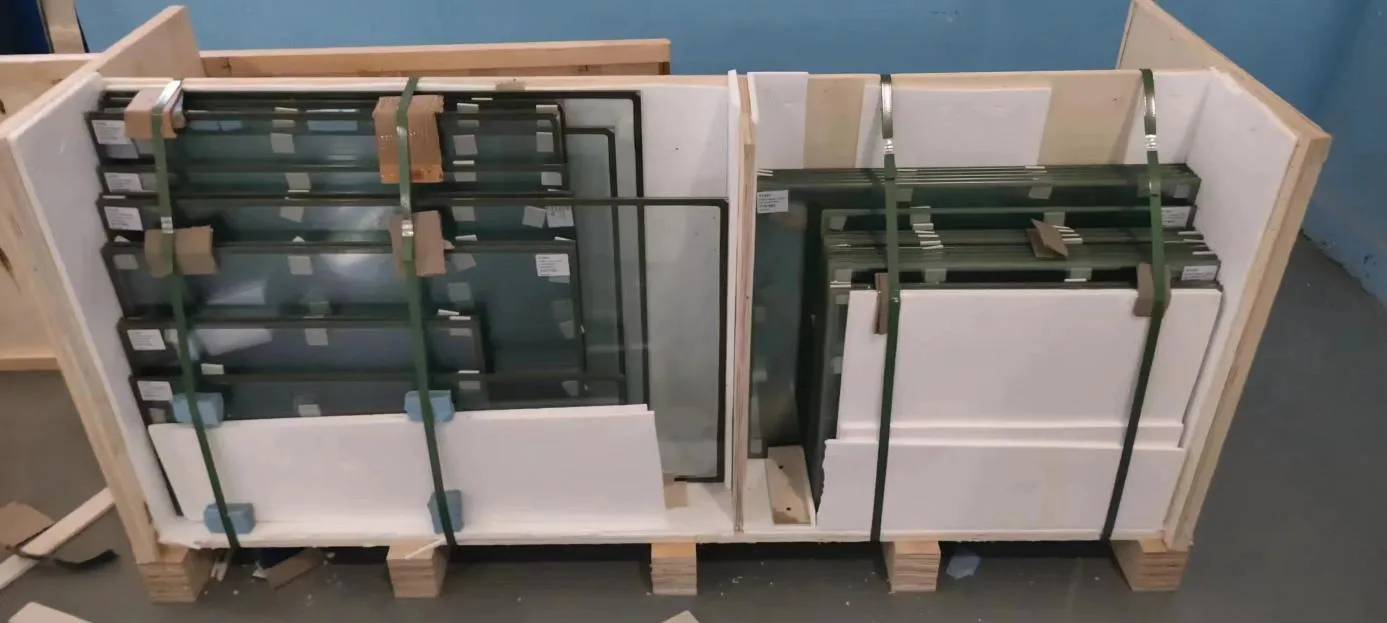
Safe Packaging
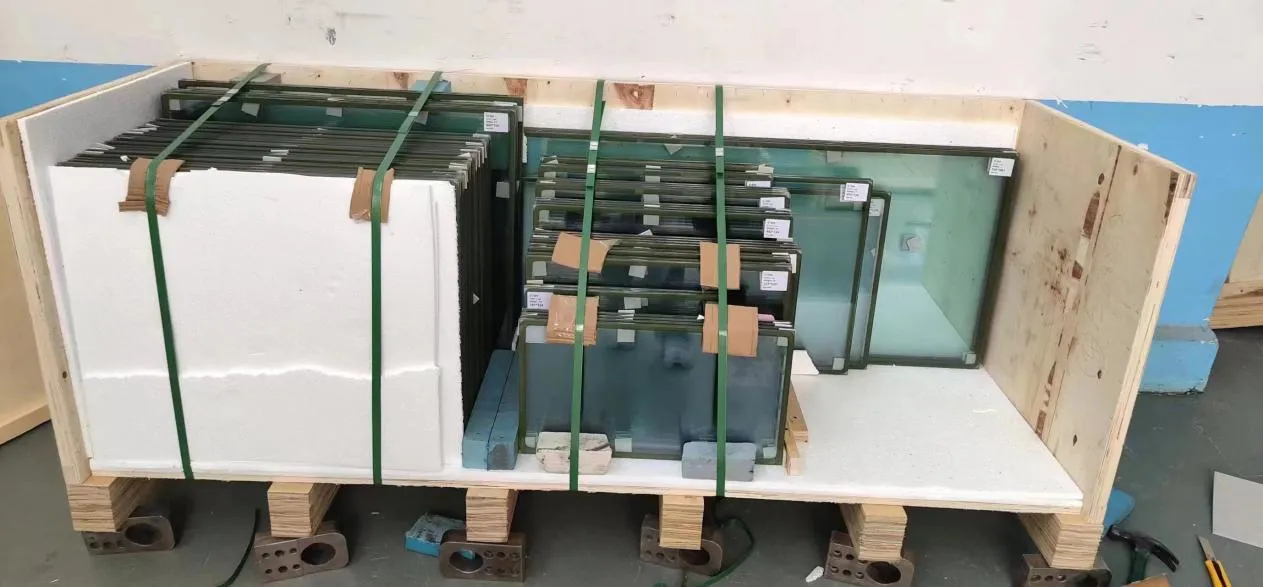
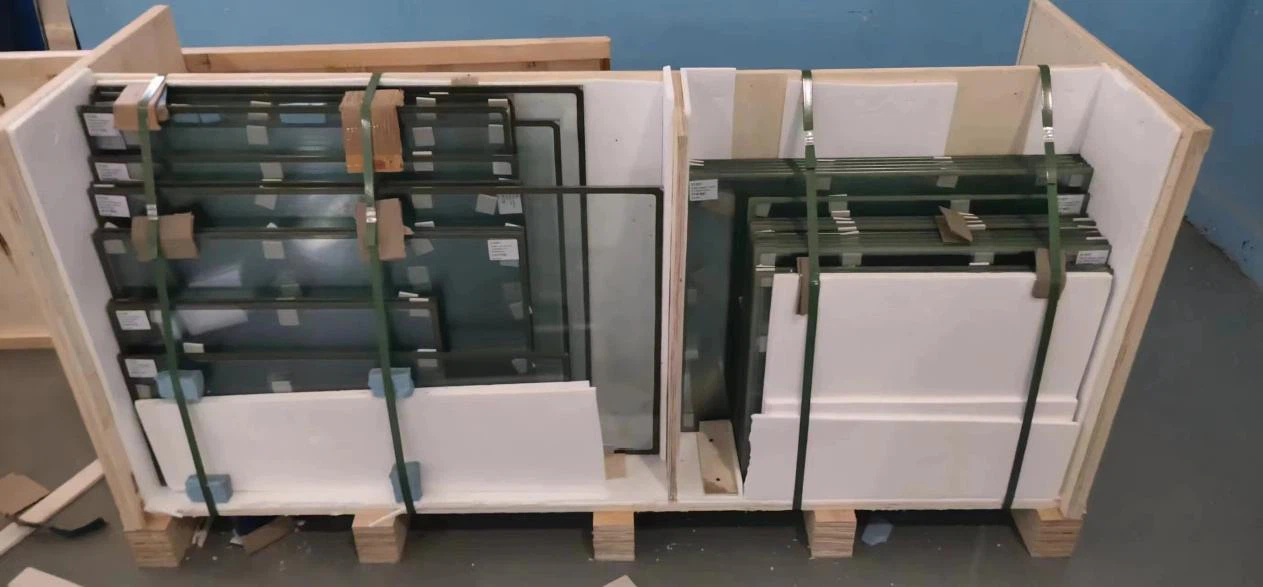
Hot Tags: single cavity vacuum glass, China single cavity vacuum glass manufacturers, suppliers, factory, Architectural Laminated Glass, Wired Patterned Glass, Printed Decorative Glass, Thermal Insulation Glass Panel, vacuum glass, Colored Laminated Glass

