Jinan Huanqiu Glass Technology Co., Ltd.

Tempered Glass

Why Choose Us
 

Company Strength
Jinan Huanqiu Glass Technology Co., Ltd. is a large-scale glass building materials enterprise specializing in the production and processing of various types of tempered glass, insulating glass, laminated glass, coated glass, architectural engineering glass, and high-end system door and window glass.


General Project
We Business scope includes general projects: glass manufacturing, hollow glass, laminated glass, special-shaped glass, metal door and window engineering construction: door and window sales: building materials sales; building decoration materials sales; hardware product wholesale; hardware product retail.


Professional services
Is Professional services in home decoration glass projects can ensure that all processes of architectural glass and interior decorative glass can be completed in this factory.


Our Factory
Jinan Huanqiu Glass Technology Co., Ltd. was established in December 2020. Its registered address is located in Area C, Workshop No. 1, in the yard of Shandong Chunqiu Biotechnology Co., Ltd., east of Zheng'an Road and south of Gongye North Road, Jibei Street, Jiyang District, Jinan City, Shandong Province.


What Is Tempered Glass?


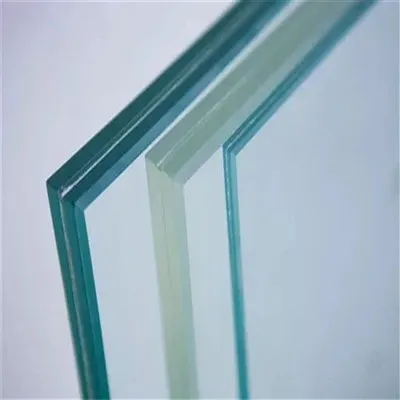
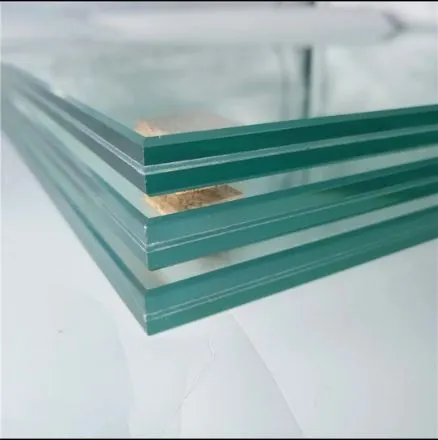
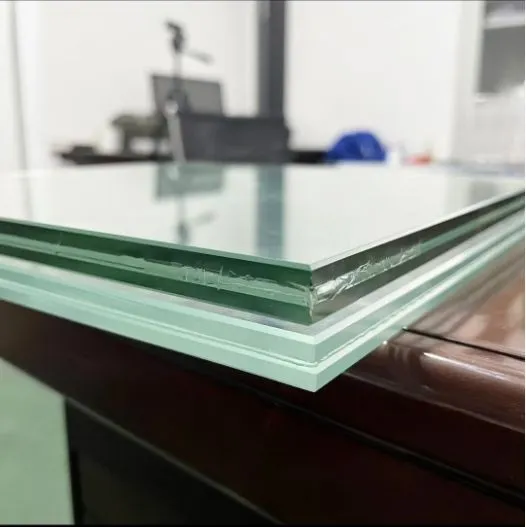
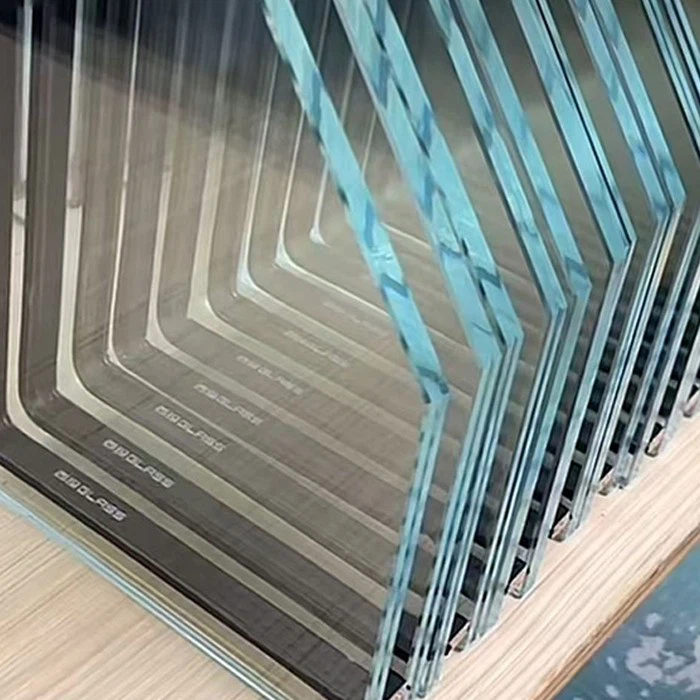
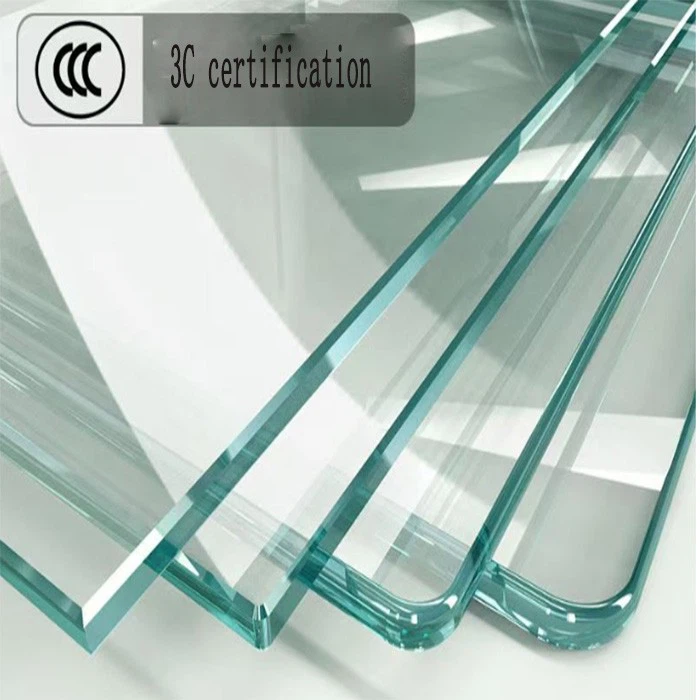
Tempered glass is a type of glass that is processed with thermal or chemical treatments, which increase its strength. The process of tempering leaves the outer surface of glass in a state of compression, and the interior in a state of tension. Due to these mechanical stresses, the tempered glass breaks into granular pieces instead of shards with sharp edges, reducing the chance of injury. Tempered glass is also known as toughened glass or safety glass.
 

Tempered Glass Properties & Benefits


Tempered glass offers numerous advantages compared to regular glass. The benefits of tempered glass include:

Increased safety. The primary advantage of tempered glass is that, in the event that it does shatter, the glass will break into small, dull pieces. This decreases the likelihood that someone will sustain injuries from broken glass shards.

Enhanced strength and durability. Tempered glass is significantly stronger than standard glass varieties, allowing it to hold up well against pressure and impact. It’s also resistant to everything from abrasion to chemical exposure.

Resistance to high-heat conditions. The heat resistance of tempered glass lends it to applications in high-heat industrial equipment like windows for a furnace.

Good clarity for optimal visibility. Regardless of application, tempered glass maintains its transparency, making it an ideal option for observation windows to monitor operations.

Application versatility. Between its strength and its resistance properties, tempered glass is ultimately a highly versatile material option for diverse applications.


The Manufacturing Process of Tempered Glass

Cutting and Edging: The glass sheets are first cut into the desired size and shape using particular glass tools. The edges are then smoothed and polished to remove any rough or sharp surfaces.


Annealing: After cutting and smoothing the sheets, the glass is heated in a special annealing oven to a temperature of around 650 degree celsius. This process will help relieve internal stresses that may have developed during the first step.


Tempering: The annealed glass is then transferred to a tempering furnace, where it is heated to a temperature of around 650 degree celsius. At this temperature, the glass becomes soft and pliable.


Quenching: The heated glass is then rapidly cooled or ‘quenched’ by lowing jets of air or immersing it in a molten salt bath. This rapid cooling process creates compressive stresses on the surface of the glass and tensile strength on the interior.

Cleaning & Packaging

The tempered glass is then cleaned and packaged for transportation and installation.

Inspection & Quality Control

After the quenching process, the tempered glass is inspected thoroughly for any defects, and damages on the glass surface. Moreover, other control measures are taken to ensure that the glass meets the required safety and strength standards.

Cutting & Edging (if required)

In some situations, the tempered glass may have to be additionally cut or edged to specific sizes after the tempering process. However, this can only be possible using special equipment and techniques, or else the glass can shatter.


Common Tempered Glass Uses
 

Windows and Doors

Due to its strength and safety features, tempered glass is commonly used in windows and doors. It is especially popular in patio doors, sliding doors, and storm doors, where the risk of breakage is higher.

3
4

Furniture

Many pieces of modern furniture, such as tabletops, shelves, and cabinets, use tempered glass. Its strength allows it to support heavy objects, and its aesthetic qualities make it a stylish addition to any home.

Shower Enclosures

Tempered glass is the material of choice for shower doors and enclosures because of its ability to withstand moisture and its safety features. The smooth, non-porous surface of tempered glass is also easy to clean and maintain.

Tempered Safety Glass
Laminated Safety Tempered Glass

Kitchen Applications

From oven doors to refrigerator shelves, tempered glass is prevalent in kitchen applications due to its thermal resistance and durability. It can handle high temperatures and sudden changes in temperature, making it ideal for use in and around kitchen appliances.

Automotive Industry

In vehicles, tempered glass is used for side and rear windows. Its ability to shatter into small, blunt pieces rather than sharp shards provides an added safety measure for passengers.

96c1a3a4e6d898033521579ca3c74b1
Fully Tempered Glass

Railings and Balustrades

Tempered glass is often used in railings and balustrades, particularly in modern architecture. Its strength and transparency provide safety without compromising the view or the open feel of a space.


Professional Installation Tips Of Tempered Glass
 
01/

Verify Required Glass Type
Before committing to a glass product for your project’s windows or glazing, it’s crucial to verify that it aligns with your specifications—whether it’s annealed, heat-strengthened, tempered, etc. Building requirements vary, so the right match guarantees optimal performance and safety. Take a moment to validate your choice, and you’ll be on the right track to meet the unique needs of your window or glazing application.

02/

Use Non-Serrated Glazing Blocks
Upgrade your framing experience by swapping those old hard rubber blocks with modern, non-serrated, ultra-soft alternatives. These gentle supports safeguard your glass surfaces, preventing potential damage when you set them into frames. It’s a simple yet effective way to ensure your framed items stay pristine and protected.

03/

Carefully Inspect Condition
Examine all tempered glass panels before installation. Look for edge damage, surface scratches, delamination, or visible defects. Avoid using any compromised sheets.

04/

Smooth Clean Cutting
Smooth, polished cut edges reduce stress accumulation zones. Manual scribing and breaking techniques should be used for something other than tempered glass. Clean mechanical cuts are a must.

05/

Never Grind Or Drill Post-Tempering
Any modification like grinding, drilling holes, edge shaping performed after tempering destroys the protective surface compression layer, causing instability and breakage.

06/

Handle With Care
Use clean gloves when handling tempered glass. Pointed impacts on surfaces or edges cause trigger instability. Store panels vertically in padded racks to prevent leaning point loads.


Maintenance And Cleaning Skills Of Tempered Glass
3
Fully Tempered Glass
Laminated Safety Tempered Glass
3

Wipe The Glass With Wet Towels Or Newspaper
For a long time, ensure to clean the glass only with a wet towel or newspaper. When you use a damp towel, it will clean almost every stain from the surface, and the newspaper will wipe off the water. Furthermore, if there is a stubborn stain on the glass, use beer or warm vinegar to remove it. That means dip a corner of the towel in any one of these and clean the surface of the glass.


Handle the tempered glass gently
If you want to prolong the life of your glass, avoid slamming it too hard when placing items on it. This step will prevent scratches on the glass, and on the other side, try to lay a tablecloth or table mat.


Use cling film
If your home's tempered glass is stained with grease, it becomes next to impossible to clean that stain and make the glass look new. In this case, a single piece of plastic wrap and a damp cloth can restore the glass to its original state. For that, spray any of the best cleaning agents on the glass, and just after that, stick a piece of plastic wrap, which will soften the stain. Wait for 10 minutes, then tear off that plastic wrap and wipe the glass with a damp cloth. The toughened glass will be restored to its original state.


Keep the glass clean to prevent mold
No matter where the toughened glass is installed in your home, ensure to clean regularly to prevent the growth of mold. However, if by chance the mold grows and is visible, your first step is to make the place fully ventilated and burn this mold with electric iron for 2-3 minutes.


Avoid toughened glass from sun and rain
If your home's toughened glass is exposed to the sun or rain for an extended period of time, the sealing edge is more likely to crack. This will cause the substrate to deform and expand, and eventually, the glass will break. So, for the best result, ensure to protect the glass from exposure to the sun and rain, and if a mistake happens, call a professional immediately for its repair.


Facts You Need To Know About Tempered Glass


Cannot Be Cut Once Tempered
Tempered glass goes through a special heat treatment process, heated to extremely high temperatures, up to 700°C, and then rapidly cooled. This creates solid glass by packing the surface with compressive stresses. However, it also makes the glass nearly impossible to cut or drill after tempering because it will shatter if you try to cut into the compressed surface. Any holes or edge cuts must be made before tempering.


Scratchproof
The tempering process makes tempered glass around 4-5 times stronger than regular annealed float glass. This vast increase in strength comes from the surface compression packed into the glass through rapid heating and cooling. The dense surface compression makes tempered glass durable and highly scratch-resistant for everyday use. Keys or other metals typically won’t scratch the surface.


Surface Strain Patterns
Tempered glass develops faintly visible strain patterns on the surface as the glass expands and contracts rapidly during the tempering process. If you observe the glass surface under the right lighting conditions, you may notice these strain patterns, which look like distorted reflections. They are a natural result of the treatment and help identify the tempered glass.


Compressive Surface Stress
The core of tempered glass remains in tension, while the surface is packed with compressive stress after tempering. This compression gives the glass incredible strength to endure blows or blunt impacts. When struck, the compressed surface wants to spring back rather than chip or crack immediately like annealed glass. This makes it safer.


Heat And Thermal Stress Resistance
Because tempered glass is designed to withstand the intense thermal stresses of rapid heating and cooling during the tempering process, it handles thermal stress much better than regular glass. Sudden temperature changes do not crack or break tempered glass easily. This makes it suitable for applications like oven doors.


Long Lasting
The special tempering process creates glass 4-5 times stronger than annealed glass. When it eventually breaks, it shatters into small, relatively harmless diced pieces rather than dangerous jagged shards. This makes tempered glass last through decades of heavy use and abuse before needing replacement.


Easy To Clean
The durable, scratch-resistant surface of tempered glass allows it to be frequently cleaned without worry of damage. You can use regular household glass cleaners and cleaning tools without fear of scratching or disrupting the surface compression. It simplifies maintenance.


Our Factory


The company has a large production base covering an area of about 8,000 square meters. It currently has 50 employees and has complete and advanced glass deep processing production equipment, cutting and grinding steel intelligent connection system, 2 fully automatic glass cutting machines, 2 glass double-sided edge grinding machines, 1 SC-E-SS-2850 horizontal through-type double-chamber double-wind grid forced convection tempered electric furnace; one laminated production line; 2 imported hollow production lines; EVA laminated furnaces and other pre-treatment straight edge machines, special-shaped edge grinding machines, fully automatic cleaning machines and other supporting production equipment, annual production and processing of glass products of about 1 million square meters.


null


FAQ


Q: How is tempered glass made?

A: Tempered glass is made by heating annealed glass to a high temperature (650 degree celsius) and then rapidly cooling it with forced air jets or in a molten salt bath.

Q: What are the main uses of tempered glass?

A: The main uses of tempered glass include car windshields, glass windows, and oven doors.

Q: Why is tempered glass considered safer than regular glass?

A: Tempered glass is safer because it breaks into small, relatively harless pieces that reduces the risk of injury from sharp shards.

Q: What is the purpose of tempered glass?

A: Tempered glass is considered a safety glass product as it will break into smaller pieces reducing the risk of serious injury. So if you are designing an area, especially a public environment where glass could break around people, tempered glass is usually the way to go.

Q: What's the difference between tempered glass and regular glass?

A: Tempered Glass is about four times stronger than regular class and is known for its safety. And, unlike regular glass, tempered glass fractures into small, relatively harmless pieces. This is possible because during the annealing process the glass is cooled down slowly, which makes the glass much stronger.

Q: Can tempered glass be cut?

A: While you can't cut tempered glass at home, you can still modify it to suit your needs. Some alternatives include ordering the glass in the desired size and shape from a professional glass cutter.

Q: How can you tell if glass is tempered or not?

A: Check for a tempered glass stamp in one of the corners: Most manufacturers mark tempered glass to identify it. Test the glass surface with polarised lenses: Tempered glass will show a distinctive strain pattern in polarised light. Regular glass will not.

Q: Why is it called tempered glass?

A: Tempered or toughened glass is a type of safety glass processed by controlled thermal or chemical treatments to increase its strength compared with normal glass. Tempering puts the outer surfaces into compression and the interior into tension.

Q: What Colour is tempered glass?

A: Clear tempered glass is also referred to as “ clear toughened glass” or “clear tempered safety glass”. It is transparent safety glass.

Q: How long should tempered glass last?

A: The lifespan of a tempered glass screen protector can vary depending on the quality of the product and how often you use your device. However, a good suggestion is to replace your tempered glass screen protector every 3-6 months or as soon as it starts to show signs of wear.

Q: What are the types of tempered glass?

A: Types of tempered glass
Clear tempered glass.
Frosted tempered glass.
Tinted tempered glass.
Laminated tempered glass.
Reflective tempered glass.

Q: Is tempered glass clear or tinted?

A: Different Tempered Safety Glass Tints
Our tempered glass is available as a clear sheet, or with a bronze or grey tint. Most glass is transparent, especially if it is thin. The thicker it is, the more of a green tinge it will take on. However, tempered glass is a heat absorbing glass, and this is different altogether.

Q: Why is tempered glass so expensive?

A: This is because manufacturing larger pieces of tempered glass requires a higher level of precision, which increases production costs. Thicker glass requires more raw materials to produce, which contributes to its higher price.

Q: Is it okay to reuse tempered glass?

A: While some people have found ways to do this somehow successfully, it is generally not advised to reuse a tempered glass screen protector. Once removed from the original device, the glue left on the protector attracts dust.

Q: Why do people use tempered glass?

A: Tempered glass is preferred in areas where strength, safety, and thermal resistant properties are needed. Tempering glass will increase strength, thermal shock resistance, and safety of the glass itself. Tempered glass also has an increased ability to withstand heat over annealed glass.

Q: When should I use tempered glass?

A: The greater risk of slip and fall injuries in wet areas means that bathrooms, saunas, and hot tubs are places where is tempered window (glass) necessary. You must temper all glass if its bottom edge is less than five feet above a walking or standing surface such as a shower floor.

As one of the leading tempered glass manufacturers and suppliers in China, we warmly welcome you to buy high-grade tempered glass for sale here from our factory. All glass products are with high quality and competitive price.

Transparent Tempered Safety Glass, Transparent PVB Laminated Glass for Building, Fully Tempered Float Glass
goTop

(0/10)

clearall