Jinan Huanqiu Glass Technology Co., Ltd.

Float Glass

Why Choose Us
 

Company Strength
Jinan Huanqiu Glass Technology Co., Ltd. is a large-scale glass building materials enterprise specializing in the production and processing of various types of tempered glass, insulating glass, laminated glass, coated glass, architectural engineering glass, and high-end system door and window glass.


General Project
We Business scope includes general projects: glass manufacturing, hollow glass, laminated glass, special-shaped glass, metal door and window engineering construction: door and window sales: building materials sales; building decoration materials sales; hardware product wholesale; hardware product retail.


Professional services
Is Professional services in home decoration glass projects can ensure that all processes of architectural glass and interior decorative glass can be completed in this factory.


Our Factory
Jinan Huanqiu Glass Technology Co., Ltd. was established in December 2020. Its registered address is located in Area C, Workshop No. 1, in the yard of Shandong Chunqiu Biotechnology Co., Ltd., east of Zheng'an Road and south of Gongye North Road, Jibei Street, Jiyang District, Jinan City, Shandong Province.


What Is Float Glass?


Float glass is a sheet of glass made by floating molten glass on a bed of molten metal of a low melting point, typically tin, although lead was used for the process in the past. This method gives the sheet uniform thickness and a very flat surface.


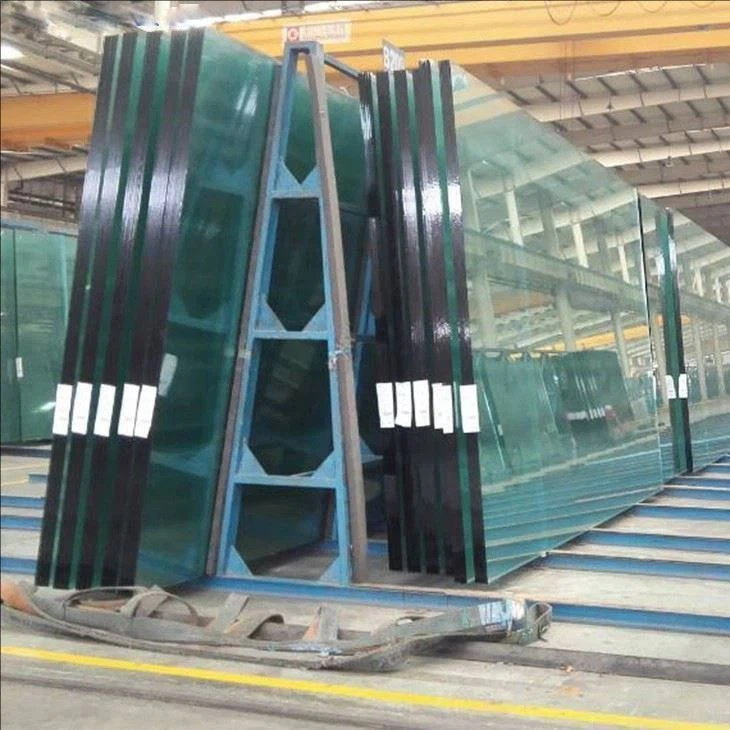
  • 19MM Float Glass

    19MM Float Glass

    15mm, 19mm float glass is also called ultra-thick glass, which is widely used in glass deep

    Add to Inquiry
  • Clear Float Glass

    Clear Float Glass

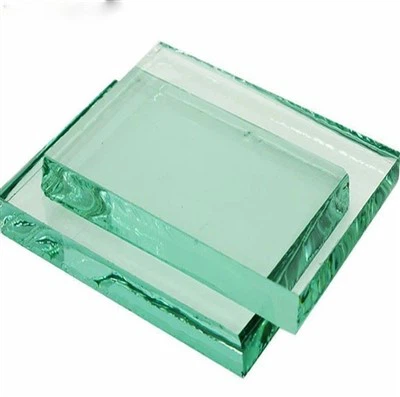
    Transparent float glass is made of high-quality sand, natural minerals and chemical materials,

    Add to Inquiry
  • Colored Float Glass

    Colored Float Glass

    Colored float glass is produced by adding metal oxides during the float glass production process.

    Add to Inquiry
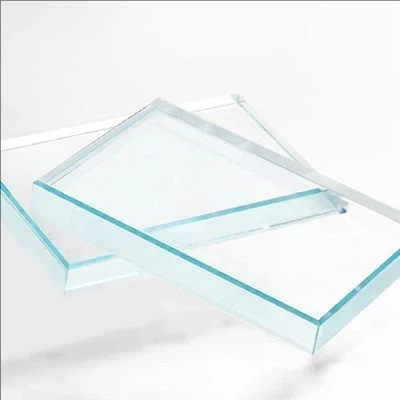
  • Ultra-clear Float Glass

    Ultra-clear Float Glass

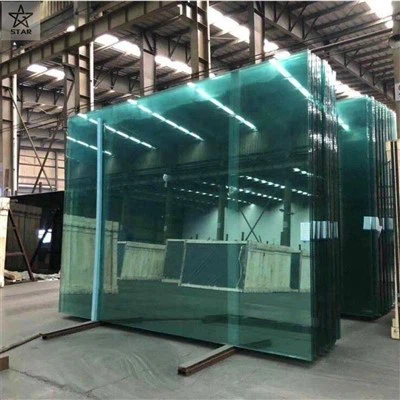
    Ultra-clear float glass is widely used in solar panels, construction and decoration, aquariums,

    Add to Inquiry
Applications of Float Glass


Building industry
Float glass is used for smaller windows in domestic housing, whereas larger windows are made from toughened glasses. Glass is used for windows for both aesthetic and functional purposes, allowing the occupants to see out and at the same time allowing light in.


Commercial Glazing
Float glass is becoming more and more popular in commercial applications. It allows structures to be constructed and gives the impression of being outside with the benefits of being inside protected from the elements (except the sun).

Glass is also playing an increasing role in buildings where it provides an attractive and easy to maintain exterior surface. It should be noted that most glass used for this application is subject to a post heat treatment toughening process before use.

In this application, several design factors are involved apart from aesthetics. Factors such as light and heat transmittance can play a big role in glass selection as they will influence the amount of heating and cooling that will be required inside a building according to the differences in seasons and climates. Having better control over heating and cooling in a building can have significant effects on the environmental and financial impact running a building can have.


Displays
Based on its transparency, hardness and ease of cleaning, glass is often used for display cases in retail outlets and countertops. However, many of these applications are being superseded by toughened glass due to its superior strength.


Production Process Of Float Glass

Raw materials: The first step in producing float glass is gathering the materials needed to make the glass. These typically include silica sand, soda ash, limestone, and other chemicals.

Batch mixing: The raw materials are then mixed in a specific ratio to create what is known as the “batch.” This mixture is then placed in a furnace and melted into molten liquid.

Melting: The furnace for melting the batch is typically operated at a temperature of around 1600 °C. Once the batch has melted down, it is held at this temperature to allow any bubbles or impurities to rise to the surface.

Refining: The molten glass is then refined through a process where any remaining bubbles or impurities are removed. This process typically involves passing the glass through a series of filters.

Forming: Once the glass has been refined, it is ready to be formed. The molten glass is poured onto the surface of the molten tin in a continuous ribbon. As the glass flows across the surface of the tin, it gradually cools and solidifies.

Annealing

Once the glass has solidified, it is gradually cooled to room temperature. This process, known as annealing, helps to relieve any internal stresses in the glass that could cause it to break.

Cutting

Once the glass has been annealed, it is cut into the desired size and shape using a diamond-tipped cutting tool.

Inspection

Finally, the finished glass is inspected for defects or imperfections before being packaged and shipped to customers.


History Of Float Glass
 

Float glass is the original piece of glass, the progenitor of an endless generation of glass solutions. And so, before we learn about how it is made, it is vital to know the real history behind it. With its invention dating back to at least 3600 years, glass has been a timeless material that has served many generations. But it wasn’t until the late 19th century that float glass came into existence. In earlier centuries, glass was made through the blowing and disc method. Since glass was simply used for creating windows in the old days, glass for window or other flat glass was produced from large discs of crown glass or by blowing glass bottles. The discs were usually cut into pieces, flattened together, and cut out to create the windowpanes from the large surface.


But somewhere between 1953 and 1957, Sir Alastair Pilkington revealed the idea of manufacturing float glass to the world. Although Henry Bessemer – a UK engineer, patented the earliest advances in automated glass manufacturing, it was Sir Pilkington who perfected the production of float glass. While the original process of producing float glass by Bessemer used a continuous ribbon of flat glass by forming the ribbon between rollers, the Pilkington method developed the ribbon of float glass using a molten tin in which molten glass would flow unhindered under the influence of gravity. Bessemer’s version was an expensive process, but with the efficiency of the Pilkington method, Sir Alastair was able to achieve profitable full-scale sales of float glass by 1960.


Benefits Of Installing Float Glass
image_convert_15-19mm-float-glass40354173951(001)
Ultra-clear Float Glass
(2)
(1)(001)

Now that we’ve seen the extraordinary process of manufacturing float glass, let’s take a look at some of the many benefits that float glass has to offer.


Durability
As we saw earlier, float glass is treated and cured in an oven to gain strength and durability. Despite it being more substantial than plate glass, it has the same amount of thickness, thereby revealing its incredible density and making it the superior glass for designing your space’s interior and exteriors.


Environment-Friendly
Energy-efficiency refers to the ability of glass to regulate indoor temperature by keeping interiors relatively cool during summers and warm during winters. You can also design a low-E glass from float glass by coating it with metal oxides. At AIS Glass, we possess high-performance, energy-efficient glass to reduce energy bills for your home and offices and conserve the environment. Our AIS Clear Float

Glass is also 100% recyclable and non-toxic to ensure that you do not leave behind a carbon footprint. It is also designed to be copper and lead-free for environmental preservation.


Multitude Of Options
As the originator of all glass products, float glass can be diversified to create a wide variety of glass products. It can be designed with varying thicknesses, shades, and sizes to suit a myriad of architectural and consumer requirements. Several processing techniques, such as insulating, glazing, laminating, thermal toughening, silk-screen printing, sandblasting, bending, acid-etching, and many more, can easily be carried out on the AIS Clear Float Glass to achieve the desired look.


Applications Of Float Glass
From domestic housing to commercial uses, float glass is a versatile item that serves many purposes. Now that we know about the many benefits of installing float glass, let’s take a look at some of the creative ways you can use float glass in your residential and commercial spaces.


Displays
Owing to its crystal-clear transparency, float glass serves as the ideal choice for displaying items. They can be used for showroom display cases, retail shop windows, and countertops to protect valuable items such as expensive watches, jewellery, and so on, yet be able to showcase the beauty of the unique products effortlessly. The AIS Clear Float Glass offers a sparkling and brilliant lustre with a crystal-clear finish to enhance the aesthetic appeal of your spaces with its luminosity.


Facades
There is nothing more affluent and sophisticated than the sight of towering and glistening skyscrapers made from glass and what better choice than float glass processed with glazing to create the perfect structure, which is just as aesthetic as it is functional? The glazing makes the glass tougher and increases its efficiency, whereas the float glass itself serves unparalleled charm and aesthetics with its superior clarity.


The Step-by-step Manufacturing of Float Glass


Stage 1: Melting and refining
 

Fine-grained ingredients, closely controlled for quality, are mixed to make batch, which flows as a blanket on to molten glass at 1,500°C in the melter.

Float makes glass of near optical quality. Several processes – melting, refining, homogenising – take place simultaneously in the 2,000 tonnes of molten glass in the furnace. They occur in separate zones in a complex glass flow driven by high temperatures. It adds up to a continuous melting process, lasting as long as 50 hours, that delivers glass at 1,100°C, free from inclusions and bubbles, smoothly and continuously to the float bath. The melting process is key to glass quality; and compositions can be modified to change the properties of the finished product.

19MM Float Glass

Stage 2: Float bath


(3)

Glass from the melter flows gently over a refractory spout on to the mirror-like surface of molten tin, starting at 1,100°C and leaving the float bath as a solid ribbon at 600°C.

The principle of float glass is unchanged from the 1950s. But the product has changed dramatically: from a single equilibrium thickness of 6.8 mm to a range from sub-millimetre to 25 mm; from a ribbon frequently marred by inclusions, bubbles and striations to almost optical perfection. Float delivers what is known as fire finish, the lustre of new chinaware.


Stage 3: Coating
 

Coatings that make profound changes in optical properties can be applied by advanced high temperature technology to the cooling ribbon of glass.

On-line chemical vapour deposition (CVD) of coatings is the most significant advance in the float process since it was invented. CVD can be used to lay down a variety of coatings, less than a micron thick, to reflect visible and infrared wavelengths, for instance. Multiple coatings can be deposited in the few seconds available as the glass ribbon flows beneath the coaters. Further development of the CVD process may well replace changes in composition as the principal way of varying the optical properties of float glass.

(2)

Stage 4: Annealing


Colored Float Glass

Despite the tranquillity with which float glass is formed, considerable stresses are developed in the ribbon as it cools.

Too much stress and the glass will break beneath the cutter. To relieve these stresses, the ribbon undergoes heat-treatment in a long furnace known as a lehr. Temperatures are closely controlled both along and across the ribbon. Pilkington has developed technology which automatically feeds back stress levels in the glass to control the temperatures in the lehr.


Stage 5: Inspection
 

The float process is renowned for making perfectly flat, flaw-free glass. But to ensure the highest quality, inspection takes place at every stage.

Occasionally a bubble is not removed during refining, a sand grain refuses to melt, a tremor in the tin puts ripples into the glass ribbon. Automated on-line inspection does two things. It reveals process faults upstream that can be corrected. And it enables computers downstream to steer cutters round flaws. Flaws imply wastage; while customers press constantly for greater perfection. Inspection technology now allows more than 100 million measurements a second to be made across the ribbon, locating flaws the unaided eye would be unable to see. The data drives ‘intelligent’ cutters, further improving product quality to the customer.

(3)

Stage 6: Cutting to order


(1)(001)

Diamond wheels trim off selvedge - stressed edges - and cut the ribbon to size dictated by computer.


Float glass is sold by the square metre. Computers translate customers’ requirements into patterns of cuts designed to minimise wastage. Increasingly, electronic systems integrate the operation of manufacturing plants with the order book.


Our Factory


The company has a large production base covering an area of about 8,000 square meters. It currently has 50 employees and has complete and advanced glass deep processing production equipment, cutting and grinding steel intelligent connection system, 2 fully automatic glass cutting machines, 2 glass double-sided edge grinding machines, 1 SC-E-SS-2850 horizontal through-type double-chamber double-wind grid forced convection tempered electric furnace; one laminated production line; 2 imported hollow production lines; EVA laminated furnaces and other pre-treatment straight edge machines, special-shaped edge grinding machines, fully automatic cleaning machines and other supporting production equipment, annual production and processing of glass products of about 1 million square meters.


null


FAQ


Q: What is a float glass used for?

A: In many cases, float glasses are not processed as single panes: Multiple glazing made from several float glass panes is mostly used for windows, doors and facades. Through special treatment, the flat glass can also be processed into safety, laminated and insulating glass (see the item "Float glass as safety glass").

Q: What is the difference between float glass and normal glass?

A: There are some differences between float glass and ordinary glass. Production process of float glass and ordinary glass is different, the float glass color viewed from side is different from general glass, the objects is no distortion by float glass reflection, the general has waterlines type of deformation.

Q: Where to use float glass?

A: Uses
Automobile glass (e.g. windshields, windows, mirrors)
Mirrors.
Furniture (e.g. in tables and shelves)
Insulated glass.
Windows and doors.

Q: How to identify float glass?

A: The water droplet method.
After you clean the glass thoroughly, place a single drop of water gently onto the glass from about 1 to 1.5 inches away on both sides of the glass. (Don't touch the glass when you drop the water.) Then compare the results. If the water drop spreads out, it's the non-tin side.

Q: What are the pros of float glass?

A: Float glass has high light transmittance, providing clear and undistorted views. Due to its crystal-like clarity, float glass has the incomparable benefit of connecting you with the surrounding nature, while protecting us from the elements.

Q: Is float glass still used?

A: Generally used in building, vehicles, home appliance and goods for decoration, the float glass are currently considered dominants in the glass industry all over the world.

Q: Why is it called float glass?

A: Float glass owes its unique name to the process by which it is manufactured, wherein the molten glass is introduced into a bath of molten tin, causing the glass to float freely.

Q: How to clean float glass?

A: Cleaning
Remove any obvious debris with a razor scraper.
If you suspect silicone contamination, wipe with lacquer thinners (auto paint solvent)
Clean with whiting or Bon Ami on a damp cloth or sponge. ...
Rinse off and do it again with fresh water and whiting.

Q: How durable is float glass?

A: Float glass is known for its high strength and durability. It is resistant to thermal shock and can withstand rapid changes in temperature without cracking. It is also resistant to scratches, abrasion, and impact.

Q: How do you identify glass floats?

A: This float was produced as a contemporary fishing float to celebrate the company's glass art. Identification marks can be found on different parts of the glass float. Most often they are found on the seal button itself.

Q: What are the two types of float glass?

A: There are two types of glass made by the float process, clear glass and tinted glass. Most of the flat glass made by the float process is clear glass.

Q: Is float glass a safety glass?

A: Float glass in its basic, untreated form is not considered a safety glass and typically isn't used in applications where human impact might cause injury. However, it is often the starting point for manufacturing other types of safety glass.

Q: How smooth is float glass?

A: Unlike traditional plate glass, which could have imperfections and uneven surfaces, the float glass production method eliminates these inconsistencies. The resulting glass boasts a smooth, virtually distortion-free surface, allowing for unobstructed views and the transmission of abundant natural light.

Q: Is float glass heat resistant?

A: Resistance to temperature changes: It is around 40 Kelvin (with simple glass without safety treatment), which means that float glass can withstand rapid temperature changes in the range of up to 40 Kelvin.

As one of the leading float glass manufacturers and suppliers in China, we warmly welcome you to buy high-grade float glass for sale here from our factory. All glass products are with high quality and competitive price.

19MM Float Glass, float glass, Clear Float Glass
goTop

(0/10)

clearall