

Hey there! As a vacuum glass supplier, I've been keeping a close eye on the industry, and let me tell you, the future of vacuum glass technology is looking super exciting. In this blog, I'm gonna share with you some of the trends that I think are gonna shape the vacuum glass market in the coming years.
Energy Efficiency Takes Center Stage
One of the biggest drivers behind the growth of vacuum glass is its outstanding energy - efficiency. With the world becoming more and more conscious about energy conservation and reducing carbon footprints, buildings are under pressure to be more energy - efficient. Vacuum glass is a game - changer in this regard.
Vacuum glass has an extremely low U - value, which means it can significantly reduce heat transfer between the inside and outside of a building. This translates into less energy needed for heating in winter and cooling in summer. In fact, compared to traditional double - glazed windows, vacuum glass can cut down energy consumption by up to 50% or even more in some cases.
As energy costs continue to rise and governments around the world introduce stricter energy codes for buildings, the demand for energy - efficient vacuum glass is only going to increase. Architects and building owners are increasingly looking for solutions that can help them meet these regulations while also providing a comfortable indoor environment. For us as a vacuum glass supplier, this is a huge opportunity. We're constantly working on improving the energy - efficiency of our products, whether it's through better insulation materials or more advanced manufacturing processes.
Integration with Smart Building Systems
The era of smart buildings is here, and vacuum glass is starting to play a role in this new landscape. Smart buildings use sensors, automation, and data analytics to optimize energy use, improve comfort, and enhance security. Vacuum glass can be integrated into these systems in several ways.
For example, smart vacuum glass can be equipped with sensors that monitor temperature, humidity, and sunlight levels. Based on this data, the glass can adjust its properties, such as tinting to reduce solar heat gain during hot days or allowing more sunlight in during cold days. This not only improves energy efficiency but also enhances the overall comfort of the building occupants.
Another aspect is the integration with building management systems. The data collected from the vacuum glass sensors can be fed into the central building management system, which can then make real - time decisions about heating, cooling, and lighting. This level of integration is still in its early stages, but I believe it's going to be a major trend in the future. As a vacuum glass supplier, we're exploring partnerships with smart building technology companies to develop these integrated solutions.
Customization and Design Flexibility
In the past, vacuum glass was mainly seen as a functional product. But now, there's a growing demand for customization and design flexibility. Architects and designers are looking for ways to incorporate vacuum glass into their building designs in a more creative and aesthetically pleasing way.
We're seeing a trend towards larger and more uniquely shaped vacuum glass panels. Instead of the standard rectangular windows, buildings are now featuring curved, triangular, or even irregularly shaped glass elements. This requires advanced manufacturing techniques to ensure the structural integrity of the glass while still maintaining its insulation properties.
In addition to shape, there's also a demand for different colors and finishes. Vacuum glass can now be produced in a wide range of colors, from clear to tinted and even mirrored finishes. This allows architects to create buildings that not only perform well but also have a distinct visual identity. As a supplier, we're investing in research and development to expand our product range and offer more customization options to our customers.
Advancements in Manufacturing Technology
The manufacturing process of vacuum glass has come a long way, and there are still plenty of opportunities for further advancements. One of the key areas of focus is improving the production efficiency and reducing costs.
New manufacturing technologies are being developed to make the production of vacuum glass faster and more precise. For example, automated production lines can reduce human error and increase the consistency of the product quality. Additionally, there are ongoing efforts to develop new sealing techniques that can improve the vacuum integrity of the glass, which is crucial for its long - term performance.
Another aspect is the use of new materials. Researchers are exploring the use of lighter and stronger materials for the glass substrates and the support pillars inside the vacuum cavity. These new materials can not only improve the performance of the vacuum glass but also reduce its weight, which is beneficial for transportation and installation.
As a vacuum glass supplier, we're constantly upgrading our manufacturing facilities and adopting the latest technologies. This allows us to offer high - quality products at competitive prices, which is essential in a growing market.
Expansion into New Markets
So far, the main market for vacuum glass has been in the construction industry, particularly for residential and commercial buildings. However, there are several other markets where vacuum glass has the potential to make an impact.
One such market is the automotive industry. With the increasing demand for electric vehicles, reducing energy consumption is a top priority. Vacuum glass can be used in car windows to improve insulation, which can help to reduce the load on the vehicle's heating and cooling systems, thus extending the battery range.
Another emerging market is the aerospace industry. Vacuum glass can be used in aircraft windows to provide better insulation and noise reduction, enhancing the comfort of passengers. The high - performance requirements of these industries mean that there's a need for specialized vacuum glass products, and we as a supplier are looking into developing products that can meet these specific needs.
Product Innovation: New Types of Vacuum Glass
We're also seeing the development of new types of vacuum glass that offer different features and benefits. For instance, Single Cavity Vacuum Glass is a popular choice for applications where space is limited. It provides good insulation in a relatively thin profile, making it suitable for retrofit projects or buildings with strict space constraints.
Vacuum Composite Insulating Glass combines the benefits of vacuum insulation with other insulating materials, offering even higher levels of insulation. This type of glass is ideal for high - performance buildings in extreme climates.
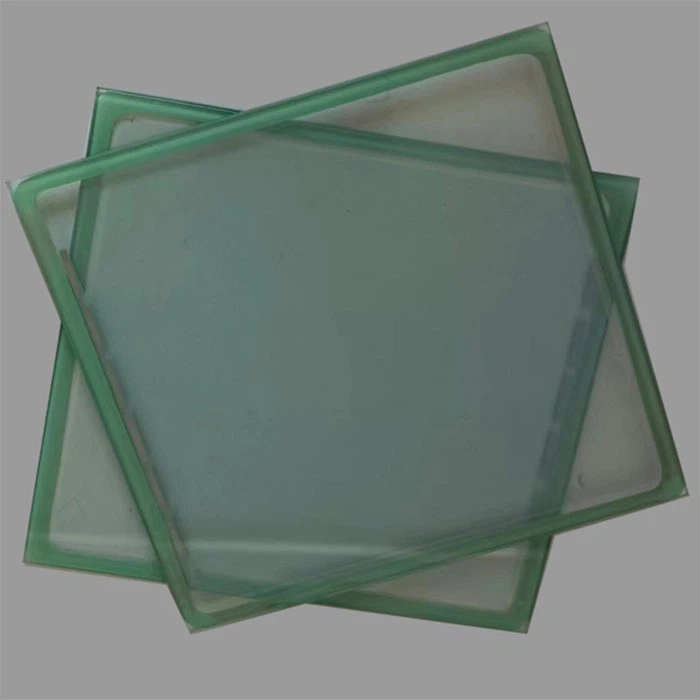
And then there's Vacuum Composite Hollow PVB Glass, which not only provides excellent insulation but also has enhanced safety features due to the use of PVB (polyvinyl butyral) interlayers. This makes it a great choice for buildings where safety is a major concern, such as schools and hospitals.

Conclusion
The future of vacuum glass technology is full of promise. With trends like energy efficiency, smart building integration, customization, manufacturing advancements, and expansion into new markets, the demand for vacuum glass is set to grow in the coming years. As a vacuum glass supplier, we're excited to be at the forefront of these developments.
If you're an architect, building owner, or anyone interested in vacuum glass, we'd love to hear from you. Whether you're looking for energy - efficient solutions for your next building project or want to explore the latest trends in vacuum glass technology, we're here to help. Contact us to discuss your requirements and let's work together to create a more sustainable and comfortable future with vacuum glass.
References
- [List any industry reports, research papers, or other relevant sources you used to gather information for this blog here. For example: "Energy Efficiency Trends in the Building Industry, 2023 Report" by XYZ Research Firm.]
