

Hey there! As a supplier of louvre glass, I've often been asked if louvre glass can be used in airports. Well, let's dig into this topic and find out if it's a good fit for these bustling transportation hubs.
First off, let's talk about what louvre glass is. Louvre glass, also known as Transparent Louver Glass, Shutter Glass, or Built-in Blinds Insulating Glass, is a unique type of glass that has adjustable louvers inside the glass unit. These louvers can be tilted to control the amount of light, heat, and privacy. It's a popular choice for both residential and commercial buildings because of its functionality and aesthetic appeal.
Now, let's consider the requirements of airports. Airports are large, high-traffic areas that need to balance functionality, safety, and aesthetics. They require materials that can withstand heavy use, provide good insulation, and enhance the overall look of the space. So, does louvre glass meet these criteria?
Functionality
One of the main advantages of louvre glass in airports is its ability to control light and heat. Airports have large windows and glass facades that can let in a lot of sunlight, which can lead to overheating and glare. With louvre glass, the louvers can be adjusted to block out the sun's rays during the hottest parts of the day, reducing the need for air conditioning and saving energy. This is not only cost-effective but also environmentally friendly.
In addition, louvre glass can provide privacy when needed. In areas such as airport lounges or offices, the louvers can be closed to create a more private space. This is especially useful for VIP lounges or areas where confidentiality is important.
Another aspect of functionality is visibility. In airports, it's important for passengers to be able to see clearly through the glass to navigate the space and find their way around. Louvre glass can be designed with different louver angles and transparency levels to provide optimal visibility while still maintaining the ability to control light and privacy.
Safety
Safety is a top priority in airports. Louvre glass is typically made of tempered glass, which is stronger and more resistant to breakage than regular glass. In the event of an impact, tempered glass will break into small, rounded pieces instead of sharp shards, reducing the risk of injury.
In addition, louvre glass can be designed to meet fire safety requirements. Some louvre glass systems are fire-rated, which means they can prevent the spread of fire and smoke for a certain period of time. This is crucial in airports, where fire safety is of utmost importance.
Aesthetics
Airports are often designed to be modern and stylish, and louvre glass can enhance the aesthetic appeal of the space. The adjustable louvers create a dynamic and interesting visual effect, adding a touch of sophistication to the airport's architecture. Louvre glass can also be customized with different colors and finishes to match the overall design scheme of the airport.
Durability
Airports are high-traffic areas that experience a lot of wear and tear. Louvre glass is a durable material that can withstand heavy use. The louvers are typically made of aluminum or other strong materials that are resistant to corrosion and damage. In addition, the glass is protected by the outer glass panes, which helps to prevent scratches and other damage.
Installation and Maintenance
Installing louvre glass in airports requires careful planning and expertise. It's important to work with a professional installer who has experience with this type of glass. The installation process can be more complex than regular glass, but the benefits are well worth it.
Maintenance of louvre glass is relatively easy. The louvers can be cleaned with a mild detergent and water, and the glass can be wiped down with a glass cleaner. It's important to follow the manufacturer's instructions for maintenance to ensure the longevity of the glass.
Cost
The cost of louvre glass in airports will depend on several factors, including the size of the project, the type of louvre glass used, and the installation costs. While louvre glass may be more expensive than regular glass, the long-term savings in energy costs and the benefits in terms of functionality and aesthetics can outweigh the initial investment.
Potential Challenges
While there are many benefits to using louvre glass in airports, there are also some potential challenges to consider. One challenge is the complexity of the louver system. The louvers need to be properly maintained and adjusted to ensure they function correctly. If the louvers become stuck or damaged, it can affect the performance of the glass.

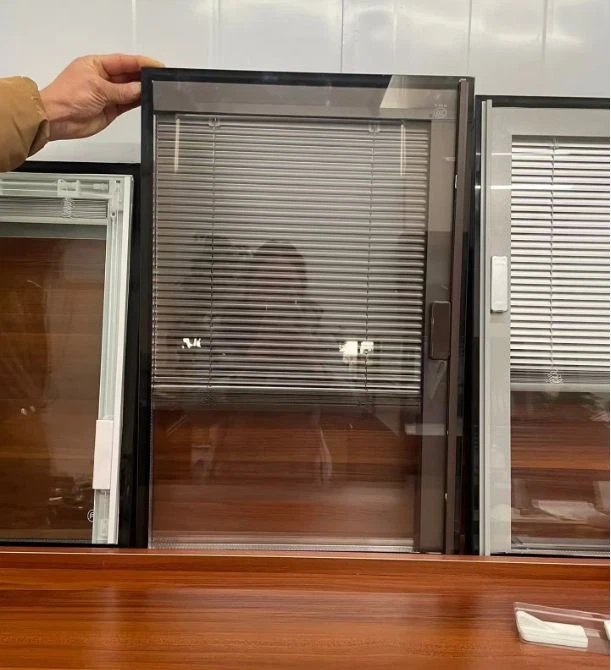
Another challenge is the cost of installation. As mentioned earlier, installing louvre glass requires specialized skills and equipment, which can add to the overall cost of the project. However, this cost can be offset by the long-term savings in energy and maintenance.
Conclusion
So, can louvre glass be used in airports? The answer is yes! Louvre glass offers a number of benefits in terms of functionality, safety, aesthetics, and durability. It can help airports save energy, enhance the overall look of the space, and meet the high standards of safety and functionality required in these high-traffic areas.
If you're an airport designer, architect, or facility manager, I encourage you to consider louvre glass for your next project. As a supplier of louvre glass, I can provide you with high-quality products and expert advice to help you choose the right solution for your needs. Whether you're looking for a way to control light and heat, enhance privacy, or add a touch of style to your airport, louvre glass is a great option.
If you're interested in learning more about our louvre glass products or discussing a potential project, please don't hesitate to reach out. We'd be happy to help you find the perfect solution for your airport.
References
- "Glass in Architecture: A Guide to Specification" by Chris Banfill
- "Fire Safety in Buildings" by the National Fire Protection Association
- "Energy-Efficient Building Design" by the U.S. Department of Energy
