

Hey there! As a supplier of vacuum glass, I often get asked how our product can significantly reduce heat loss during the cold winter months. Well, let's dive right into it and break down the science behind this amazing feature.
First off, let's understand what vacuum glass is. Vacuum glass consists of two or more glass panes separated by a tiny gap that's been evacuated to create a vacuum. This vacuum layer is the key to its excellent thermal insulation properties. You see, heat can transfer in three ways: conduction, convection, and radiation. And vacuum glass is designed to tackle each of these transfer methods head - on.
Let's start with conduction. Conduction is the transfer of heat through a material or between materials in direct contact. In regular glass, heat can easily move through the glass itself and through any gas molecules trapped between the panes if it's a double - glazed window. But in vacuum glass, the vacuum layer acts as a near - perfect barrier to conduction. Since there are almost no gas molecules in the vacuum, there's very little matter for heat to transfer through. It's like putting up a wall that heat just can't easily break through.
Now, convection. Convection is the transfer of heat by the movement of fluids (liquids or gases). In a normal double - glazed window with a gas - filled gap, warm air can rise and cool air can sink within that gap, creating a convection current that transfers heat from the warm side to the cold side. But in vacuum glass, because there's a vacuum, there are no gas molecules to form these convection currents. So, the heat transfer by convection is effectively eliminated.
Radiation is the third way heat can transfer. It's the transfer of heat in the form of electromagnetic waves. Vacuum glass has a special coating on one or more of the glass panes. This coating is designed to reflect infrared radiation, which is the type of radiation that carries most of the heat energy. When the heat tries to radiate through the glass, the coating bounces it back towards the warm side of the window, keeping the heat inside the building.
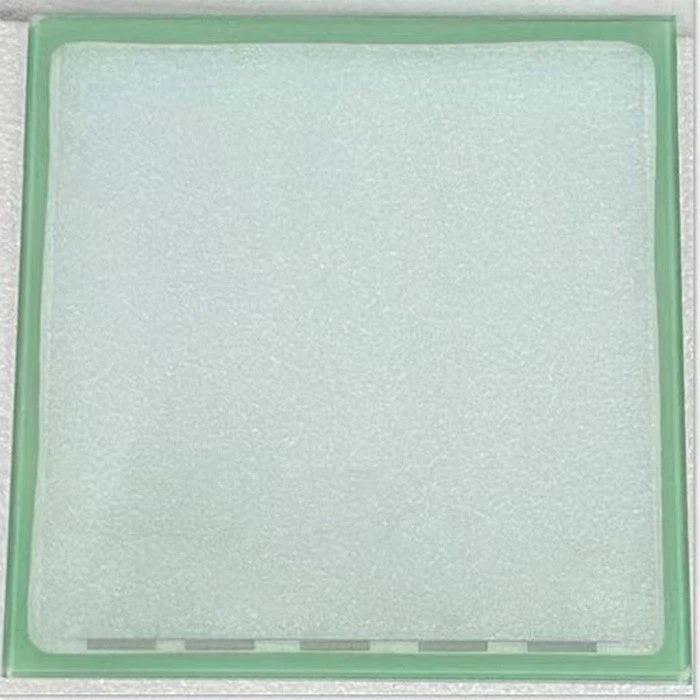
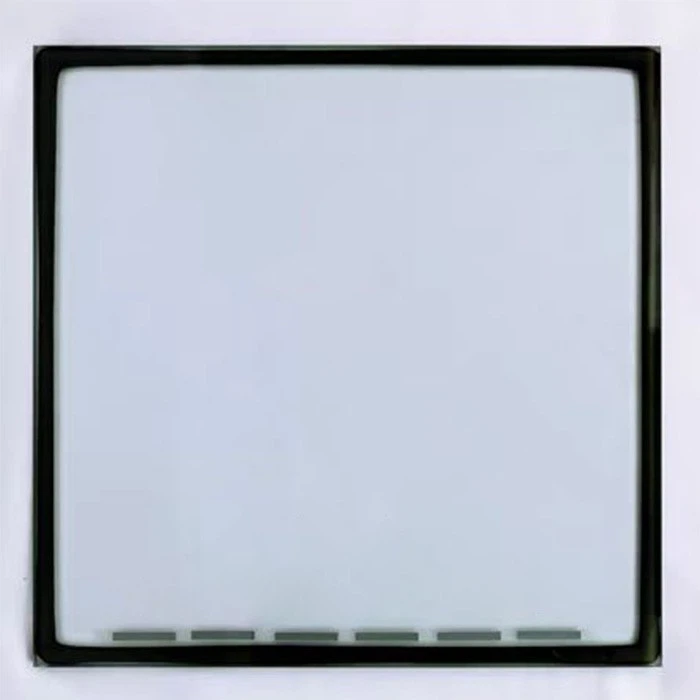
Let's talk about the different types of vacuum glass we offer. We have the Single Cavity Vacuum Glass. As the name suggests, it has a single vacuum cavity between two glass panes. This type of vacuum glass is great for many applications where space is limited, and you still want good thermal insulation. It's a cost - effective solution that can make a big difference in reducing heat loss.
Then there's our Vacuum Composite Hollow PVB Glass. This one combines the benefits of vacuum insulation with the safety features of PVB (polyvinyl butyral) interlayers. The PVB interlayers hold the glass together in case of breakage, adding an extra layer of safety. And of course, the vacuum layer still does its job of reducing heat loss.
Our Vacuum Composite Insulating Glass takes it a step further. It may have multiple vacuum cavities or be combined with other insulating materials. This type of glass offers the highest level of thermal insulation, making it ideal for buildings in extremely cold climates or for those who want to achieve the lowest possible energy consumption.
So, how does all this translate into real - world benefits for you during winter? Well, when you use our vacuum glass in your windows, you'll notice a significant reduction in your heating bills. Since less heat is escaping from your building, your heating system doesn't have to work as hard to keep the indoor temperature comfortable. You'll also feel more comfortable inside because there won't be those cold drafts near the windows that you often get with regular glass.
Another great thing is that vacuum glass can also reduce condensation. Since the glass stays warmer on the inside surface due to its excellent insulation, there's less of a temperature difference between the inside and outside of the glass. This means less moisture will condense on the glass, which is not only a nuisance but can also lead to mold growth in some cases.
In addition to the energy - saving and comfort benefits, using vacuum glass is also an environmentally friendly choice. By reducing your energy consumption, you're lowering your carbon footprint. You're doing your part to help the planet while also saving money in the long run.
If you're a builder, architect, or just a homeowner looking to upgrade your windows, our vacuum glass is definitely worth considering. It's a high - quality product that offers long - term value. Whether you're constructing a new building or renovating an old one, our team can work with you to find the right type of vacuum glass for your specific needs.
We understand that every project is unique, and we're here to provide you with the best solutions. So, if you're interested in learning more about our vacuum glass products or want to discuss a potential purchase, don't hesitate to reach out. We're always happy to have a chat and answer any questions you might have. Whether it's about the installation process, the cost, or the performance of our glass in different climates, we've got you covered.
In conclusion, vacuum glass is a game - changer when it comes to reducing heat loss in winter. Its unique design and properties make it a superior choice compared to traditional glass. So, if you're ready to take the next step towards a more energy - efficient and comfortable home or building, contact us today to start the conversation. Let's work together to make your project a success.
References
- "Thermal Insulation of Vacuum Glazing Systems" - Journal of Building Physics
- "Advances in Vacuum Glass Technology" - International Journal of Sustainable Energy
