

When it comes to the world of glass, 19MM float glass stands out as a robust and versatile option, widely used in various architectural and industrial applications. As a dedicated supplier of 19MM Float Glass, I often encounter inquiries about the thickness tolerance of this particular product. In this blog post, I'll delve into the details of what thickness tolerance means for 19MM float glass, why it matters, and how it impacts your projects.
Understanding Thickness Tolerance
Thickness tolerance refers to the acceptable deviation from the specified nominal thickness of the glass. For 19MM float glass, the nominal thickness is, of course, 19 millimeters. However, due to the manufacturing process, it's nearly impossible to produce glass that is exactly 19MM throughout. The thickness tolerance defines the range within which the actual thickness of the glass can vary while still being considered acceptable.
The manufacturing of float glass involves a continuous process where molten glass is poured onto a bath of molten tin. As the glass flows and cools, it forms a flat and smooth surface. Despite the advanced technology used in modern float glass production, there are still factors that can cause slight variations in thickness. These factors include fluctuations in the temperature of the molten glass, the speed of the production line, and the quality of the raw materials.
Industry Standards for 19MM Float Glass Thickness Tolerance
In the glass industry, there are established standards that define the acceptable thickness tolerance for 19MM float glass. These standards ensure that the glass meets the quality requirements for different applications. One of the most widely recognized standards is the ASTM (American Society for Testing and Materials) C1036 standard. According to ASTM C1036, the thickness tolerance for 19MM float glass is typically ± 0.25MM. This means that the actual thickness of the glass can range from 18.75MM to 19.25MM and still be considered within the acceptable tolerance.
It's important to note that different regions and industries may have their own specific standards for glass thickness tolerance. For example, in some European countries, the EN (European Norm) standards may be used, which may have slightly different tolerance values. As a supplier, I always ensure that our 19MM float glass meets the relevant industry standards to provide our customers with high-quality products.
Why Thickness Tolerance Matters
The thickness tolerance of 19MM float glass can have a significant impact on its performance and suitability for different applications. Here are some reasons why thickness tolerance matters:
- Structural Integrity: In architectural applications, such as curtain walls and glass facades, the thickness of the glass plays a crucial role in determining its structural integrity. If the glass is too thin, it may not be able to withstand the loads and stresses imposed on it, which can lead to breakage and safety hazards. On the other hand, if the glass is too thick, it may add unnecessary weight to the structure, increasing the cost of installation and potentially affecting the overall stability of the building.
- Optical Quality: The thickness of the glass can also affect its optical quality. Glass with a consistent thickness provides better clarity and reduces the distortion of light passing through it. If the thickness varies significantly, it can cause visual distortions, such as waviness or rippling, which can be particularly noticeable in large glass panels.
- Sealing and Insulation: In applications where the glass is used for windows or doors, the thickness tolerance can impact the sealing and insulation properties. Glass that is too thin may not provide adequate insulation, leading to energy losses and higher heating and cooling costs. Additionally, inconsistent thickness can make it difficult to achieve a proper seal, allowing air and moisture to penetrate the building envelope.
Our Commitment to Quality and Thickness Tolerance
As a supplier of 19MM Float Glass, we are committed to providing our customers with high-quality products that meet or exceed the industry standards for thickness tolerance. We have a state-of-the-art manufacturing facility equipped with advanced technology and quality control systems to ensure that every piece of glass we produce is within the specified tolerance range.
Our quality control process starts with the selection of the raw materials. We source high-quality silica sand, soda ash, and limestone to ensure the purity and consistency of the glass. During the manufacturing process, we closely monitor the temperature, speed, and other parameters to minimize the variations in thickness. After the glass is produced, it undergoes a series of inspections and tests to verify its thickness and other quality parameters.
In addition to meeting the industry standards, we also offer customized solutions to meet the specific requirements of our customers. If you have a project that requires a tighter thickness tolerance or other special specifications, we can work with you to develop a tailored solution.
Applications of 19MM Float Glass
19MM float glass is a versatile material that can be used in a wide range of applications. Here are some common applications where 19MM float glass is often used:
- Architectural Applications: 19MM float glass is commonly used in architectural applications, such as curtain walls, glass facades, and skylights. Its thickness provides excellent structural support and can withstand the wind loads and other stresses associated with these applications. The high optical quality of the glass also allows for clear views and enhances the aesthetic appeal of the building.
- Industrial Applications: In industrial settings, 19MM float glass is used for various purposes, such as machine guards, observation windows, and partition walls. Its durability and resistance to impact make it suitable for these applications, where safety and protection are important considerations.
- Interior Design Applications: 19MM float glass can also be used in interior design applications, such as glass partitions, shower enclosures, and furniture. Its thickness gives it a substantial and luxurious look, while its transparency allows for the creation of open and spacious environments.
Colored and Clear 19MM Float Glass Options
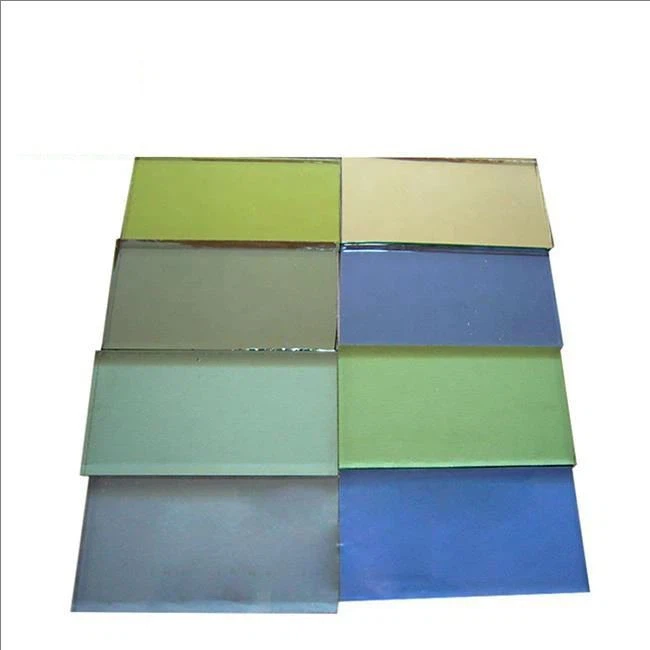
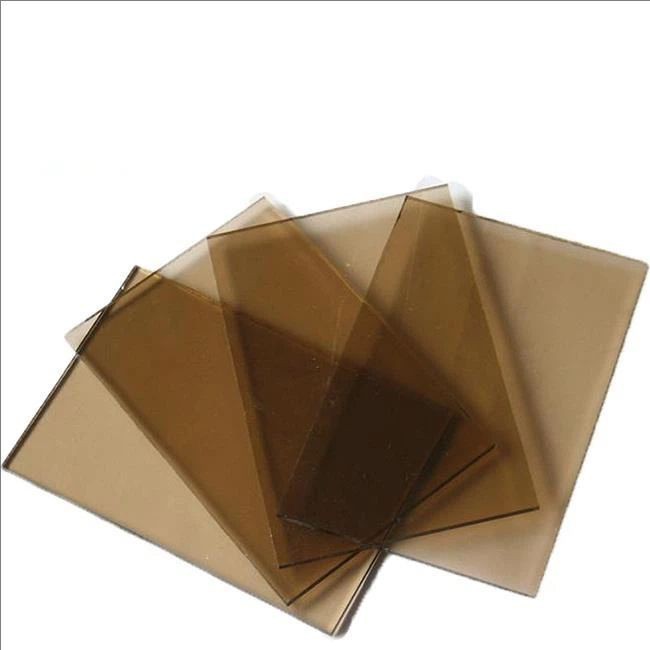
In addition to the standard clear 19MM float glass, we also offer Colored Float Glass options. Colored float glass can add a decorative element to your projects and can be used to create unique and eye-catching designs. We offer a variety of colors, including bronze, gray, green, and blue, to meet the different aesthetic requirements of our customers.
Our Clear Float Glass is known for its high transparency and clarity, making it ideal for applications where unobstructed views are desired. Whether you need clear or colored 19MM float glass, we can provide you with the right product to meet your needs.
Conclusion
In conclusion, the thickness tolerance of 19MM float glass is an important factor to consider when selecting glass for your projects. Understanding the industry standards and the impact of thickness tolerance on the performance and suitability of the glass can help you make informed decisions. As a supplier of 19MM Float Glass, we are committed to providing our customers with high-quality products that meet the relevant industry standards for thickness tolerance. We offer a wide range of options, including Colored Float Glass and Clear Float Glass, to meet the different needs of our customers.
If you are interested in purchasing 19MM Float Glass for your project, please don't hesitate to contact us. Our team of experts is ready to assist you with your inquiries and provide you with the best solutions for your needs. We look forward to working with you and helping you achieve your project goals.
References
- ASTM C1036 - Standard Specification for Flat Glass
- EN Standards for Glass Products
