

Hey there! As a supplier of vacuum glass, I often get asked about the sound insulation performance of vacuum glass. So, I thought I'd take a moment to share some insights on this topic.
Let's start with the basics. Sound travels in waves through a medium, like air or solid materials. When these sound waves hit a barrier, such as a window, some of the sound is reflected, some is absorbed, and some passes through. The goal of sound - insulating glass is to minimize the amount of sound that passes through.
Vacuum glass is a unique product in this regard. It consists of two or more glass panes separated by a vacuum layer. This vacuum layer is the key to its excellent sound - insulation capabilities. You see, sound waves need a medium to travel through, and since a vacuum has no air or other matter, it's extremely difficult for sound waves to pass through it.
Compared to traditional single - pane glass, vacuum glass can block a significantly larger amount of sound. Single - pane glass is like a sieve for sound. It doesn't have much to stop the sound waves from going right through. But vacuum glass acts as a solid wall. The vacuum layer disrupts the transmission of sound, reducing the noise level on the other side.
Let's talk about different types of vacuum glass and their sound - insulation performance.
First up, Single Cavity Vacuum Glass. This type has one vacuum cavity between two glass panes. It offers a good level of sound insulation. The single vacuum layer already does a great job of blocking out a wide range of frequencies. For example, in an urban environment with traffic noise, single - cavity vacuum glass can reduce the noise level by a substantial amount. It can make your home or office a much quieter place.
Then there's Vacuum Composite Insulating Glass. This is a more advanced option. It usually combines multiple vacuum layers or has additional insulating materials. The multiple layers increase the complexity of the sound - wave path. Sound waves have to pass through multiple barriers, and each layer absorbs and reflects some of the sound. As a result, it can provide even better sound insulation than single - cavity vacuum glass. It's ideal for places where noise reduction is crucial, like hospitals, recording studios, or luxury homes in noisy areas.

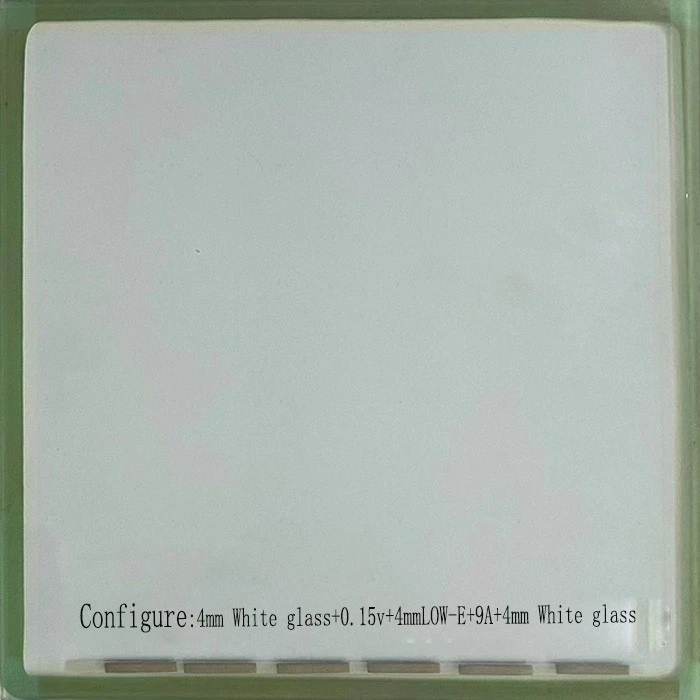
Another type is Vacuum Composite Hollow PVB Glass. The PVB (Polyvinyl Butyral) layer in this glass adds an extra dimension to sound insulation. PVB is a soft, plastic - like material that can absorb sound energy. When combined with the vacuum layer, it can effectively dampen sound vibrations. This type of glass is great for reducing both high - frequency and low - frequency noise. High - frequency noise, like the screeching of brakes or the chirping of birds, can be quite annoying. Low - frequency noise, such as the rumble of traffic or industrial machinery, can also be a problem. Vacuum Composite Hollow PVB Glass can handle both types well.
The sound - insulation performance of vacuum glass is also affected by factors like the thickness of the glass panes and the size of the vacuum cavity. Thicker glass panes generally provide better sound insulation because they are more massive and can absorb more sound energy. A larger vacuum cavity also helps because it gives the sound waves more space to lose their energy before they can pass through.
In real - world applications, the difference in noise levels can be quite dramatic. I've had customers who installed vacuum glass in their homes near busy roads. They were amazed at how much quieter their homes became. Before, they couldn't even have a normal conversation without being drowned out by the traffic noise. After installing the vacuum glass, they could enjoy a peaceful evening at home, read a book, or watch TV without any distractions.
In commercial buildings, vacuum glass can also make a big difference. For offices, it can improve the working environment. Employees can focus better without the constant background noise. In hotels, it can enhance the guest experience. Guests can have a good night's sleep without being disturbed by outside noise.
Now, if you're thinking about using vacuum glass for your project, whether it's a residential or commercial one, I'd love to talk to you. We have a wide range of vacuum glass products to meet your specific needs. Whether you need good - enough sound insulation or top - notch noise reduction, we've got you covered.
Contact us to discuss your requirements. We can help you choose the right type of vacuum glass based on your location, budget, and the level of sound insulation you need. Let's work together to create a quieter, more comfortable space for you.
References
- "The Physics of Sound Insulation in Glass Products", Journal of Building Materials Science
- "Advances in Vacuum Glass Technology for Noise Reduction", International Journal of Architectural Glass
