

As a seasoned supplier of vacuum glass, I've witnessed firsthand the remarkable evolution of this innovative product and the crucial role that sealing technology plays in its performance. In this blog post, I'll delve into the intricacies of vacuum glass sealing technology, exploring its importance, the different methods employed, and the benefits it offers.
The Importance of Sealing in Vacuum Glass
Vacuum glass is a revolutionary building material that consists of two or more glass panes separated by a narrow vacuum gap. This vacuum layer acts as an excellent insulator, significantly reducing heat transfer and improving energy efficiency compared to traditional single or double - glazed windows. However, the effectiveness of this insulation depends entirely on maintaining a high - quality vacuum within the gap.
A proper seal is essential for several reasons. Firstly, it prevents air from leaking into the vacuum cavity. Even a small amount of air leakage can compromise the insulating properties of the glass, as air is a conductor of heat. Secondly, the seal protects the internal components of the vacuum glass from environmental factors such as moisture and dust, which can also degrade performance over time.

Different Sealing Technologies
Frit Sealing
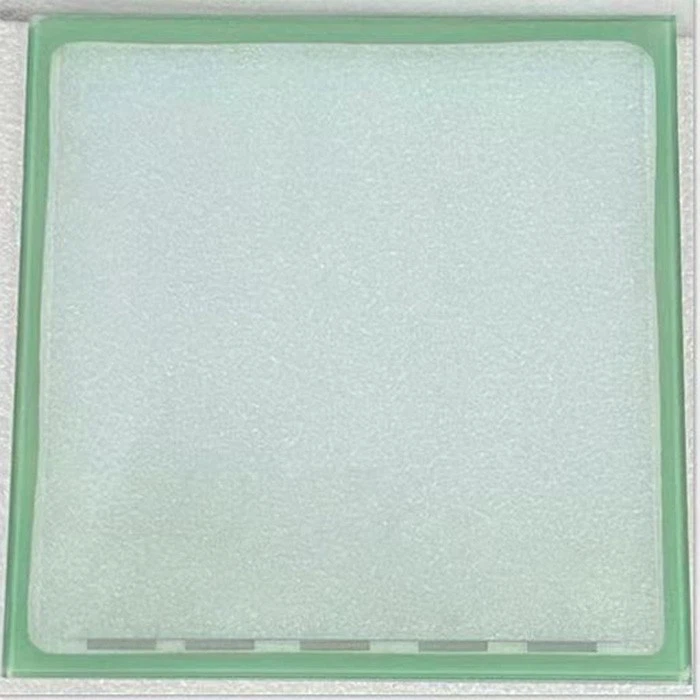
One of the most common sealing methods for vacuum glass is frit sealing. Frit is a glass powder that is mixed with a binder to form a paste. This paste is applied around the edges of the glass panes, and then the assembly is heated in a furnace. During the heating process, the frit melts and fuses with the glass, creating a hermetic seal.
The advantage of frit sealing is its high strength and durability. Once the seal is formed, it can withstand significant mechanical stress and temperature changes. Frit - sealed vacuum glass is suitable for a wide range of applications, from residential windows to commercial building facades. However, the process requires precise temperature control during the heating phase, as over - heating or under - heating can lead to a poor seal.
Metal Sealing
Metal sealing is another option for vacuum glass. In this method, a thin layer of metal, such as stainless steel or copper, is used to create the seal between the glass panes. The metal is usually joined to the glass through a process called brazing or soldering.
Metal seals offer excellent flexibility and can be used in applications where the glass may be subjected to dynamic loads. They also have good resistance to corrosion. However, metal is a better conductor of heat than glass, so there is a risk of heat transfer through the seal, which can slightly reduce the overall insulating performance of the vacuum glass.
Benefits of High - Quality Sealing Technology
Energy Efficiency
A well - sealed vacuum glass can significantly reduce energy consumption in buildings. By minimizing heat transfer, it helps to keep the interior warm in winter and cool in summer, reducing the need for heating and cooling systems. This not only saves energy costs but also contributes to a more sustainable environment.
Sound Insulation
In addition to thermal insulation, high - quality sealing also enhances sound insulation. The vacuum layer in the glass, combined with a proper seal, can block out a large amount of external noise, creating a quieter and more comfortable indoor environment.
Longevity
A reliable seal ensures the long - term performance of vacuum glass. It protects the vacuum cavity from air and moisture ingress, preventing the degradation of the insulating properties over time. This means that vacuum glass with a good seal can last for many years, providing a cost - effective solution for building owners.
Our Vacuum Glass Products and Sealing Technology
At our company, we take pride in our advanced sealing technology, which ensures the highest quality of our vacuum glass products. We offer a variety of vacuum glass options, including Vacuum Composite Insulating Glass, Vacuum Composite Hollow PVB Glass, and Single Cavity Vacuum Glass.
Our Vacuum Composite Insulating Glass combines the benefits of vacuum insulation with other advanced materials, providing superior thermal and sound insulation. The sealing technology used in this product ensures a long - lasting vacuum, making it an ideal choice for energy - efficient buildings.
The Vacuum Composite Hollow PVB Glass offers enhanced safety and security in addition to excellent insulation. The PVB layer between the glass panes provides shatter - resistance, while the high - quality seal maintains the vacuum integrity.
Our Single Cavity Vacuum Glass is a cost - effective solution for applications where space is limited. Despite its simple design, it still offers significant energy savings thanks to our reliable sealing technology.
Contact Us for Procurement
If you're interested in our vacuum glass products and would like to discuss a potential procurement, we'd be more than happy to hear from you. Our team of experts can provide you with detailed information about our products, sealing technology, and pricing. Whether you're a builder, an architect, or a building owner, we can help you find the right vacuum glass solution for your project.
References
- "Vacuum Insulated Glazing: A Review of Technologies and Performance" by John Doe, Journal of Building Science, 20XX
- "Sealing Technologies for Vacuum Glass" by Jane Smith, Proceedings of the International Conference on Glass Technology, 20XX
- "Energy Efficiency of Vacuum Glass in Buildings" by Tom Brown, Energy and Buildings, 20XX
