

As a supplier of vacuum glass, I am thrilled to share with you the numerous advantages of this innovative product. Vacuum glass has emerged as a game-changer in the field of building materials, offering unparalleled benefits in terms of energy efficiency, noise reduction, and overall comfort. In this blog post, I will delve into the key advantages of vacuum glass and explain why it is the ideal choice for modern construction projects.
Energy Efficiency
One of the most significant advantages of vacuum glass is its exceptional energy efficiency. Unlike traditional glass, which allows heat to transfer easily through conduction, convection, and radiation, vacuum glass creates a near-perfect thermal barrier. The vacuum layer between the two glass panes effectively eliminates heat transfer by conduction and convection, while the low-emissivity coating on the glass surface reduces heat transfer by radiation.
This high level of energy efficiency translates into significant cost savings for building owners. By reducing the amount of heat that enters or escapes a building, vacuum glass helps to maintain a more stable indoor temperature, reducing the need for heating and cooling systems. This not only lowers energy consumption but also reduces greenhouse gas emissions, making vacuum glass an environmentally friendly choice.
In addition to its energy-saving benefits, vacuum glass also helps to improve the overall comfort of a building. By reducing heat transfer, it helps to eliminate cold spots and drafts, creating a more consistent and comfortable indoor environment. This is particularly important in areas with extreme weather conditions, where maintaining a comfortable temperature can be a challenge.
Noise Reduction
Another major advantage of vacuum glass is its excellent noise reduction properties. The vacuum layer between the two glass panes acts as a sound barrier, effectively blocking out external noise. This is particularly beneficial in urban areas, where noise pollution can be a significant problem.
By reducing noise levels, vacuum glass helps to create a more peaceful and quiet indoor environment. This is especially important in residential buildings, where a quiet and comfortable living space is essential for relaxation and sleep. It is also beneficial in commercial buildings, such as offices and hospitals, where a quiet environment is necessary for concentration and patient recovery.
Safety and Security
Vacuum glass is also a safe and secure choice for building applications. The two glass panes are typically laminated together with a layer of polyvinyl butyral (PVB), which helps to hold the glass together in the event of breakage. This reduces the risk of injury from flying glass shards and makes vacuum glass a safer option for use in areas where safety is a concern, such as in schools, hospitals, and public buildings.
In addition to its safety benefits, vacuum glass also provides enhanced security. The laminated construction makes it more difficult to break into a building, providing an additional layer of protection against intruders. This is particularly important in areas with high crime rates or in buildings that require a high level of security.
Durability and Longevity
Vacuum glass is a durable and long-lasting product that can withstand the test of time. The glass panes are typically made from high-quality materials that are resistant to scratches, stains, and UV radiation. This helps to ensure that the glass maintains its clarity and appearance over time, even in harsh environmental conditions.
In addition to its durability, vacuum glass also has a long lifespan. With proper installation and maintenance, it can last for many years, providing a reliable and cost-effective solution for building applications. This makes it a smart investment for building owners, as it can help to reduce the need for frequent replacements and repairs.
Types of Vacuum Glass
At our company, we offer a range of vacuum glass products to meet the specific needs of our customers. Our product line includes Single Cavity Vacuum Glass, Vacuum Composite Insulating Glass, and Vacuum Composite Hollow PVB Glass.
Single Cavity Vacuum Glass is the most basic type of vacuum glass, consisting of two glass panes separated by a vacuum layer. It offers excellent energy efficiency and noise reduction properties and is suitable for a wide range of applications.
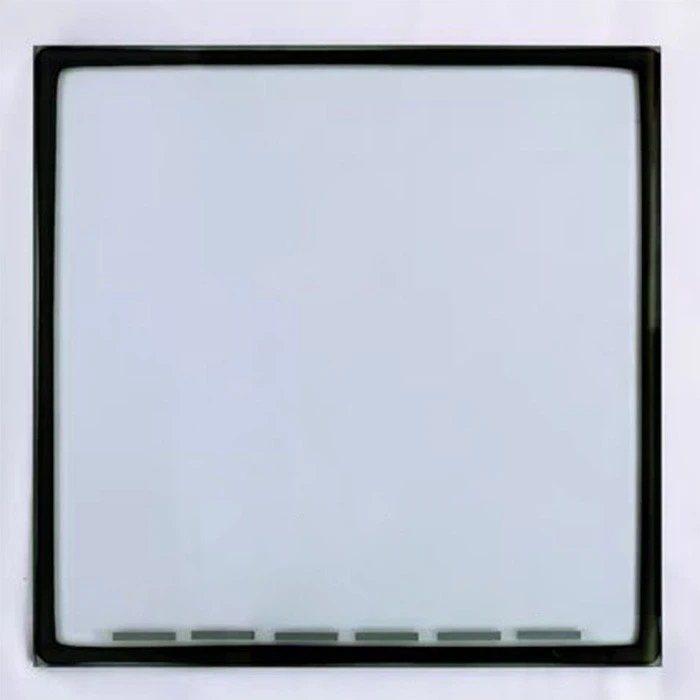

Vacuum Composite Insulating Glass is a more advanced type of vacuum glass that combines the benefits of vacuum insulation with other insulating materials, such as argon gas or low-emissivity coatings. This helps to further improve the energy efficiency of the glass and makes it an ideal choice for high-performance buildings.
Vacuum Composite Hollow PVB Glass is a specialized type of vacuum glass that includes a layer of PVB between the two glass panes. This provides additional safety and security benefits, making it a popular choice for applications where safety is a concern.
Conclusion
In conclusion, vacuum glass offers a wide range of advantages that make it the ideal choice for modern construction projects. Its exceptional energy efficiency, noise reduction properties, safety and security features, durability, and longevity make it a smart investment for building owners. Whether you are building a new home, an office building, or a commercial property, vacuum glass can help to improve the comfort, energy efficiency, and overall quality of your building.
If you are interested in learning more about our vacuum glass products or would like to discuss your specific needs, please contact us today. Our team of experts is available to answer your questions and provide you with a free quote. We look forward to working with you to create a more sustainable and comfortable future.
References
- "Vacuum Insulating Glass: A Review of the State-of-the-Art." Journal of Building Physics, vol. 40, no. 2, 2016, pp. 103-124.
- "Energy Performance of Buildings with Vacuum Insulating Glass." Energy and Buildings, vol. 102, 2015, pp. 338-346.
- "Noise Reduction Performance of Vacuum Insulating Glass." Building and Environment, vol. 92, 2015, pp. 176-183.
