

As a supplier of vacuum glass, I've witnessed firsthand how this innovative product can significantly contribute to a building's LEED (Leadership in Energy and Environmental Design) certification. LEED is a globally recognized green building certification system that encourages and verifies sustainable building design, construction, operation, and maintenance. In this blog, I'll explore the various ways vacuum glass can help a building achieve a higher LEED score.
Energy Efficiency and Reduced Carbon Footprint
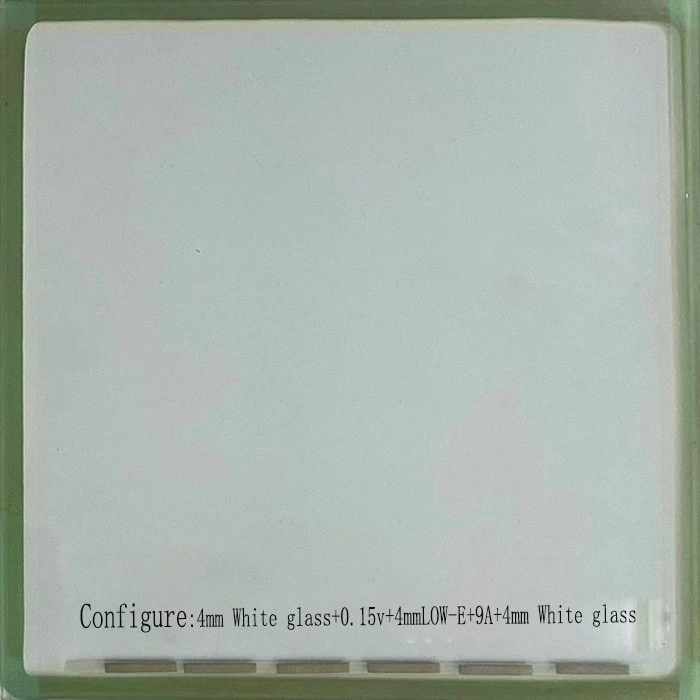
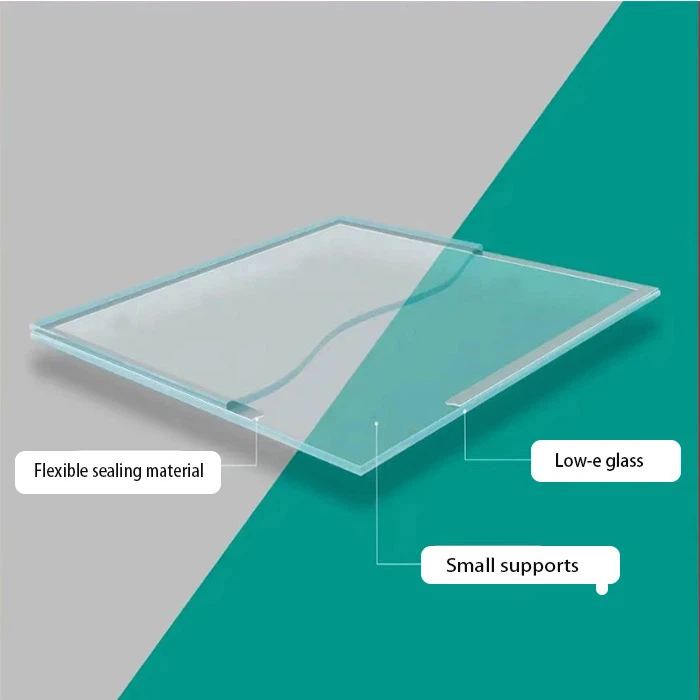
One of the primary goals of LEED certification is to promote energy efficiency in buildings. Vacuum glass plays a crucial role in this aspect. Unlike traditional glass, vacuum glass has an extremely low thermal conductivity. The vacuum layer between the glass panes acts as an excellent insulator, minimizing heat transfer through the glass. This means that during the winter, less heat escapes from the building, reducing the need for heating systems. In the summer, it prevents external heat from entering, decreasing the reliance on air - conditioning.
According to research, buildings with vacuum glass can reduce energy consumption for heating and cooling by up to 50% compared to those with standard glass. This substantial energy savings directly translates into a lower carbon footprint. LEED awards points for energy performance, and the use of vacuum glass can help a building achieve these points. For example, the Energy and Atmosphere (EA) category in LEED has credits for optimizing energy performance. By installing vacuum glass, a building can demonstrate a significant improvement in its energy efficiency, thus increasing its chances of earning these credits.
Indoor Environmental Quality
Indoor environmental quality (IEQ) is another important aspect of LEED certification. Vacuum glass can enhance IEQ in several ways. Firstly, it provides excellent sound insulation. The vacuum layer effectively blocks external noise, creating a quieter and more comfortable indoor environment. This is particularly beneficial for buildings located in noisy urban areas or near transportation hubs. In LEED, the IEQ category has credits related to acoustic performance. By using vacuum glass, a building can meet or exceed the requirements for these credits, improving the overall well - being of its occupants.
Secondly, vacuum glass can help maintain a more stable indoor temperature. With reduced heat transfer, there are fewer temperature fluctuations inside the building. This not only enhances comfort but also contributes to better air quality. When the temperature is stable, there is less condensation on the glass, which reduces the risk of mold growth. Mold can have a negative impact on indoor air quality and human health. LEED has credits for controlling moisture and mold, and the use of vacuum glass can assist in achieving these credits.
Sustainable Materials and Resources
LEED also considers the use of sustainable materials and resources. As a vacuum glass supplier, we are committed to sustainable manufacturing processes. Vacuum glass is made from high - quality glass materials that can be recycled at the end of its life cycle. The manufacturing process of vacuum glass is also designed to minimize waste and energy consumption.
LEED awards points for using recycled content materials and for reducing construction waste. Our vacuum glass products often contain a certain percentage of recycled glass, which can help a building earn points in the Materials and Resources (MR) category. Additionally, the long - lifespan of vacuum glass means that it doesn't need to be replaced as frequently as traditional glass, reducing the overall environmental impact associated with building maintenance and renovation.
Types of Vacuum Glass for LEED - Certified Buildings
We offer different types of vacuum glass that can be tailored to the specific needs of LEED - certified buildings.
Vacuum Composite Insulating Glass is a popular choice. It combines the excellent insulation properties of vacuum glass with other insulating materials. This type of glass provides enhanced thermal and acoustic performance, making it ideal for buildings aiming to achieve high LEED scores in both energy efficiency and indoor environmental quality.
Single Cavity Vacuum Glass is a more cost - effective option without compromising on performance. It offers good insulation and can still contribute significantly to a building's energy efficiency and LEED certification.
Vacuum Composite Hollow PVB Glass provides additional safety features along with insulation. The PVB layer between the glass panes makes the glass more shatter - resistant, which is beneficial for building safety. It also offers excellent sound and heat insulation, helping a building meet the requirements of multiple LEED categories.
Water Efficiency
Although not as directly related as energy efficiency or indoor environmental quality, vacuum glass can also have an indirect impact on water efficiency. Since vacuum glass helps maintain a stable indoor temperature, it reduces the load on the building's heating and cooling systems. These systems often require water for cooling purposes, such as in cooling towers. By reducing the energy demand, there is also a reduction in the water consumption associated with these systems. LEED has credits for water efficiency, and the use of vacuum glass can contribute to a building's overall water - saving efforts, although indirectly.
Conclusion
In conclusion, vacuum glass is a valuable asset for buildings seeking LEED certification. Its contributions to energy efficiency, indoor environmental quality, sustainable materials, and even water efficiency make it a versatile and eco - friendly choice. As a vacuum glass supplier, we are dedicated to providing high - quality products that can help buildings achieve their LEED goals.
If you are a building owner, architect, or contractor interested in incorporating vacuum glass into your next project to pursue LEED certification, we would love to have a discussion with you. Contact us to learn more about our products and how they can be customized to meet your specific needs. Let's work together to create more sustainable and energy - efficient buildings.
References
- U.S. Green Building Council. (n.d.). LEED Rating Systems. Retrieved from [LEED official website].
- Research on energy efficiency of vacuum glass in buildings. (Author, Year). Journal of Building Science.
- Studies on indoor environmental quality improvement with vacuum glass. (Author, Year). Indoor Environment Journal.
