

As a supplier of vacuum glass, I've often been asked whether vacuum glass can be used in residential buildings. In this blog, I'll delve into the characteristics of vacuum glass, its advantages and disadvantages for residential use, and ultimately answer the question of its viability in homes.
What is Vacuum Glass?
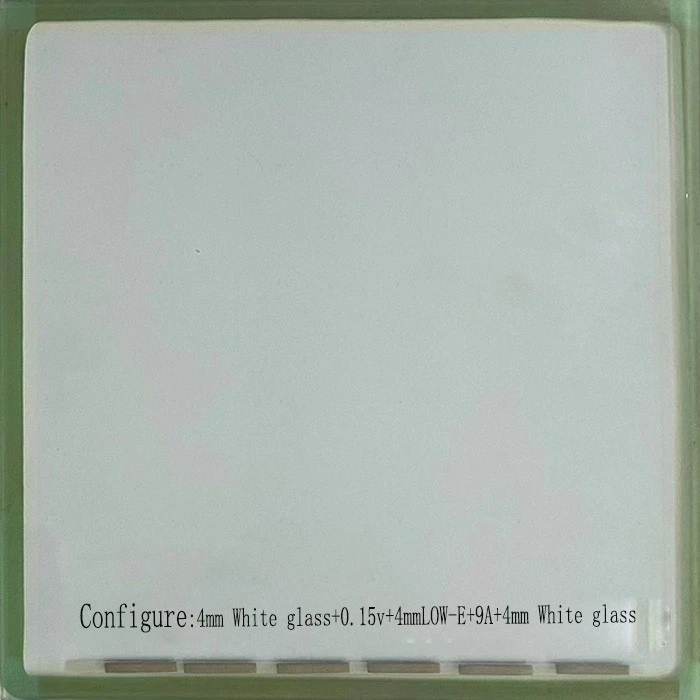
Vacuum glass is a type of high - performance energy - efficient glass. It consists of two or more glass panes separated by a vacuum layer. The edges of the glass panes are sealed, and small support pillars are placed between the panes to withstand atmospheric pressure.
There are different types of vacuum glass available from our product range. For instance, the Vacuum Composite Hollow PVB Glass combines the features of vacuum insulation with the safety properties of PVB interlayers. The Single Cavity Vacuum Glass is a more basic form with a single vacuum - filled cavity, which is suitable for applications where cost - effectiveness is a priority. And the Vacuum Composite Insulating Glass offers enhanced insulation performance through a combination of vacuum and other insulating materials.
Advantages of Using Vacuum Glass in Residential Buildings
Energy Efficiency
One of the most significant advantages of vacuum glass in residential settings is its excellent energy - saving potential. The vacuum layer between the glass panes acts as a highly effective thermal insulator. In cold weather, it reduces the heat transfer from the warm interior of the house to the cold outside, thus reducing the need for heating. In hot weather, it prevents the heat from the outside from entering the house, reducing the reliance on air - conditioning.
According to research, compared to traditional single - pane glass, vacuum glass can reduce heat loss by up to 80%. This translates into substantial savings on energy bills for homeowners over the long term. Moreover, it also contributes to a more sustainable living environment by reducing the overall energy consumption of the building.
Noise Reduction
Residential areas can be noisy, whether it's from traffic, neighbors, or other external sources. Vacuum glass provides excellent noise insulation. The vacuum layer effectively dampens sound waves, creating a quieter indoor environment. This is particularly beneficial for bedrooms, living rooms, and home offices, where a peaceful atmosphere is essential for relaxation, sleep, and concentration.
Condensation Resistance
Condensation on windows can be a common problem in homes, especially during cold weather. It not only affects the visibility through the window but can also lead to mold growth and damage to the window frames and surrounding walls. Vacuum glass has a very low surface temperature difference between the inner and outer panes, which significantly reduces the likelihood of condensation forming on the glass surface.
Safety
Some types of vacuum glass, such as the Vacuum Composite Hollow PVB Glass, are designed with safety in mind. The PVB interlayer holds the glass fragments together in case of breakage, reducing the risk of injury from flying glass shards. This is an important consideration for homes, especially those with children or pets.
Disadvantages of Using Vacuum Glass in Residential Buildings
Cost
One of the main drawbacks of vacuum glass is its relatively high cost compared to traditional glass. The manufacturing process of vacuum glass is more complex and requires specialized equipment and techniques. This results in a higher price tag for the end - product. However, it's important to note that the long - term energy savings and other benefits can offset the initial investment over time.

Installation Requirements
Vacuum glass requires more precise installation than traditional glass. The edges of the glass need to be properly sealed to maintain the vacuum integrity. Any damage to the seal can lead to a loss of vacuum and a decrease in the performance of the glass. Therefore, it's crucial to hire experienced and professional installers to ensure the proper installation of vacuum glass.
Limited Availability
In some regions, vacuum glass may not be as readily available as traditional glass. This can pose a challenge for homeowners who want to use vacuum glass in their residential projects. However, as the demand for energy - efficient building materials increases, the availability of vacuum glass is likely to improve.
Considerations for Residential Use
When considering using vacuum glass in a residential building, several factors need to be taken into account.
Location and Climate
The location of the house and the local climate play a crucial role in determining the suitability of vacuum glass. In regions with extreme temperatures, such as very cold winters or very hot summers, the energy - saving benefits of vacuum glass are more pronounced. For example, in northern regions where heating is required for a large part of the year, the heat - insulating properties of vacuum glass can lead to significant cost savings.
Building Design
The design of the residential building also affects the use of vacuum glass. For new construction projects, it's easier to incorporate vacuum glass into the overall design. However, for retrofit projects, there may be some challenges, such as ensuring compatibility with the existing window frames and structures.
Budget
As mentioned earlier, the cost of vacuum glass is a significant factor. Homeowners need to carefully evaluate their budget and determine whether the long - term benefits justify the initial investment. In some cases, it may be possible to use vacuum glass only in certain areas of the house, such as the main living areas or bedrooms, to balance cost and performance.
Conclusion
In conclusion, vacuum glass can indeed be used in residential buildings. Its numerous advantages, including energy efficiency, noise reduction, condensation resistance, and safety, make it an attractive option for homeowners who are looking for high - performance building materials. Although there are some disadvantages, such as cost and installation requirements, the long - term benefits often outweigh the drawbacks.
If you're considering using vacuum glass in your residential project, I encourage you to contact us for more information. Our team of experts can provide you with detailed product information, help you choose the most suitable type of vacuum glass for your needs, and offer guidance on installation. We're committed to providing high - quality vacuum glass solutions that meet the highest standards of performance and reliability.
References
- [1] "Energy - efficient glazing technologies for buildings: A review", Journal of Building Engineering, 2018.
- [2] "Noise reduction performance of vacuum glazing", Journal of Sound and Vibration, 2019.
- [3] "Condensation prevention in building envelopes", Building and Environment, 2020.
