

Are there different types of vacuum glass?
As a supplier of vacuum glass, I am often asked about the different types of vacuum glass available in the market. In this blog post, I will explore the various types of vacuum glass, their features, and applications.
Vacuum glass is a type of high - performance insulating glass that consists of two or more glass panes separated by a vacuum layer. The vacuum layer significantly reduces heat transfer through conduction and convection, making it an excellent choice for energy - efficient buildings.
Single Cavity Vacuum Glass
Single Cavity Vacuum Glass is one of the most common types of vacuum glass. It is composed of two glass panes with a vacuum cavity in between. The edges of the glass panes are sealed to maintain the vacuum. This type of vacuum glass offers excellent thermal insulation properties. The vacuum layer, which has extremely low air pressure, minimizes heat transfer by conduction and convection.
The use of Single Cavity Vacuum Glass can lead to significant energy savings in buildings. For example, in cold climates, it can reduce the heat loss from the interior of a building, thus reducing the energy required for heating. In warm climates, it can prevent heat from entering the building, reducing the need for air - conditioning. You can find more information about Single Cavity Vacuum Glass on our website Single Cavity Vacuum Glass.
Vacuum Composite Insulating Glass
Vacuum Composite Insulating Glass combines the advantages of vacuum glass with other insulating materials or glass structures. It may consist of a vacuum glass unit combined with an additional layer of insulating glass or a low - emissivity (Low - E) coating.
The Low - E coating on the glass surface can reflect infrared radiation, further enhancing the thermal insulation performance of the glass. This type of glass is suitable for a wide range of applications, from residential buildings to commercial buildings. In high - rise office buildings, Vacuum Composite Insulating Glass can not only provide good thermal insulation but also reduce noise transmission, creating a more comfortable working environment. To learn more about Vacuum Composite Insulating Glass, visit Vacuum Composite Insulating Glass.
Vacuum Composite Hollow PVB Glass
Vacuum Composite Hollow PVB Glass is another innovative type of vacuum glass. It combines a vacuum layer with a hollow layer filled with an inert gas and a PVB (Polyvinyl Butyral) interlayer. The PVB interlayer provides safety features, as it holds the glass fragments together in case of breakage, reducing the risk of injury.
The combination of the vacuum layer and the hollow gas - filled layer enhances the thermal and acoustic insulation performance of the glass. This type of glass is often used in areas where both safety and insulation are important, such as in schools, hospitals, and high - end residential buildings. For detailed information about Vacuum Composite Hollow PVB Glass, please refer to Vacuum Composite Hollow PVB Glass.
Comparison of Different Types of Vacuum Glass
When comparing these different types of vacuum glass, several factors need to be considered.
Thermal Insulation Performance: Generally, all types of vacuum glass offer good thermal insulation. However, Vacuum Composite Insulating Glass and Vacuum Composite Hollow PVB Glass may have slightly better performance due to the additional layers or coatings. Single Cavity Vacuum Glass, on the other hand, provides a cost - effective solution with decent thermal insulation.
Acoustic Insulation: Vacuum Composite Hollow PVB Glass is superior in acoustic insulation because of the combination of the vacuum layer, the gas - filled hollow layer, and the PVB interlayer. It can effectively reduce noise from the outside environment, making it ideal for noise - sensitive areas.
Safety: Vacuum Composite Hollow PVB Glass stands out in terms of safety due to the PVB interlayer. In contrast, Single Cavity Vacuum Glass and Vacuum Composite Insulating Glass may not have the same level of safety features unless additional safety measures are taken.
Cost: Single Cavity Vacuum Glass is usually the most cost - effective option, making it a popular choice for budget - conscious projects. Vacuum Composite Insulating Glass and Vacuum Composite Hollow PVB Glass, with their enhanced features, are relatively more expensive but offer better performance in multiple aspects.
Applications of Different Types of Vacuum Glass
Residential Buildings: In residential buildings, all types of vacuum glass can be used. Single Cavity Vacuum Glass can be a good choice for standard houses, providing energy savings at a reasonable cost. Vacuum Composite Insulating Glass can be used in high - end residential projects to achieve better thermal and acoustic performance. Vacuum Composite Hollow PVB Glass is suitable for family homes, especially those with children or in noisy areas, as it offers both safety and insulation.

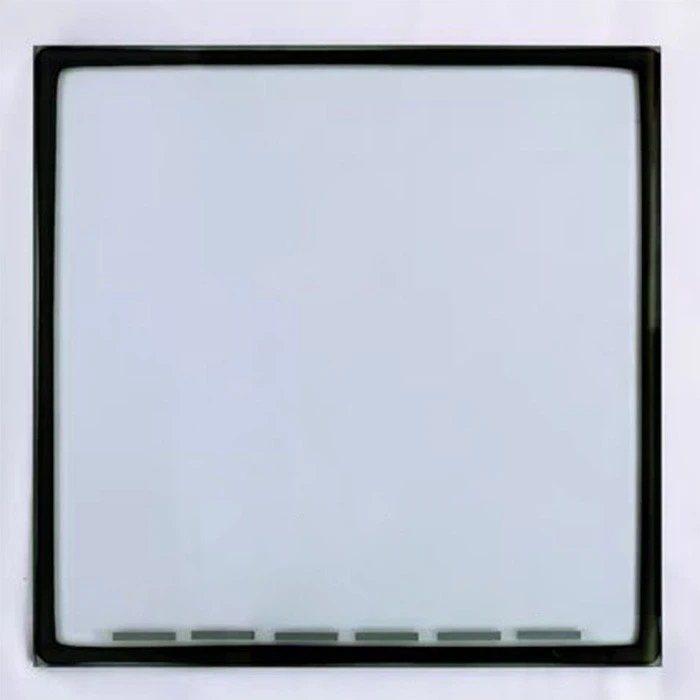
Commercial Buildings: Commercial buildings, such as office buildings, shopping malls, and hotels, often require high - performance glass. Vacuum Composite Insulating Glass and Vacuum Composite Hollow PVB Glass are commonly used in these buildings. They can help create a comfortable indoor environment, reduce energy consumption, and enhance the overall aesthetics of the building.
Industrial Buildings: Industrial buildings may also benefit from the use of vacuum glass. Single Cavity Vacuum Glass can be used in some industrial facilities where cost - effectiveness is a priority. For industrial areas with strict energy - efficiency requirements or noise - control needs, Vacuum Composite Insulating Glass or Vacuum Composite Hollow PVB Glass may be more appropriate.
Conclusion
In conclusion, there are indeed different types of vacuum glass, each with its own unique features, advantages, and applications. As a vacuum glass supplier, we are committed to providing high - quality products that meet the diverse needs of our customers. Whether you are building a residential property, a commercial complex, or an industrial facility, there is a suitable type of vacuum glass for you.
If you are interested in learning more about our vacuum glass products or would like to discuss your specific requirements, please feel free to contact us. We look forward to working with you to find the best vacuum glass solution for your project.
References
- Glass Association of North America. (2023). Technical information on insulating glass.
- International Energy Agency. (2022). Energy - efficient glazing technologies.
