

Hey there! As a supplier of laminated glass, I've been getting a lot of questions lately about the types of interlayers used in laminated glass. So, I thought I'd take a moment to break it down for you all.
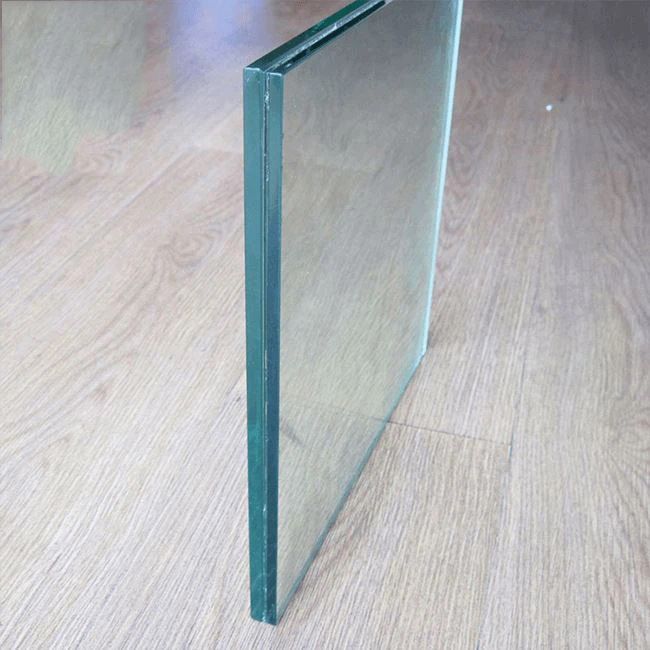
Laminated glass is a type of safety glass that consists of two or more layers of glass bonded together with an interlayer. This interlayer plays a crucial role in the performance and functionality of the laminated glass. There are several different types of interlayers available, each with its own unique properties and benefits.
Polyvinyl Butyral (PVB)
PVB is by far the most commonly used interlayer in laminated glass. It's a transparent, flexible plastic that provides excellent adhesion to the glass layers. One of the main advantages of PVB is its high level of safety. In the event of the glass breaking, the PVB interlayer holds the broken glass pieces together, preventing them from shattering and causing serious injury. This makes PVB laminated glass a popular choice for applications where safety is a top priority, such as in automotive windshields, building facades, and interior partitions.
Another great thing about PVB is its ability to block out UV rays. UV radiation can cause fading and damage to furniture, flooring, and other interior elements over time. PVB interlayers can block up to 99% of UV rays, helping to protect your valuable belongings and keep your interior looking fresh and vibrant.
PVB also offers good acoustic insulation properties. It can reduce noise transmission, making it ideal for use in areas where noise control is important, like offices, hotels, and residential buildings near busy roads.

Ethylene - Vinyl Acetate (EVA)
EVA is another type of interlayer used in laminated glass. It has some similar properties to PVB but also has its own distinct features. EVA is known for its high optical clarity, which makes it a great choice for applications where visual quality is crucial, such as in display cases, museum exhibits, and high - end architectural glass.
One of the advantages of EVA is its faster curing time compared to PVB. This means that the manufacturing process of EVA laminated glass can be more efficient, potentially reducing production costs. EVA also has good adhesion to the glass, and it can withstand a wide range of temperatures, making it suitable for use in different climates.
However, EVA may not offer the same level of safety as PVB in terms of holding broken glass together. While it does hold the glass to some extent, it may not be as effective in preventing large pieces of glass from falling in the event of a breakage.
SentryGlas® (SG)
SentryGlas® is a high - performance ionoplast interlayer. It's much stronger and stiffer than PVB. SG laminated glass can withstand higher levels of impact and force, making it an excellent choice for applications where security and structural integrity are required. For example, it's often used in areas prone to hurricanes or in high - security buildings.
SG also has better clarity and less yellowing over time compared to some other interlayers. This ensures that the glass maintains its aesthetic appeal for a longer period. In addition, SG laminated glass can provide better blast resistance, which is important in certain military or high - security facilities.
Polycarbonate
Polycarbonate interlayers are extremely tough and impact - resistant. They are often used in situations where maximum protection is needed, such as in bullet - resistant glass. Polycarbonate can absorb a large amount of energy upon impact, preventing bullets or other projectiles from passing through the glass.
Polycarbonate laminated glass is also lightweight compared to some other types of bullet - resistant glass, which can be an advantage in applications where weight is a concern, like in aircraft or some portable security barriers. However, polycarbonate may scratch more easily than glass, so it often requires a protective coating to maintain its appearance.
Applications of Different Interlayers
The choice of interlayer depends on the specific application of the laminated glass. For example, if you're looking for a glass for a commercial building's exterior facade, PVB laminated glass might be a great option. It offers a good balance of safety, UV protection, and acoustic insulation. You can check out our Reflective Laminated Glass which uses high - quality PVB interlayers and provides additional reflective properties to reduce solar heat gain.
If you're designing an interior display area where visual clarity is key, EVA laminated glass could be the way to go. It will give you a clear view of the exhibits without compromising on the overall look.
For buildings in hurricane - prone areas, SentryGlas® laminated glass is a must - have. Its strength and impact resistance can help protect the building from the strong winds and flying debris associated with hurricanes. Our Laminated Annealed Safety Glass with SentryGlas® interlayer is a reliable choice for such applications.
And of course, if you need bullet - resistant glass for a high - security facility, polycarbonate interlayer laminated glass is the solution.
Why Choose Our Laminated Glass?
As a laminated glass supplier, we take pride in offering high - quality products with the best interlayers available. We have a team of experts who can help you choose the right interlayer for your specific needs. Whether you're an architect, a contractor, or a homeowner, we can provide you with the perfect laminated glass solution.
Our manufacturing process is state - of - the - art, ensuring that each piece of laminated glass meets the highest standards of quality and performance. We also offer a wide range of customization options, so you can get the glass that fits your design requirements exactly.
If you're interested in purchasing laminated glass for your project, we'd love to have a chat with you. Just reach out to us, and we'll be happy to discuss your needs, provide you with a quote, and answer any questions you may have.
In conclusion, the type of interlayer used in laminated glass can significantly impact its performance, safety, and aesthetic appeal. By understanding the different types of interlayers available, you can make an informed decision and choose the best laminated glass for your application.
References
- Glass Association of North America. (2023). Technical Information on Laminated Glass.
- Pilkington. (2023). Guide to Laminated Glass Interlayers.
- Saint - Gobain. (2023). Laminated Glass Product Brochure.
