

The surface hardness of glass is a crucial property, especially when considering its applications in various industries. As a leading supplier of 19MM Float Glass, I often receive inquiries about the surface hardness of our 19MM float glass. In this blog post, I will delve into the concept of surface hardness, how it is measured, and specifically, what the surface hardness of 19MM float glass is.
Understanding Surface Hardness
Surface hardness refers to the resistance of a material's surface to indentation, scratching, or abrasion. In the context of glass, it determines how well the glass can withstand physical contact without getting damaged. High surface hardness means the glass is less likely to be scratched or marked during normal use, making it more durable and long - lasting.
There are several methods to measure the surface hardness of materials, and two of the most commonly used for glass are the Mohs scale and the Knoop or Vickers hardness tests.
The Mohs scale is a qualitative scale that ranks minerals from 1 (softest) to 10 (hardest). Talc has a Mohs hardness of 1, while diamond has a Mohs hardness of 10. Glass typically has a Mohs hardness between 5.5 and 7. This means that glass can be scratched by materials with a higher Mohs hardness, such as quartz (Mohs hardness of 7).
The Knoop and Vickers hardness tests are more quantitative methods. These tests involve applying a known load to the surface of the material using a diamond indenter and measuring the size of the indentation left behind. The smaller the indentation, the harder the material.
Surface Hardness of 19MM Float Glass
Our 19MM float glass generally has a Mohs hardness of around 6. This places it in the middle - upper range of the Mohs scale, indicating that it is relatively hard and resistant to scratching from most common materials. However, it can still be scratched by harder substances like sandpaper or quartz.
In terms of Knoop or Vickers hardness, the 19MM float glass has a Knoop hardness of approximately 500 - 600 HK and a Vickers hardness of around 5 - 6 GPa. These values are typical for soda - lime silica glass, which is the most common type of glass used in float glass production.
The surface hardness of our 19MM float glass is influenced by several factors. The chemical composition of the glass is one of the most important factors. Soda - lime silica glass contains sodium oxide, calcium oxide, and silica. The ratio of these components can affect the hardness of the glass. For example, increasing the silica content can generally increase the hardness of the glass.
The manufacturing process also plays a role. Float glass is made by floating molten glass on a bed of molten tin. This process results in a smooth, flat surface with consistent properties. The cooling rate during the manufacturing process can also affect the hardness. A slower cooling rate can lead to a more ordered atomic structure, which may increase the hardness of the glass.
Applications Based on Surface Hardness
The surface hardness of our 19MM float glass makes it suitable for a wide range of applications.
Architectural Applications
In architecture, 19MM float glass is often used for large - scale windows, curtain walls, and glass facades. The relatively high surface hardness ensures that the glass can withstand the wear and tear of daily use, such as cleaning and exposure to the elements. It can resist scratches from dust, sand, and small debris, maintaining its aesthetic appeal over time.
Automotive Applications
In the automotive industry, 19MM float glass can be used for specialty applications such as large - sized sunroofs or side windows in luxury vehicles. The hardness of the glass helps to protect against scratches from road debris and environmental factors, ensuring clear visibility for the driver.
Interior Design
For interior design, 19MM float glass can be used for partitions, display cases, and furniture. The hard surface of the glass makes it easy to clean and maintain, and it can resist scratches from normal contact with objects and people.
Comparing with Other Types of Glass
When compared to other types of glass, our 19MM float glass has its own advantages and limitations in terms of surface hardness.
Clear Float Glass
Clear float glass has similar surface hardness properties to our 19MM float glass. However, clear float glass is often used in thinner thicknesses for general applications such as windows in residential buildings. The 19MM thickness provides additional strength and durability, making it more suitable for high - stress applications.
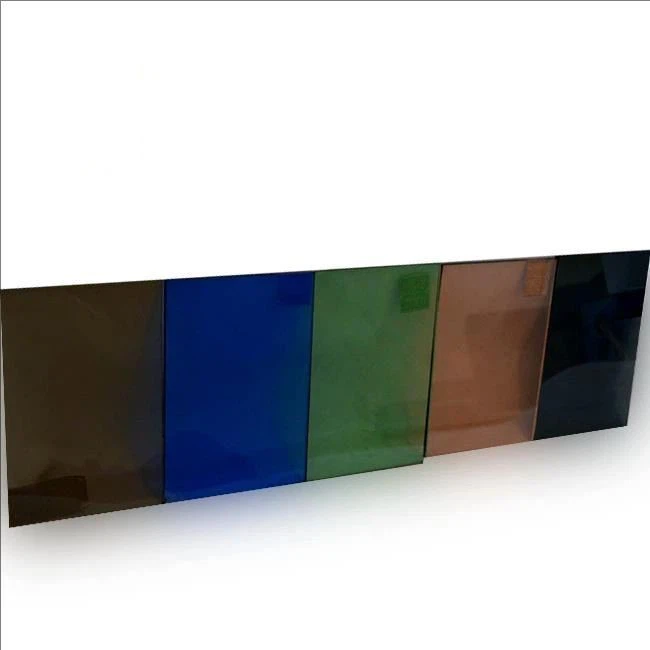

Colored Float Glass
Colored float glass is made by adding metal oxides to the glass melt during the manufacturing process. The addition of these metal oxides can sometimes slightly affect the surface hardness. However, in general, the surface hardness of colored float glass is still in the same range as our 19MM float glass. The main difference lies in the aesthetic properties, as colored float glass can provide different levels of light transmission and coloration.
Maintaining the Surface Hardness
To maintain the surface hardness and appearance of our 19MM float glass, proper care and handling are essential.
When cleaning the glass, it is recommended to use a soft, lint - free cloth and a mild glass cleaner. Avoid using abrasive cleaners or rough sponges, as these can scratch the surface of the glass.
During installation and transportation, care should be taken to prevent the glass from coming into contact with sharp or hard objects. Protective packaging should be used to ensure that the glass arrives at the destination in good condition.
Contact for Purchase and Negotiation
If you are interested in our 19MM float glass, we welcome you to contact us for purchase and negotiation. Our team of experts is ready to provide you with detailed product information, competitive pricing, and excellent customer service. Whether you need a small quantity for a residential project or a large - scale order for a commercial development, we can meet your needs.
References
- ASTM International. (2018). Standard Test Methods for Knoop and Vickers Hardness of Materials. ASTM E384 - 17e1.
- Scholes, C. A. (2001). Glass Science. Royal Society of Chemistry.
- Marcus, P. (2006). Handbook of Scratch Test: Scratch Adhesion Testing of Thin Films. Springer.
