

Hey there! I'm a supplier of lacquered glass, and today I'm gonna take you through the manufacturing process of this amazing product. Lacquered glass is super popular these days, used in all sorts of places like homes, offices, and commercial buildings. It gives a really sleek and modern look, and can be customized in tons of ways. So, let's dive right in!
Step 1: Glass Selection
The first step in making lacquered glass is choosing the right type of glass. We've got a few options here. Usually, we start with float glass because it's high - quality and has a smooth surface. Float glass is made by floating molten glass on a bed of molten tin, which results in a very flat and uniform sheet.
The thickness of the glass matters too. For different applications, we pick different thicknesses. For example, if it's going to be used in a small decorative piece, a thinner glass like 3mm or 4mm might work. But if it's for a large partition or a heavy - duty application, we'll go for 6mm, 8mm, or even thicker glass.
Step 2: Glass Cleaning
Once we've selected the glass, it's time to clean it thoroughly. This step is crucial because any dirt, dust, or grease on the glass surface can affect the adhesion of the lacquer. We use a special cleaning solution and a soft brush or cloth to scrub the glass gently. Then, we rinse it with clean water and let it dry completely. Sometimes, we use an air - drying system to speed up the process.
Step 3: Masking (if needed)
In some cases, we might want to create a pattern or leave certain areas of the glass un - lacquered. That's when masking comes in. We use a special masking tape to cover the parts of the glass that we don't want to be painted. The tape is carefully applied to ensure clean edges and a precise pattern. It takes a bit of skill to do this right, but it's worth it when we get the final result.
Step 4: Lacquer Application
Now, this is the fun part! There are a few different methods to apply the lacquer, and the one we choose depends on the specific requirements of the project.
Spray Coating
This is one of the most common methods. We use a spray gun to evenly apply the lacquer onto the glass surface. The spray gun atomizes the lacquer into tiny droplets, which are then evenly distributed across the glass. It gives a smooth and consistent finish. We have to be really careful with the spraying process. The distance between the spray gun and the glass, the air pressure, and the speed of spraying all need to be just right.
Roller Coating
Roller coating is another option, especially for larger glass panels. We use a roller to spread the lacquer over the glass. It's a bit more hands - on, but it can also be very effective. The roller helps to ensure that the lacquer is evenly distributed, and it can work well for creating a thicker coat of lacquer.
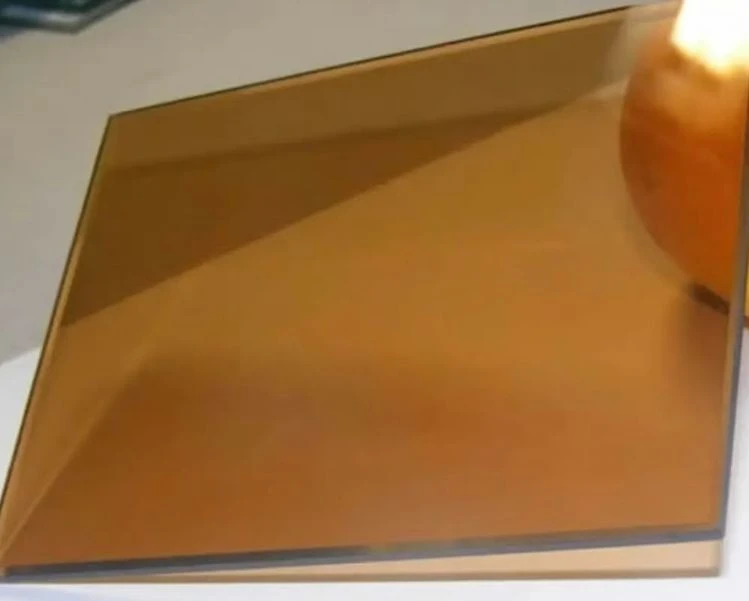
The lacquer we use comes in a wide range of colors and finishes. We can offer anything from a glossy finish for a really shiny look to a matte finish for a more subdued appearance. You can check out our Tinted Painted Glass for some examples of the cool colors and tints we can achieve.
Step 5: Drying and Curing
After the lacquer is applied, the glass needs to dry and cure. Drying is the process of the solvent in the lacquer evaporating, while curing is a chemical reaction that makes the lacquer hard and durable.
We usually use a drying oven to speed up the process. The glass is placed inside the oven at a specific temperature for a set amount of time. The temperature and time depend on the type of lacquer we're using. Some lacquers might need a lower temperature and a longer drying time, while others can handle a higher temperature for a shorter period.
During the curing process, the lacquer forms a strong bond with the glass surface. This makes the lacquered glass resistant to scratches, stains, and other types of damage.
Step 6: Quality Inspection
Once the glass has dried and cured, it goes through a strict quality inspection. We check for any defects like uneven coating, bubbles, or scratches on the lacquer surface. We use special tools and techniques to ensure that the glass meets our high - quality standards. If we find any issues, we'll either re - work the glass or, in some cases, reject it.
Step 7: Cutting and Shaping (if needed)
After the quality inspection, if the glass needs to be cut or shaped to fit a specific design, we use precision glass - cutting tools. We can cut the glass into different shapes like rectangles, circles, or even custom - made shapes. We also use grinding and polishing equipment to smooth the edges of the glass after cutting. This not only makes the glass safer to handle but also gives it a more professional look.
Step 8: Packaging
Finally, once the lacquered glass is ready, we carefully package it to prevent any damage during transportation. We use special packaging materials like foam, cardboard, and wooden crates. The glass is wrapped in foam to protect it from scratches, and then it's placed in a cardboard box or a wooden crate for added protection.
Different Applications of Lacquered Glass
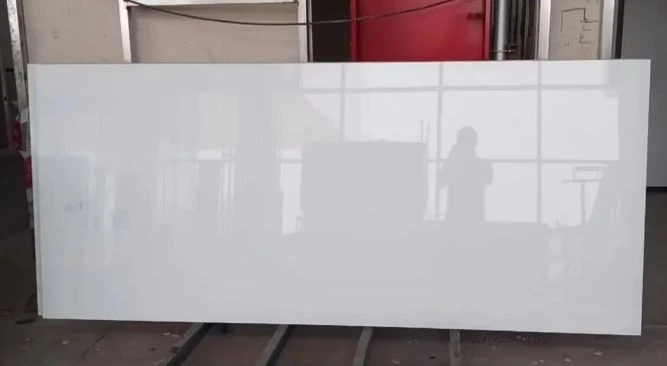
Lacquered glass has a ton of applications. In the home, it can be used for things like White Lacquered Glass for Wardrobe. It gives the wardrobe a modern and stylish look. In commercial buildings, it can be used for partitions, signage, and decorative elements. And in the art world, Colored Stained Glass is often used to create beautiful and unique pieces.
Why Choose Our Lacquered Glass?
As a supplier, we pride ourselves on providing high - quality lacquered glass. We use only the best materials and the latest manufacturing techniques. Our team of experts is always on hand to ensure that every piece of glass meets our strict quality standards. Whether you need a small piece for a DIY project or a large order for a commercial building, we can handle it.
If you're interested in our lacquered glass products, don't hesitate to get in touch. We'd love to discuss your specific requirements and help you find the perfect solution for your project. Whether it's about the color, the finish, or the size, we're here to assist you. Contact us today to start the conversation about your lacquered glass needs!
References
- Glass Manufacturing Handbook
- Decorative Glass Industry Reports
