

Hey there, fellow glass enthusiasts! I'm here as a tempered glass supplier to chat about something super important: ventilation requirements when using tempered glass.
First off, let's quickly understand what tempered glass is. It's a type of safety glass that's been heat - treated to increase its strength compared to regular glass. You'll find it in all sorts of places, from home windows to commercial buildings and even in some fancy cars.
Now, why is ventilation important when using tempered glass? Well, there are a few key reasons.
Temperature Regulation
Tempered glass can be affected by temperature changes. When sunlight hits the glass, it heats up. If there's no proper ventilation, the heat can build up, causing the glass to expand. And if this expansion isn't managed, it can lead to stress on the glass. Over time, this stress might result in the glass cracking or even shattering.
For example, in a closed - in room with large tempered glass windows and no ventilation, the temperature inside can rise significantly during the day. The glass absorbs the heat, and without a way for the hot air to escape, the glass gets hotter and hotter. This is where proper ventilation steps in. By allowing fresh air to circulate, we can keep the temperature around the glass more stable.
Let's say you're installing Colored Tempered Glass Sheets in a room. These colored sheets can absorb more heat compared to clear glass because of their pigmentation. So, you'd need to make sure there are vents or fans in the room to let the hot air out and bring in cooler air.
Moisture Control
Moisture is another big factor. When there's high humidity in an area with tempered glass, condensation can form on the glass surface. This not only looks bad but can also cause long - term damage. Condensation can seep into the edges of the glass, potentially affecting the seals. And if the moisture stays there for too long, it can lead to mold growth around the glass.
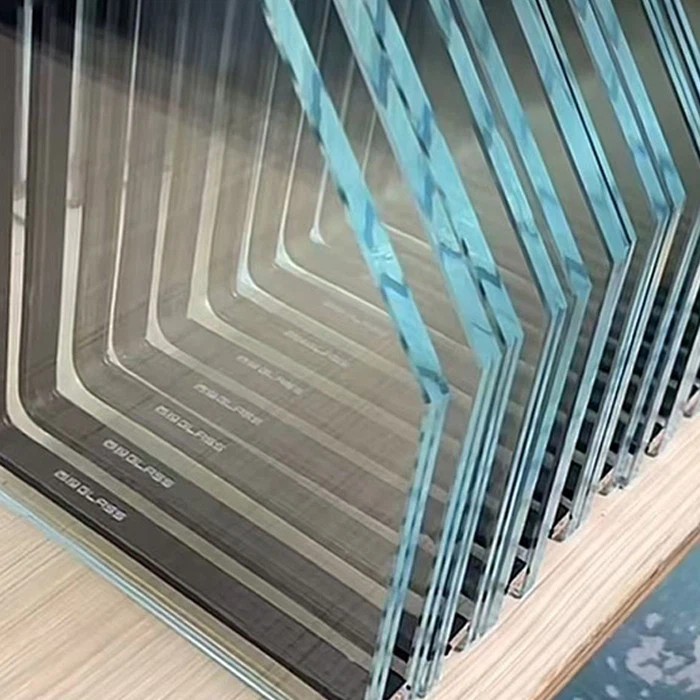
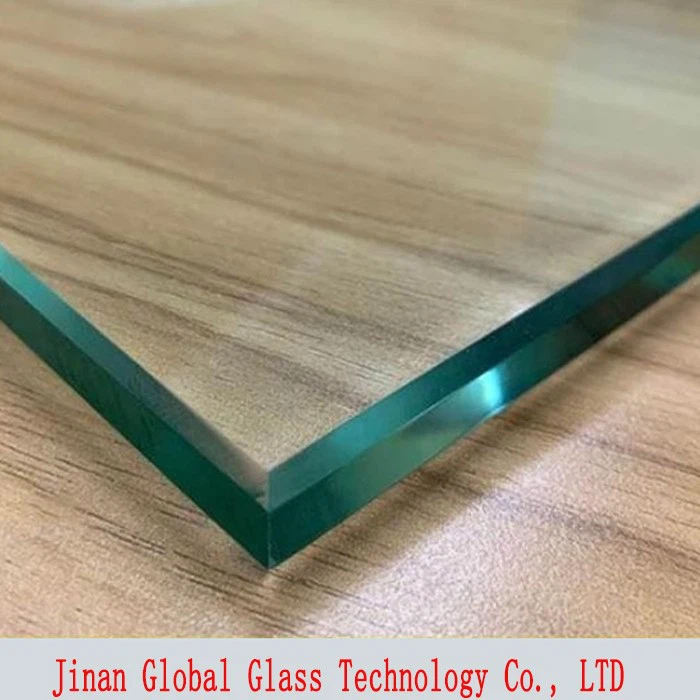
Imagine a bathroom with a large Safety Clear Tempered Glass shower screen. After a hot shower, the air in the bathroom is full of steam. Without proper ventilation, the steam will condense on the glass. To prevent this, you should have an exhaust fan in the bathroom. The fan will suck out the moist air, reducing the chances of condensation on the glass.
Air Quality
Good ventilation also helps in maintaining air quality. In buildings, there are often chemicals and pollutants in the air. These can come from cleaning products, furniture, or even the construction materials themselves. When these pollutants come in contact with tempered glass, they can leave stains or cause discoloration over time.
By having proper ventilation, we can remove these pollutants from the air around the glass. For instance, in an office building with Transparent PVB Laminated Glass for Building, a ventilation system can ensure that the air is constantly being filtered and refreshed. This keeps the glass looking clean and clear for longer.
Types of Ventilation
There are different types of ventilation systems that can be used with tempered glass.
Natural Ventilation
This is the simplest form. It involves using windows, vents, and doors to allow air to flow in and out naturally. For example, in a residential home, you can open the windows on opposite sides of a room to create a cross - breeze. This is a cost - effective way to ventilate, but it depends on the outside weather conditions. If it's too hot, cold, or windy outside, natural ventilation might not be enough.
Mechanical Ventilation
This includes fans and air - handling units. Exhaust fans, like the ones in bathrooms, are a common example of mechanical ventilation. They can be controlled to suck out the hot or moist air as needed. In larger commercial buildings, there are more complex air - handling systems that can regulate the temperature, humidity, and air quality throughout the building.
Ventilation Requirements for Different Applications
Residential Use
In homes, the ventilation requirements depend on the room where the tempered glass is installed. In the living room, if you have large glass windows, you can rely on natural ventilation by opening the windows. However, in areas like the kitchen and bathroom, mechanical ventilation is a must.
In the kitchen, a range hood can help remove the hot air and cooking fumes. And in the bathroom, an exhaust fan should be installed to deal with the steam from showers.
Commercial Use
Commercial buildings have more complex ventilation needs. In a shopping mall with large glass facades, a central ventilation system is required. This system can control the temperature and air quality across the entire building.
In an office building, the ventilation system needs to be designed to handle the number of people working inside. It should also be able to deal with the heat generated by electronic equipment.
How to Determine the Right Ventilation
Determining the right ventilation for tempered glass isn't always straightforward. It depends on several factors.
Size of the Glass
The larger the glass surface area, the more ventilation is needed. A small window will require less ventilation compared to a floor - to - ceiling glass wall.
Location
The location of the building also matters. If it's in a hot and humid climate, more ventilation will be needed to deal with the heat and moisture. On the other hand, in a cold climate, the ventilation system needs to be designed to prevent heat loss while still maintaining air quality.
Usage
How the space with the tempered glass is used is important. A room that's used for high - intensity activities, like a gym, will need more ventilation compared to a storage room.
Working with a Professional
If you're not sure about the ventilation requirements for your tempered glass installation, it's a good idea to work with a professional. An HVAC (Heating, Ventilation, and Air Conditioning) expert can assess your space and design a ventilation system that meets your needs.
As a tempered glass supplier, I've seen firsthand how proper ventilation can make a huge difference in the performance and longevity of the glass. If you're in the market for high - quality tempered glass products, whether it's Colored Tempered Glass Sheets, Safety Clear Tempered Glass, or Transparent PVB Laminated Glass for Building, don't hesitate to reach out. We can also provide some guidance on ventilation requirements based on your specific project.
So, if you're thinking about a new tempered glass installation or need to upgrade your existing one, get in touch for a chat. We're here to help you make the best choices for your glass and ventilation needs.
References
- ASHRAE Handbook - Fundamentals. This handbook provides detailed information on ventilation design and requirements for different types of buildings.
- Glass Association of North America (GANA) publications. They offer guidelines on the use and installation of glass, including ventilation considerations.
