

Hey there! I'm a supplier of 19MM Float Glass, and I've been in this industry for quite a while. Today, I wanna chat about something super important: the impact of impurities on 19MM float glass quality.
First off, let's quickly understand what 19MM float glass is. It's a type of glass with a thickness of 19 millimeters, and it's widely used in various applications like large - scale architectural projects, high - end commercial buildings, and some specialized industrial uses. You can find more details about it on our website 19MM Float Glass.
Now, let's dig into the world of impurities. Impurities in float glass can come from different sources. One of the main sources is the raw materials used in the glass - making process. Sand, soda ash, and limestone are the primary ingredients for making glass. But these raw materials often contain small amounts of other substances. For example, sand might have traces of iron oxide, which is a common impurity.
So, how do these impurities affect the quality of 19MM float glass?
Optical Properties
The optical properties of glass are crucial, especially when it's used in applications where clear visibility is required. Impurities can have a significant impact on the transparency and color of the glass.
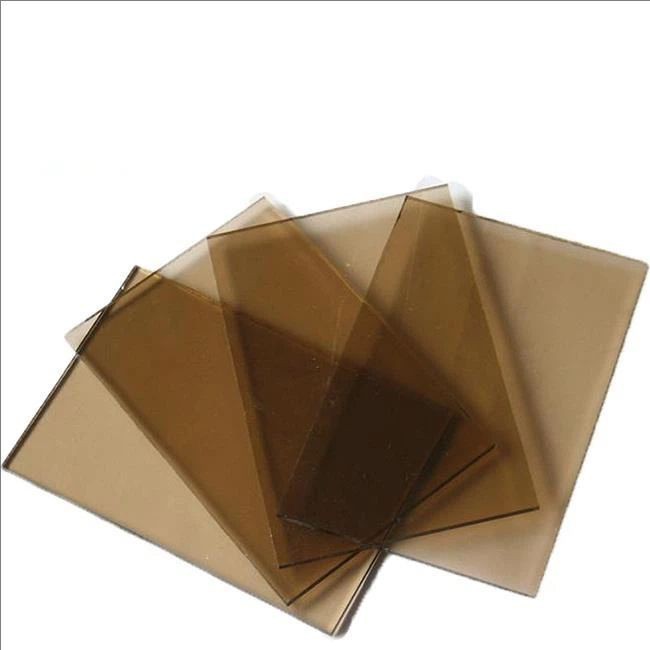
Iron oxide, for instance, can give the glass a greenish tint. In most cases, this is not desirable, especially for applications where a neutral or clear appearance is needed. If you're looking for a glass with better optical clarity, you might want to check out our Ultra - clear Float Glass. The ultra - clear glass is produced with a lower iron content, which reduces the greenish tint and provides a much clearer view.
Another optical issue caused by impurities is light scattering. Tiny particles of impurities can act as scattering centers for light. When light passes through the glass, it gets scattered in different directions, reducing the overall clarity and making the glass look hazy. This is a big no - no in applications like display cases or large windows where a sharp and clear view is essential.
Strength and Durability
Impurities can also affect the strength and durability of 19MM float glass. Some impurities can create weak points within the glass structure. For example, if there are small inclusions of foreign materials, these can act as stress concentrators. When the glass is subjected to external forces, like wind pressure or impact, these weak points are more likely to crack or break.
Moreover, certain impurities can react with the surrounding environment. For example, if there are traces of soluble salts in the glass, they can absorb moisture from the air. Over time, this can lead to the formation of small cracks or surface defects, which can compromise the integrity of the glass. In architectural applications, where the glass needs to withstand various weather conditions, this can be a serious problem.

Chemical Resistance
The chemical resistance of glass is important, especially in industrial settings where the glass might come into contact with different chemicals. Impurities can reduce the glass's ability to resist chemical attacks. Some impurities can react with acids or alkalis, causing the glass surface to corrode.
For example, if the glass contains reactive metal oxides, they can react with acidic substances. This can lead to the formation of a thin layer of corrosion on the glass surface, which not only affects the appearance but also the functionality of the glass. In applications like chemical laboratories or factories, where the glass is exposed to harsh chemicals, a high - quality glass with good chemical resistance is essential.
Aesthetic Appeal
In addition to the practical aspects, the aesthetic appeal of 19MM float glass is also affected by impurities. As mentioned earlier, the color tint caused by impurities can make the glass look less appealing. In architectural design, the appearance of the glass is often a key factor. Architects and designers want a glass that can blend in with the overall design or make a statement.
Colored impurities can also cause uneven color distribution in the glass. This can be particularly noticeable in large glass panels, where it can create an unprofessional and inconsistent look. If you're interested in colored glass with a more controlled and appealing color, you can take a look at our Colored Float Glass. Our colored float glass is produced with precise control over the coloring agents, ensuring a uniform and attractive color.
How We Deal with Impurities
As a 19MM float glass supplier, we take the issue of impurities very seriously. We have a strict quality control system in place. First, we carefully select our raw materials. We source high - quality sand, soda ash, and limestone from reliable suppliers. Before using these raw materials, we conduct thorough tests to ensure that the impurity levels are within an acceptable range.
During the glass - making process, we use advanced purification techniques. For example, we use melting and refining processes that help to remove or reduce the impurities. We also have in - line quality monitoring systems that continuously check the quality of the glass as it's being produced. If any issues related to impurities are detected, we can take immediate corrective actions.
Conclusion
In conclusion, impurities can have a wide - ranging impact on the quality of 19MM float glass. They can affect the optical properties, strength, durability, chemical resistance, and aesthetic appeal of the glass. As a supplier, we're committed to providing high - quality 19MM float glass with minimal impurities.
If you're in the market for 19MM float glass or any other type of glass products, I encourage you to reach out to us for a procurement discussion. We can offer you detailed information about our products, help you choose the right glass for your specific needs, and provide competitive pricing.
References
- "Handbook of Glass Manufacture", various authors, published by some well - known publisher in the glass industry.
- Industry research reports on float glass quality and impurity control.
