

As a supplier of low-e glass, I often get asked about the emissivity of low-e glass. Emissivity is a crucial property that determines how well a material radiates thermal energy. In the context of low-e glass, it plays a significant role in enhancing energy efficiency in buildings.
Understanding Emissivity
Emissivity is defined as the ratio of the thermal radiation emitted by a surface to the thermal radiation emitted by a perfect black body at the same temperature. A perfect black body has an emissivity of 1, meaning it radiates all the thermal energy it absorbs. In contrast, a material with an emissivity of 0 would not radiate any thermal energy.
Low-e glass is designed to have a very low emissivity. This means that it reflects a large portion of the infrared radiation, which is responsible for heat transfer. By reducing the amount of heat that is transferred through the glass, low-e glass helps to keep buildings cooler in the summer and warmer in the winter.
How Low-e Glass Achieves Low Emissivity
Low-e glass achieves its low emissivity through the application of a thin, transparent metallic or metallic oxide coating on the surface of the glass. This coating is so thin that it is virtually invisible to the naked eye, but it has a significant impact on the glass's thermal properties.
The coating is typically made of materials such as silver, tin oxide, or titanium dioxide. These materials have high reflectivity in the infrared spectrum, which allows them to reflect a large portion of the heat that would otherwise pass through the glass. At the same time, the coating is designed to be transparent in the visible spectrum, so it does not significantly affect the clarity or appearance of the glass.
Types of Low-e Glass and Their Emissivity
There are two main types of low-e glass: hard-coated and soft-coated. Each type has different characteristics and emissivity values.
Hard Coated Low-E Glass
Hard coated low-e glass, also known as pyrolytic low-e glass, is produced by applying the coating during the float glass manufacturing process. The coating is fused to the glass surface at high temperatures, resulting in a durable and scratch-resistant coating.
Hard coated low-e glass typically has an emissivity value in the range of 0.2 to 0.3. While this is higher than the emissivity of soft-coated low-e glass, it is still significantly lower than that of standard clear glass, which has an emissivity of around 0.84. Hard Coated Low-E Glass is a popular choice for applications where durability is a concern, such as in commercial buildings and high-traffic areas.
Soft Coated Low-E Glass
Soft coated low-e glass, also known as sputter-coated low-e glass, is produced by depositing the coating onto the glass surface using a vacuum sputtering process. This process allows for a more precise control of the coating thickness and composition, resulting in a lower emissivity value.
Soft coated low-e glass typically has an emissivity value in the range of 0.05 to 0.15. This makes it more effective at reducing heat transfer compared to hard coated low-e glass. However, the coating is more delicate and requires special handling and installation procedures to prevent damage. Soft coated low-e glass is commonly used in residential applications and in areas where energy efficiency is a top priority.
Benefits of Low Emissivity in Low-e Glass
The low emissivity of low-e glass offers several benefits for building owners and occupants.
Energy Efficiency
One of the primary benefits of low-e glass is its ability to improve energy efficiency in buildings. By reducing the amount of heat transfer through the glass, low-e glass helps to reduce the need for heating and cooling systems, resulting in lower energy consumption and cost savings.
In the summer, low-e glass reflects the sun's infrared radiation, preventing it from entering the building and heating up the interior. This helps to keep the building cooler and reduces the load on air conditioning systems. In the winter, low-e glass reflects the heat radiated from the interior of the building back inside, helping to keep the building warm and reducing the need for heating.
Comfort
Low-e glass also improves the comfort of building occupants. By reducing the amount of heat transfer through the glass, it helps to maintain a more consistent indoor temperature, reducing hot and cold spots near windows. This can make the building more comfortable to live or work in, especially in extreme weather conditions.

UV Protection
In addition to reducing heat transfer, low-e glass also provides some protection against ultraviolet (UV) radiation. UV radiation can cause fading and damage to furniture, flooring, and other interior finishes. Low-e glass can block a significant portion of the UV radiation, helping to protect these materials and extend their lifespan.
Applications of Low-e Glass
Low-e glass is widely used in a variety of applications, including residential and commercial buildings, as well as in automotive and aerospace industries.
Residential Buildings
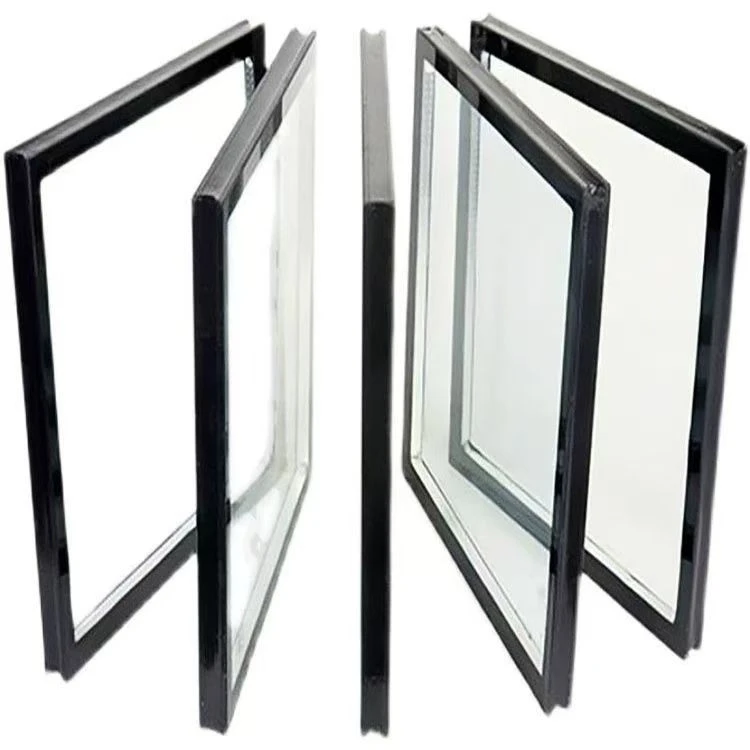
In residential buildings, low-e glass is commonly used in windows and doors to improve energy efficiency and comfort. It can be used in single-pane, double-pane, or triple-pane windows, depending on the specific requirements of the building. Double Pane Low-e Glass is a popular choice for residential applications, as it provides a good balance between energy efficiency and cost.
Commercial Buildings
In commercial buildings, low-e glass is used in large-scale applications such as curtain walls, storefronts, and skylights. It helps to reduce the energy consumption of the building and improve the comfort of the occupants. Low-e Glass Panels are often used in commercial buildings to create a modern and energy-efficient façade.
Automotive and Aerospace Industries
Low-e glass is also used in the automotive and aerospace industries to improve the energy efficiency and comfort of vehicles. In cars, low-e glass can be used in windshields and windows to reduce the heat transfer and improve the air conditioning efficiency. In airplanes, low-e glass can be used in cabin windows to reduce the heat load and improve the comfort of passengers.
Conclusion
The emissivity of low-e glass is a critical property that determines its ability to reduce heat transfer and improve energy efficiency. By having a low emissivity, low-e glass reflects a large portion of the infrared radiation, helping to keep buildings cooler in the summer and warmer in the winter.
As a supplier of low-e glass, we offer a wide range of products with different emissivity values to meet the specific needs of our customers. Whether you are building a new home, renovating a commercial building, or looking for energy-efficient solutions for your vehicle, we can provide you with the right low-e glass products.
If you are interested in learning more about our low-e glass products or would like to discuss your specific requirements, please feel free to contact us. We look forward to working with you to create energy-efficient and comfortable spaces.
References
- ASHRAE Handbook - Fundamentals. American Society of Heating, Refrigerating and Air-Conditioning Engineers, Inc.
- Glass Association of North America. Technical Information and Resources for the Glass Industry.
