

Hey there! As a lacquered glass supplier, I often get asked about the difference between painted glass and lacquered glass. It's a common question, and today, I'm gonna break it down for you.
Let's start with painted glass. Painted glass is exactly what it sounds like - glass that has been painted. The paint is usually applied directly to the surface of the glass. This can be done using various techniques, like brush - painting, spray - painting, or even stenciling.
One of the key features of painted glass is its versatility in terms of design. You can create just about any pattern or image you want on the glass. For example, artists might use painted glass to make beautiful murals or decorative pieces. It's also great for creating custom - made signs or art installations. If you're interested in some painted glass products, check out Painted Glass Wall Panels. They offer a wide range of options for adding a unique touch to your space.
However, painted glass does have its limitations. The paint on the glass can be prone to chipping or scratching, especially if it's not properly protected. Over time, exposure to sunlight, moisture, or physical contact can cause the paint to fade or peel. Also, the durability of the paint job depends a lot on the quality of the paint used and the skill of the person applying it.
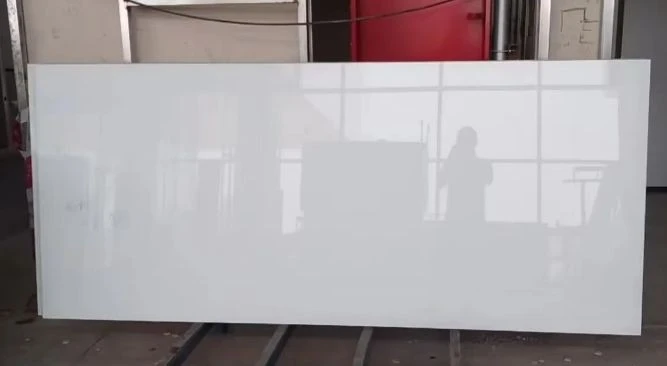
Now, let's talk about lacquered glass. Lacquered glass is made by applying a layer of lacquer to the glass. Lacquer is a type of coating that is known for its durability and smooth finish. Unlike paint, lacquer forms a hard, protective layer on the glass surface.
One of the biggest advantages of lacquered glass is its durability. It can withstand a lot of wear and tear, making it suitable for high - traffic areas. For instance, in commercial buildings, lacquered glass can be used for partitions, doors, or wall cladding. It's also resistant to moisture, so it's a great choice for bathrooms or kitchens.
Another benefit of lacquered glass is its aesthetic appeal. The lacquer gives the glass a sleek, modern look. You can choose from a variety of colors, including solid colors, metallic finishes, and even translucent options. If you're into a more contemporary style, Tinted Painted Glass offers some really cool options that can add a touch of sophistication to your interior.
In terms of application, lacquered glass is relatively easy to install. It can be cut and shaped to fit different design requirements. And because the lacquer is applied in a controlled environment, the finish is usually very consistent across the entire surface of the glass.
When it comes to maintenance, lacquered glass is a breeze. You can simply wipe it clean with a mild glass cleaner and a soft cloth. There's no need for any special treatments or coatings to keep it looking good.
But how do you decide between painted glass and lacquered glass? Well, it really depends on your specific needs and preferences. If you're looking for a one - of - a - kind, artistic piece that doesn't need to withstand a lot of abuse, painted glass might be the way to go. On the other hand, if you need a durable, low - maintenance option for a commercial or high - use area, lacquered glass is the better choice.
Let's also take a look at the cost factor. Generally speaking, painted glass can be more affordable, especially if you're doing a small - scale project or if you're using basic paint. However, if you're going for a high - quality, professional - grade paint job, the cost can add up. Lacquered glass, on the other hand, might have a higher upfront cost, but considering its durability and long - term benefits, it can be a cost - effective option in the long run.
Another aspect to consider is the environmental impact. Some paints can contain harmful chemicals, such as volatile organic compounds (VOCs), which can be released into the air during the painting process. Lacquers can also have VOCs, but there are now many low - VOC and eco - friendly lacquer options available on the market. So, if environmental sustainability is important to you, make sure to do your research and choose the option that aligns with your values.
Now, let's talk about some of the specific uses of these two types of glass. In the residential setting, painted glass can be used to create unique window treatments, like stained - glass - style panels. You can also use it for decorative mirrors or to add a pop of color to a room. For example, Colored Stained Glass can be used to make beautiful accent pieces that really stand out.
In commercial spaces, lacquered glass is often used for branding and signage. Its smooth, reflective surface can make your logo or brand name really pop. It's also used in retail stores for display cases and partitions, as it provides a modern and professional look.
In conclusion, both painted glass and lacquered glass have their own unique features and benefits. Whether you choose painted glass for its artistic potential or lacquered glass for its durability, there are plenty of options available to suit your needs.
If you're interested in purchasing lacquered glass for your next project, I'd love to have a chat with you. I can provide you with more information about our products, including color options, sizes, and pricing. Feel free to reach out and start a conversation about your requirements. We're here to help you find the perfect solution for your space.

References
- General knowledge about glass manufacturing and finishing techniques
- Industry reports on the use of painted and lacquered glass in different settings
