

As a seasoned tempered glass supplier, I've witnessed firsthand the critical role that tempered glass plays in various industries. From architectural marvels to everyday household items, tempered glass offers a unique combination of strength, safety, and aesthetic appeal. But what exactly are the standards for tempered glass? In this blog post, I'll delve into the key criteria that define high - quality tempered glass, providing you with a comprehensive understanding of what to look for when making a purchase.
Strength and Durability
One of the primary characteristics of tempered glass is its exceptional strength. Tempered glass is created through a process of heating and rapid cooling, which creates internal stresses that make the glass much stronger than regular annealed glass. According to ASTM C1048, a widely recognized standard in the United States, tempered glass must have a surface compression of at least 10,000 pounds per square inch (psi). This high level of compression allows tempered glass to withstand significant impact and pressure without breaking easily.
In practical terms, this means that tempered glass can be used in applications where safety and durability are paramount. For example, in architectural settings, tempered glass is commonly used for windows, doors, and curtain walls. These structures are often exposed to harsh weather conditions, such as strong winds and flying debris, and tempered glass can provide the necessary protection. Similarly, in the automotive industry, tempered glass is used for side and rear windows, as it can resist the impact of collisions and prevent shattering.
Safety Features
Another crucial aspect of tempered glass is its safety features. When tempered glass breaks, it shatters into small, granular pieces rather than large, sharp shards. This characteristic significantly reduces the risk of injury, making tempered glass an ideal choice for applications where human safety is a concern.
The safety performance of tempered glass is regulated by international standards, such as the European Standard EN 12150. This standard specifies the requirements for the fragmentation of tempered glass. When tested, a 100mm x 100mm area of the broken glass should contain a minimum number of fragments, and the fragments should not have sharp edges. This ensures that even in the event of breakage, the glass poses minimal risk to people nearby.
Optical Quality
In addition to strength and safety, the optical quality of tempered glass is also an important consideration. High - quality tempered glass should have excellent clarity and minimal distortion. This is particularly important in applications where visual aesthetics are crucial, such as display cases, storefronts, and interior partitions.
The optical quality of tempered glass is evaluated based on factors such as light transmission, haze, and color uniformity. ASTM C1036 provides guidelines for the optical properties of flat glass, including tempered glass. According to this standard, tempered glass should have a light transmission of at least 88% for clear glass, and the haze should be less than 1%. These requirements ensure that the glass provides a clear and unobstructed view.
Thermal Resistance
Tempered glass also exhibits good thermal resistance, which makes it suitable for use in environments with significant temperature variations. The heating and cooling process during tempering enhances the glass's ability to withstand thermal stress.
For example, in commercial kitchens, tempered glass is often used for oven doors and backsplashes. These areas are exposed to high temperatures from cooking appliances, and tempered glass can resist thermal shock without cracking or breaking. The thermal performance of tempered glass is typically measured by its ability to withstand a certain temperature difference without failure.
Chemical Resistance
In some applications, tempered glass may be exposed to various chemicals, such as cleaning agents and environmental pollutants. Therefore, it should have adequate chemical resistance to maintain its integrity over time.
The chemical resistance of tempered glass depends on its composition and surface treatment. High - quality tempered glass is designed to resist corrosion and chemical attack. For example, in the marine industry, tempered glass is used for portholes and windows on ships. These structures are exposed to saltwater and other corrosive substances, and the glass must be able to withstand these conditions without deteriorating.
Our Product Offerings
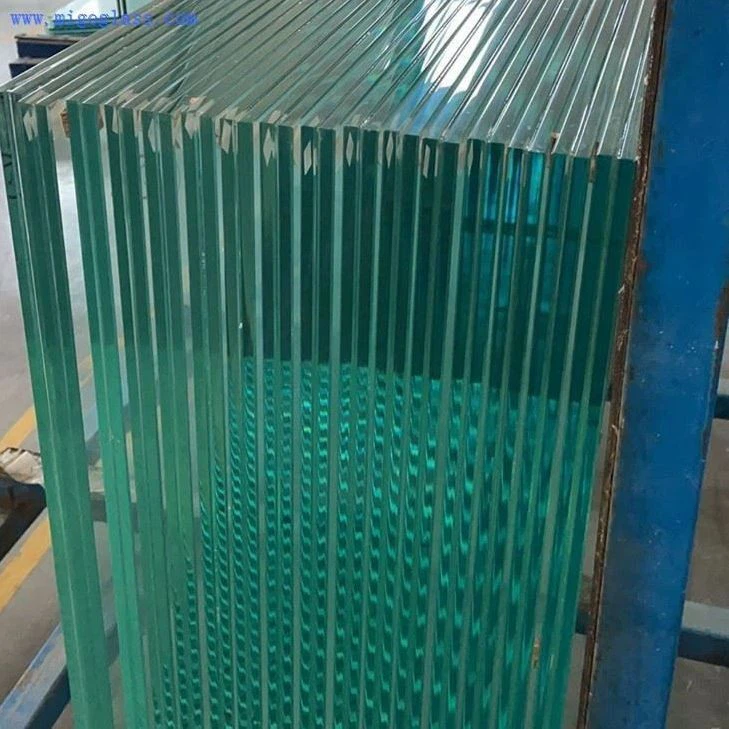
As a leading tempered glass supplier, we offer a wide range of tempered glass products that meet and exceed the industry standards. Our Fully Tempered Float Glass is made from high - quality float glass and undergoes a precise tempering process to ensure maximum strength and safety. It is available in various thicknesses and sizes to suit different applications.
Our Tempered Safety Glass is specifically designed for applications where safety is the top priority. It has excellent fragmentation characteristics and meets all relevant safety standards. Whether you need it for residential or commercial use, our tempered safety glass provides reliable protection.
We also offer Transparent PVB Laminated Glass for Building. This type of glass combines the strength of tempered glass with the added safety of a PVB interlayer. In the event of breakage, the PVB interlayer holds the glass fragments together, preventing them from falling and causing injury. It is an ideal choice for building facades, skylights, and other architectural applications.
Conclusion
In conclusion, the standards for tempered glass encompass a wide range of factors, including strength, safety, optical quality, thermal resistance, and chemical resistance. These standards ensure that tempered glass is a reliable and high - performance material for various applications. As a tempered glass supplier, we are committed to providing our customers with products that meet the highest industry standards.

If you are in the market for tempered glass, we invite you to contact us for more information. Our team of experts can help you select the right product for your specific needs and provide you with a competitive quote. We look forward to the opportunity to work with you and contribute to the success of your projects.
References
- ASTM C1048 - Standard Specification for Heat - Treated Flat Glass – Kind HS, Kind FT
- ASTM C1036 - Standard Specification for Flat Glass
- EN 12150 - Safety glazing in building - Heat - treated soda lime silicate safety glass
