

Pattern glass, known for its aesthetic appeal and practical applications, is a popular choice in various settings. As a pattern glass supplier, I often encounter inquiries about the scratch resistance of this type of glass. In this blog post, I will delve into the factors that affect the scratch resistance of pattern glass, explore its performance in different scenarios, and provide insights to help you make informed decisions.
Understanding Pattern Glass
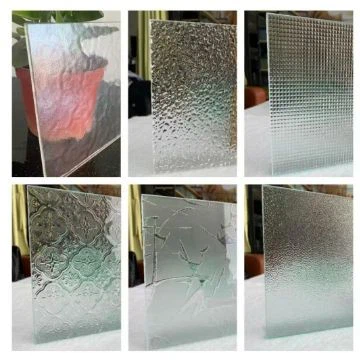
Pattern glass is a type of decorative glass that features various patterns or textures on its surface. These patterns can be created through different manufacturing processes, such as rolling, embossing, or acid etching. Pattern glass is commonly used in windows, doors, partitions, and other architectural applications to add privacy, enhance aesthetics, and control light transmission.
There are different types of pattern glass available in the market, including Transparent Patterned Glass, Patterned Glass Door Panels, and Decorative Patterned Glass. Each type has its own unique characteristics and applications, but they all share the common feature of having a patterned surface.
Factors Affecting Scratch Resistance
The scratch resistance of pattern glass depends on several factors, including the type of glass, the manufacturing process, the pattern design, and the environment in which it is used.
Type of Glass
The type of glass used in pattern glass plays a significant role in its scratch resistance. Generally, tempered glass is more scratch-resistant than annealed glass. Tempered glass is heat-treated to increase its strength and durability, making it less prone to scratching. On the other hand, annealed glass is a standard type of glass that is not heat-treated and is more susceptible to scratches.
Manufacturing Process
The manufacturing process used to create the pattern on the glass can also affect its scratch resistance. Glass that is embossed or rolled during the manufacturing process may have a more textured surface, which can make it more resistant to scratches. Acid-etched glass, on the other hand, has a smoother surface that may be more prone to scratching.
Pattern Design
The pattern design on the glass can also impact its scratch resistance. Patterns that have a more complex or detailed design may be more prone to scratching, as the edges and corners of the pattern can catch on objects and cause scratches. Patterns that have a simpler or more uniform design may be more scratch-resistant.
Environment
The environment in which the pattern glass is used can also affect its scratch resistance. Glass that is exposed to harsh chemicals, abrasive materials, or high levels of traffic may be more prone to scratching. For example, pattern glass used in a commercial setting, such as a storefront or a restaurant, may be more likely to get scratched than glass used in a residential setting.
Scratch Resistance Testing
To determine the scratch resistance of pattern glass, various testing methods can be used. One common method is the pencil hardness test, which involves using pencils of different hardness levels to scratch the surface of the glass. The hardness of the pencil that does not scratch the glass is then recorded as the scratch resistance of the glass.
Another method is the Taber abrasion test, which involves rubbing the surface of the glass with an abrasive wheel for a specified number of cycles. The amount of material removed from the glass surface is then measured to determine its scratch resistance.
These testing methods can provide valuable information about the scratch resistance of pattern glass, but it is important to note that the results may vary depending on the specific type of glass, the manufacturing process, and the testing conditions.
Performance in Different Scenarios
Pattern glass can perform differently in various scenarios, depending on its scratch resistance and the environment in which it is used.
Residential Applications
In residential applications, pattern glass is often used in windows, doors, and partitions to add privacy and enhance aesthetics. In this setting, the glass is typically exposed to less traffic and abrasive materials than in a commercial setting. As a result, pattern glass with a moderate level of scratch resistance may be sufficient for most residential applications.
Commercial Applications
In commercial applications, such as storefronts, restaurants, and offices, pattern glass may be exposed to higher levels of traffic and abrasive materials. In this setting, it is important to choose pattern glass with a high level of scratch resistance to ensure its durability and longevity. Tempered glass or glass with a protective coating may be a good choice for commercial applications.

Outdoor Applications
Pattern glass used in outdoor applications, such as patio doors or pool enclosures, may be exposed to harsh weather conditions, such as rain, wind, and sunlight. In this setting, it is important to choose pattern glass that is resistant to weathering and UV radiation, as well as scratches. Glass with a protective coating or a high level of scratch resistance may be a good choice for outdoor applications.
Maintenance and Care
Proper maintenance and care can help to extend the lifespan of pattern glass and reduce the risk of scratching. Here are some tips for maintaining and caring for pattern glass:
- Clean the glass regularly: Use a mild glass cleaner and a soft cloth to clean the glass surface. Avoid using abrasive cleaners or materials, as they can scratch the glass.
- Avoid using sharp objects: Do not use sharp objects, such as knives or scissors, near the pattern glass, as they can easily scratch the surface.
- Use protective pads: If you need to place objects on the pattern glass, use protective pads or coasters to prevent scratches.
- Repair scratches promptly: If you notice a scratch on the pattern glass, it is important to repair it promptly to prevent further damage. There are various scratch repair kits available on the market that can be used to repair minor scratches.
Conclusion
In conclusion, the scratch resistance of pattern glass depends on several factors, including the type of glass, the manufacturing process, the pattern design, and the environment in which it is used. While pattern glass can be scratch-resistant to some extent, it is important to choose the right type of glass and take proper care of it to ensure its durability and longevity.
As a pattern glass supplier, I offer a wide range of pattern glass products with different levels of scratch resistance to meet the needs of various applications. Whether you are looking for pattern glass for a residential, commercial, or outdoor application, I can help you find the right product for your project.
If you are interested in purchasing pattern glass or have any questions about its scratch resistance, please feel free to contact me. I would be happy to discuss your requirements and provide you with more information about our products and services.
References
- ASTM International. (2023). Standard Test Method for Abrasion Resistance of Organic Coatings by the Taber Abraser. ASTM D4060-19.
- ASTM International. (2023). Standard Test Method for Film Hardness by Pencil Test. ASTM D3363-20.
