

As a supplier of 19MM Float Glass, I've often been asked about the environmental friendliness of our product. In this blog, I'll delve into the various aspects that determine whether 19MM float glass can be considered environmentally friendly.
Manufacturing Process
The production of 19MM float glass involves several key steps, and understanding these processes is crucial in evaluating its environmental impact. Float glass is made by floating molten glass on a bed of molten tin. This method allows for the creation of a smooth and uniform surface, which is highly desirable for a wide range of applications.
During the melting process, large amounts of energy are required to heat the raw materials, typically silica sand, soda ash, and limestone, to extremely high temperatures. This energy consumption is often a significant source of greenhouse gas emissions, especially if the energy is derived from fossil fuels. However, many modern glass manufacturing plants are increasingly turning to renewable energy sources such as solar, wind, or hydroelectric power to reduce their carbon footprint.
In addition to energy consumption, the manufacturing process also generates waste products. For example, the molten tin bath needs to be periodically cleaned, resulting in the generation of tin dross and other residues. These waste materials need to be properly managed to prevent environmental pollution. Some glass manufacturers have implemented recycling programs to reuse the tin and other materials, which not only reduces waste but also conserves natural resources.
Energy Efficiency
One of the significant advantages of 19MM float glass is its potential for energy efficiency. When used in building applications, such as windows and facades, thick float glass can provide better insulation compared to thinner glass. This means that buildings with 19MM float glass windows can reduce heat transfer, resulting in lower energy consumption for heating and cooling.
The energy efficiency of float glass can be further enhanced through various coatings and treatments. For example, low-emissivity (Low-E) coatings can be applied to the glass surface to reduce the amount of infrared radiation passing through the glass. This helps to keep the interior of the building warm in the winter and cool in the summer, thereby reducing the need for artificial heating and cooling systems.
Moreover, 19MM float glass can also be used in combination with other energy-efficient building materials, such as insulation and shading devices, to create a more sustainable building envelope. By reducing energy consumption, buildings with 19MM float glass can contribute to a significant reduction in greenhouse gas emissions over their lifespan.
Durability and Longevity
Another important factor in assessing the environmental friendliness of 19MM float glass is its durability and longevity. Float glass is known for its strength and resistance to wear and tear, which means that it can last for many years without needing to be replaced. This reduces the frequency of glass production and disposal, thereby conserving natural resources and reducing waste.
In addition, the long lifespan of 19MM float glass also means that it can continue to provide energy efficiency benefits over an extended period. For example, a building with well-maintained 19MM float glass windows can enjoy energy savings for decades, offsetting the initial environmental impact of the glass production.
Recycling
Recycling is a key aspect of environmental sustainability, and float glass is highly recyclable. At the end of its useful life, 19MM float glass can be collected, crushed, and melted down to produce new glass products. This recycling process requires less energy compared to the production of new glass from raw materials, as the recycled glass already has the desired chemical composition.
Many glass recycling facilities accept float glass, and there are often local recycling programs available for consumers and businesses. By recycling 19MM float glass, we can reduce the demand for virgin materials and minimize the environmental impact of glass production.
Comparison with Other Materials
When evaluating the environmental friendliness of 19MM float glass, it's also important to compare it with other materials commonly used in similar applications. For example, compared to plastic or aluminum, glass is a more sustainable option in terms of its long-term environmental impact.
Plastic is often associated with environmental problems such as pollution and littering, as well as the depletion of fossil fuels. Aluminum production, on the other hand, is energy-intensive and requires large amounts of bauxite ore, a non-renewable resource. In contrast, glass is made from abundant natural materials and can be recycled indefinitely.
Conclusion
In conclusion, 19MM float glass can be considered environmentally friendly when considering its energy efficiency, durability, recyclability, and compared to other materials. However, the environmental impact of float glass production can be further reduced by implementing sustainable manufacturing practices, such as using renewable energy sources and recycling waste materials.
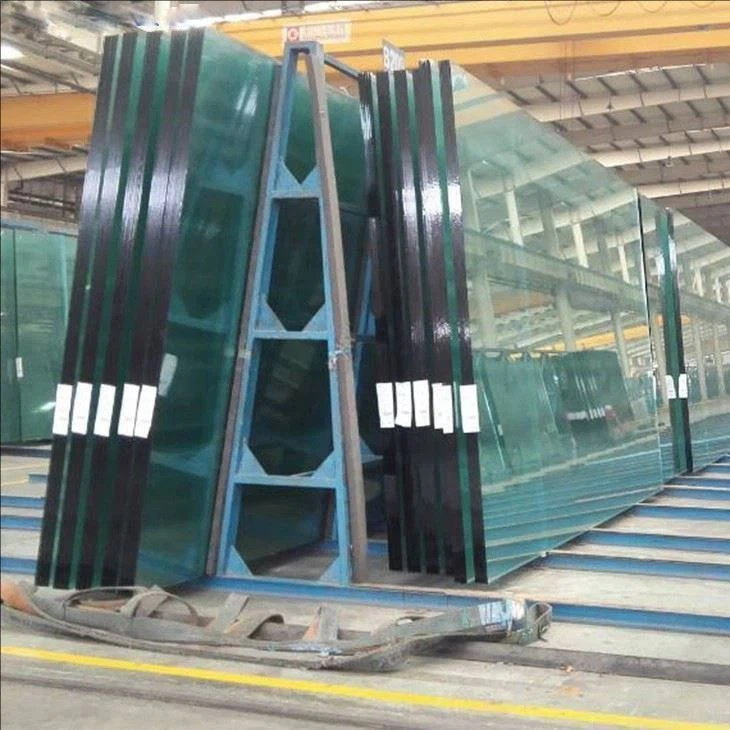
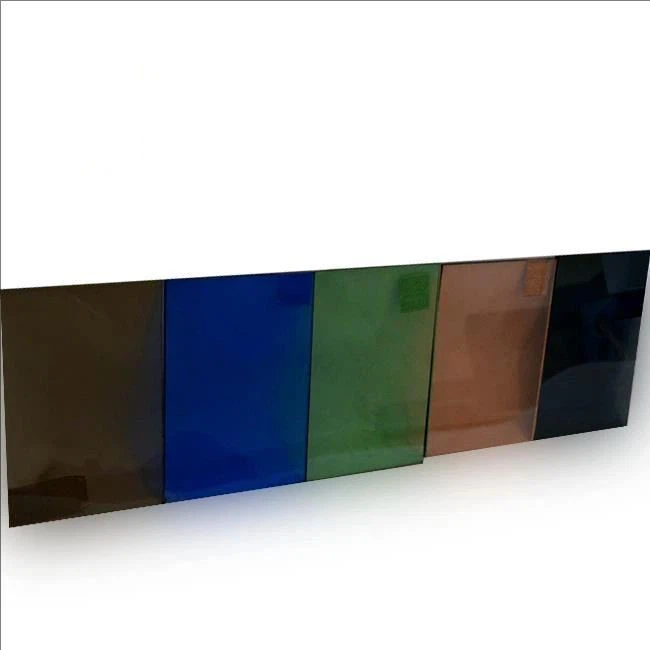
As a supplier of Ultra-clear Float Glass, Colored Float Glass, and 19MM Float Glass, we are committed to promoting the use of sustainable glass products. We believe that by choosing our 19MM float glass, you can not only enjoy the benefits of high-quality glass but also contribute to a more sustainable future.
If you're interested in purchasing 19MM float glass for your next project, we invite you to contact us for a consultation. Our team of experts can provide you with detailed information about our products and help you find the best solution for your specific needs.
References
- "The Glass Industry: Environmental and Energy Issues." Glass Association of North America.
- "Energy Efficiency in Buildings." International Energy Agency.
- "Recycling Glass: A Sustainable Solution." Environmental Protection Agency.
