

Hey there! As a float glass supplier, I'm super excited to take you behind the scenes and show you how float glass is made. It's a fascinating process that combines science, technology, and a whole lot of precision. So, let's dive right in!
The Raw Materials
The first step in making float glass is gathering the raw materials. These materials are the building blocks that will eventually transform into the smooth, clear glass we all know and love. The main ingredients include silica sand, soda ash, limestone, and dolomite. Each of these materials plays a crucial role in the glass - making process.
Silica sand is the primary component, making up about 70% of the glass. It provides the basic structure of the glass. Soda ash, on the other hand, lowers the melting point of the silica sand, making it easier to work with. Limestone and dolomite help to strengthen the glass and improve its chemical resistance.
We source these raw materials from reliable suppliers. Quality control is key here, as the purity and consistency of the raw materials can significantly affect the final quality of the float glass. Once we have all the raw materials, they are carefully weighed and mixed together in specific proportions. This mixture is often called the "batch."
Melting the Batch
After the batch is prepared, it's time to melt it down. The batch is fed into a large furnace, which can reach temperatures of up to 1500 degrees Celsius (2732 degrees Fahrenheit). These incredibly high temperatures are necessary to turn the solid batch into a molten liquid.
The furnace is a massive piece of equipment, usually lined with refractory bricks that can withstand the intense heat. Inside the furnace, the batch undergoes a series of chemical reactions. The soda ash helps to break down the silica sand, and the limestone and dolomite react to form a clear, homogeneous molten glass.
The melting process can take several hours, and it needs to be carefully monitored. Any fluctuations in temperature or changes in the chemical composition can lead to defects in the final glass product. That's why we have advanced monitoring systems in place to ensure everything stays on track.
The Float Process
Once the glass is melted, it's time for the most critical part of the process: the float process. This is where the magic happens, and the glass gets its smooth, flat surface.
The molten glass is carefully fed onto a large bath of molten tin. Tin is used because it has a high density and a low reactivity with glass. The glass floats on top of the tin like a layer of oil on water, spreading out evenly to form a continuous sheet.
As the glass floats on the tin bath, it cools and solidifies gradually. The temperature is carefully controlled along the length of the tin bath. At the entrance, the glass is very hot and soft, but as it moves along, it cools down and becomes more rigid. This controlled cooling process is essential for preventing internal stresses in the glass, which could lead to breakage later on.
The edges of the glass are also carefully guided to ensure a uniform width and thickness. Special equipment is used to control the speed and shape of the glass sheet as it moves along the tin bath.
Annealing
After the glass leaves the tin bath, it's still quite fragile. That's why it needs to go through an annealing process. Annealing is a heat - treatment process that relieves the internal stresses in the glass and makes it stronger.
The glass sheet is slowly cooled in an annealing lehr, which is essentially a long, heated tunnel. The temperature inside the lehr is carefully controlled so that the glass cools at a specific rate. This slow cooling process allows the molecules in the glass to arrange themselves in a more stable structure, reducing the risk of breakage.
The annealing process can take several hours, depending on the thickness of the glass. Thicker glass takes longer to cool and anneal properly. Once the annealing is complete, the glass is much stronger and more durable.
Cutting and Finishing
Once the glass has been annealed, it's ready to be cut into the desired sizes. We use high - precision cutting machines that can cut the glass with great accuracy. The cutting process involves scoring the surface of the glass with a diamond or tungsten carbide wheel and then applying pressure to break the glass along the score line.
After cutting, the glass edges are often polished to remove any sharp edges or rough spots. This not only makes the glass safer to handle but also gives it a more professional look. We offer a variety of finishing options, including beveling, edging, and tempering, depending on the customer's needs.
Different Types of Float Glass
We offer a wide range of float glass products to meet different customer needs. For instance, you can check out our 19MM Float Glass, which is thick and sturdy, perfect for applications where extra strength is required.
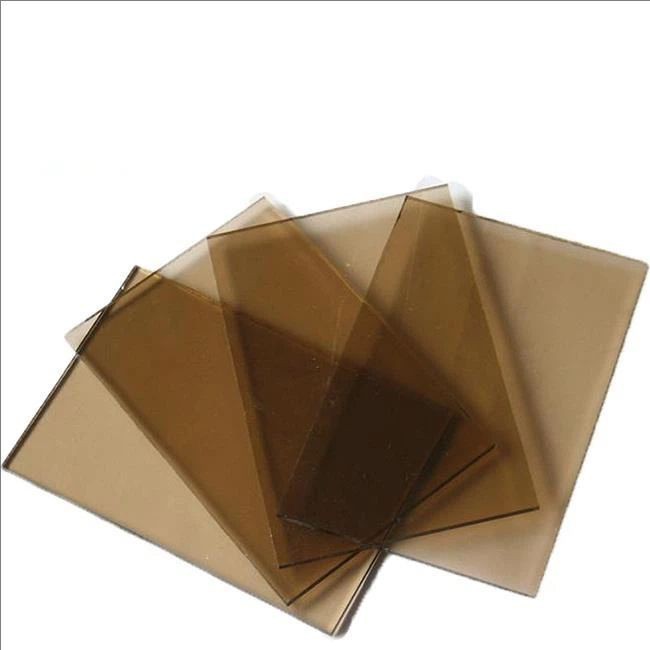
If you're looking for something a bit more decorative, our Colored Float Glass might be just what you need. It comes in a variety of colors, allowing you to add a touch of style to your projects.
And of course, our classic Clear Float Glass is always a popular choice. It has excellent clarity and transparency, making it ideal for windows, display cases, and other applications where visibility is important.

Why Choose Our Float Glass
As a float glass supplier, we take pride in the quality of our products. We use the latest technology and manufacturing processes to ensure that our glass meets the highest standards. Our team of experts is always on hand to provide technical support and advice, helping you choose the right glass for your project.
Whether you're a contractor, an architect, or a homeowner, we have the float glass solutions you need. We offer competitive prices, fast delivery times, and excellent customer service. So, if you're in the market for high - quality float glass, don't hesitate to get in touch with us. We'd love to discuss your requirements and see how we can help you.
Conclusion
Well, that's how float glass is made. It's a complex and precise process that requires a lot of skill and expertise. But the end result is a beautiful, high - quality glass product that can be used in a wide range of applications.
If you're interested in purchasing float glass for your next project, we'd be more than happy to talk to you. Just reach out, and we can start discussing your specific needs. Whether you need a small quantity for a DIY project or a large order for a commercial building, we've got you covered.
References
- "Glass Manufacturing: A Practical Guide." By John Doe. Publisher: Glass Industry Press, 2020.
- "The Science of Float Glass." Journal of Glass Science, Volume 15, Issue 3, 2019.
