

Acid-etched glass is a popular decorative and functional material known for its elegant, frosted appearance and versatile applications. As a supplier of acid-etched glass, I am often asked about the manufacturing process. In this blog, I'll take you through the step-by-step journey of how acid-etched glass is made.
Step 1: Glass Selection
The process begins with choosing the right type of glass. Different projects may require different glass characteristics, such as thickness, clarity, and strength. Common types of glass used for acid etching include float glass, which is widely available and offers a smooth surface. The glass is inspected for any defects, scratches, or impurities before moving on to the next stage. This ensures that the final product will have a high-quality finish.
Step 2: Cleaning and Preparing the Glass
Once the glass is selected, it undergoes a thorough cleaning process. This is crucial because any dirt, grease, or fingerprints on the glass surface can interfere with the acid etching process. The glass is typically washed with a special glass cleaner and then rinsed with deionized water to remove all residues. After cleaning, the glass is dried completely to prevent water spots or other imperfections during etching.
Step 3: Applying the Resist
The next step is to apply a resist to the areas of the glass that you don't want to be etched. The resist acts as a protective barrier against the acid. There are several types of resists available, including vinyl films and chemical resists. Vinyl films are often used for creating simple patterns or designs. They can be cut using a vinyl cutter and then applied to the glass surface. Chemical resists, on the other hand, are painted or sprayed onto the glass and can be used to create more detailed and intricate designs. The resist must be applied evenly and carefully to ensure a clean and precise etching.
Step 4: Acid Etching
With the resist in place, the glass is ready for acid etching. The most commonly used acid for this process is hydrofluoric acid (HF), either in liquid or gel form. Hydrofluoric acid is highly corrosive and reacts with the silica in the glass, dissolving it and creating a frosted appearance. The glass is carefully immersed in a bath of the acid solution or the acid gel is applied directly to the exposed areas of the glass. The etching time depends on several factors, such as the type of acid, the concentration of the acid solution, and the desired depth of the etching. During the etching process, the glass must be monitored closely to achieve the desired effect.
Step 5: Rinsing and Neutralizing
After the etching is complete, the glass is immediately rinsed with large amounts of water to remove all traces of the acid. This is a critical step because any remaining acid can continue to react with the glass and cause damage. Once the glass is thoroughly rinsed, it is then immersed in a neutralizing solution, usually a solution of sodium carbonate or sodium bicarbonate. The neutralizing solution helps to neutralize any remaining acid on the glass surface and prevent further corrosion.

Step 6: Removing the Resist
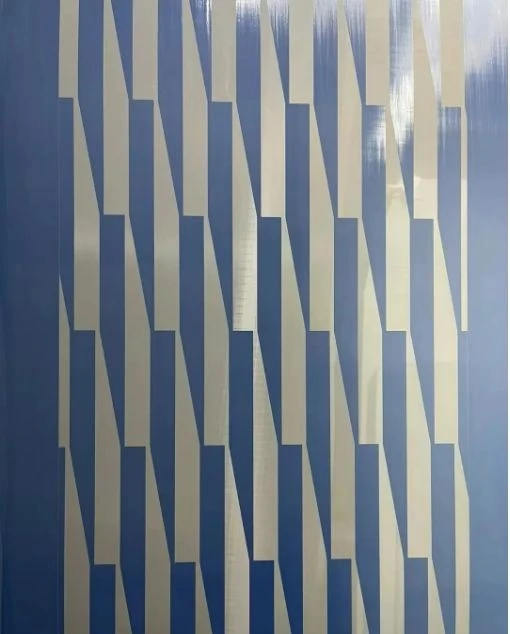
Once the glass is neutralized, the resist is removed. If a vinyl film resist was used, it can be peeled off easily. Chemical resists may require the use of a special solvent to dissolve and remove them. After the resist is removed, the glass is washed again to remove any residue from the resist or the solvent.
Step 7: Finishing and Quality Control
After the resist is removed, the acid-etched glass may undergo additional finishing processes. This can include polishing the edges of the glass to give it a smooth and safe finish. The glass is then inspected for any defects, such as uneven etching, scratches, or spots. Any defective areas may be re-etched or repaired if possible.
Variations of Acid-Etched Glass
There are several variations of acid-etched glass that we offer as a supplier. Colored Acid-etched Glass is created by adding colorants to the acid solution or by applying a colored coating to the etched glass. This can add a vibrant and unique touch to the glass, making it suitable for a variety of decorative applications.
Acid Etched Frosted Glass is the most common type of acid-etched glass. It offers a soft, diffused light transmission and provides privacy while still allowing some light to pass through. This makes it ideal for use in bathrooms, offices, and other areas where privacy is desired.
Acid Etched Frosted Glass Panel is a pre - fabricated panel that can be easily installed in doors, partitions, or other architectural elements. These panels come in a variety of sizes and designs, making them a convenient option for many projects.
Conclusion
Acid-etched glass is a beautiful and versatile material that can add a touch of elegance and functionality to any space. The manufacturing process involves several precise steps, from glass selection to finishing, to ensure a high - quality product. As a supplier of acid-etched glass, we are committed to providing our customers with the best possible products and services. If you are interested in purchasing acid-etched glass for your project, we invite you to contact us for more information and to discuss your specific requirements. Our team of experts is ready to assist you in finding the perfect acid-etched glass solution for your needs.
References
- Glass Association of North America. "Glass Manufacturing Processes."
- Corning Incorporated. "The Science of Glass."
