

Hey there! As a supplier of low-e glass, I often get asked how low-e glass stacks up against laminated glass. So, I thought I'd break it down for you in this blog post.
What's Low - e Glass?
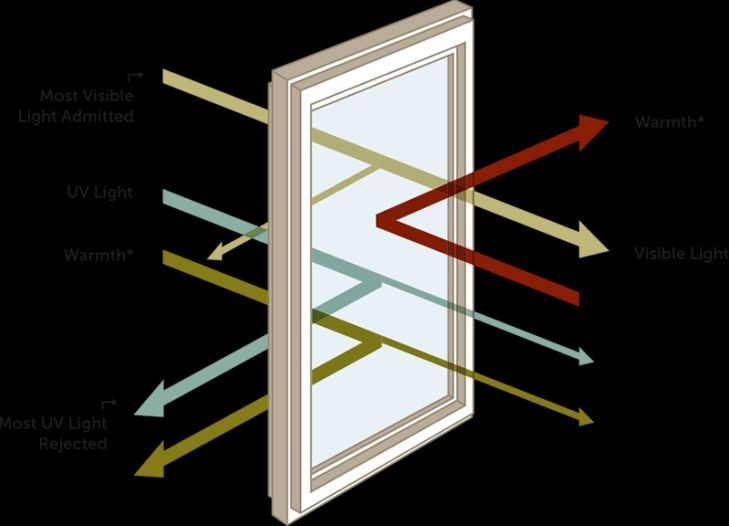
First off, let's talk about low - e glass. Low - e stands for low emissivity. This type of glass has a very thin coating that's almost invisible to the naked eye. This coating helps to reduce the amount of infrared and ultraviolet light that can pass through the glass while still allowing visible light to come in.
There are different types of low - e glass. For example, Hard Coated Low - E Glass is a great option. It has a durable coating that's baked onto the glass during the manufacturing process. This makes it resistant to scratches and wear. Then there's Double Pane Low - e Glass, which consists of two panes of glass with a layer of air or gas in between. This setup provides even better insulation than single - pane low - e glass. And if you're looking for ready - to - use options, Low - e Glass Panels are a convenient choice.
What's Laminated Glass?
Laminated glass is made by sandwiching a layer of polyvinyl butyral (PVB) between two or more layers of glass. This PVB layer holds the glass together when it breaks, preventing it from shattering into sharp pieces. Laminated glass is known for its safety and security features. It's commonly used in car windshields, storefronts, and areas where there's a risk of breakage.
Energy Efficiency
When it comes to energy efficiency, low - e glass takes the lead. The low - emissivity coating on low - e glass reflects heat back into the room during the winter and keeps the heat out during the summer. This means you can save on your heating and cooling bills. For example, in a cold climate, low - e glass can reduce heat loss through the windows by up to 30 - 50%. On the other hand, laminated glass doesn't have the same energy - saving properties. While it can provide some insulation, it's not as effective as low - e glass in regulating the temperature inside a building.
Safety and Security
Laminated glass is the clear winner in terms of safety and security. As I mentioned earlier, the PVB layer in laminated glass holds the glass together when it breaks. This is a huge advantage in areas prone to natural disasters like hurricanes or earthquakes, as well as in high - crime areas. Even if the glass is broken, it remains intact, reducing the risk of injury from flying glass shards. Low - e glass, while it can be made more secure with additional measures like security bars or tempered glass, doesn't have the same built - in safety feature as laminated glass.
Sound Insulation
Both low - e glass and laminated glass can provide some level of sound insulation, but laminated glass is generally better. The PVB layer in laminated glass acts as a sound - dampening barrier, reducing the amount of noise that can pass through the glass. This makes it a great choice for buildings located near busy roads, airports, or other noisy areas. Low - e glass can also reduce noise, especially if it's double - pane or triple - pane, but it's not as effective as laminated glass in this regard.
Cost
Cost is always a factor when choosing between different types of glass. Low - e glass is generally more affordable than laminated glass, especially for standard applications. The manufacturing process for low - e glass is less complex, which keeps the cost down. However, if you're looking for high - performance low - e glass with advanced coatings or multiple panes, the cost can increase. Laminated glass is more expensive due to the additional materials and manufacturing steps involved in creating the PVB layer.
Aesthetics
In terms of aesthetics, low - e glass has an edge. The low - emissivity coating is almost invisible, so it doesn't affect the appearance of the glass. You can enjoy a clear view through the window without any distortion. Laminated glass, on the other hand, can sometimes have a slightly hazy or distorted appearance, especially when viewed at an angle.

When to Choose Low - e Glass
If energy efficiency is your top priority, low - e glass is the way to go. It's perfect for residential and commercial buildings where you want to reduce your energy consumption and save on utility bills. Low - e glass is also a great choice if you're looking for a clear, unobstructed view through your windows. For example, in an office building, low - e glass can provide a comfortable working environment while also looking sleek and modern.
When to Choose Laminated Glass
If safety and security are your main concerns, laminated glass is the better option. It's ideal for areas where there's a risk of breakage, such as ground - floor windows, storefronts, and buildings in high - crime areas. Laminated glass is also a good choice for sound insulation, especially in noisy environments.
Conclusion
So, there you have it! Low - e glass and laminated glass both have their own unique advantages. Low - e glass is great for energy efficiency and aesthetics, while laminated glass shines in terms of safety, security, and sound insulation. Depending on your specific needs and budget, you can choose the type of glass that's right for you.
If you're interested in learning more about low - e glass or are thinking about making a purchase, I'd love to chat with you. Just reach out, and we can discuss your requirements in detail. Whether you need a small quantity for a home renovation or a large order for a commercial project, I'm here to help.
References
- "Energy - Efficient Windows and Doors." U.S. Department of Energy.
- "Glass Types and Their Applications." Glass Association of North America.
