

As a supplier of low-e glass, I've had plenty of conversations with customers about its impact on indoor temperature. Let's dive into how this innovative glass can really make a difference in keeping your indoor spaces comfortable.
What's the Deal with Low-e Glass?
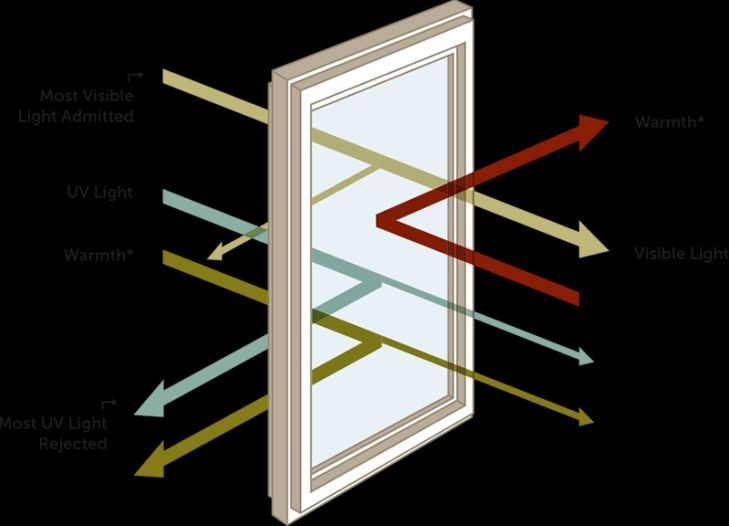
Low-e, short for low-emissivity, glass is a type of glass that has a microscopic coating on it. This coating is so thin that you can barely see it, but it has a huge impact on how the glass behaves. It works by reflecting a significant amount of the infrared light that tries to pass through the glass. Now, infrared light is what we feel as heat. So, when you have low-e glass in your windows, it's like having a shield that stops a lot of that heat from going out or coming in.
How Does It Keep the Heat In During Winter?
When the winter months roll around, the last thing you want is for all the warm air inside your home or office to escape through the windows. That's where low-e glass comes to the rescue. The special coating on the glass reflects the heat that's trying to leave the building back inside. It's like having an extra layer of insulation on your windows.
Let me give you an example. I once had a customer who lived in a colder climate. He had old, single-pane windows before switching to our Low-e Glass Panels. After the installation, he noticed a significant difference in the temperature inside his house. The rooms were warmer, and he could even turn down the thermostat a few degrees. This not only made his home more comfortable but also saved him some money on his heating bills.
And What About Keeping the Heat Out in Summer?
In the summer, the sun beats down on our buildings, and all that solar energy tries to make its way inside through the windows. Low-e glass is great at blocking this heat. The coating reflects the sun's infrared rays, preventing them from entering the building and heating up the interior. So, your air conditioning system doesn't have to work as hard to keep the place cool.
I remember another client who had a commercial building in a hot climate. They were struggling with high energy bills because their windows were letting in too much heat. After we installed our Double Pane Low-e Glass, the temperature inside the building was much more stable. The employees were more comfortable, and the electricity costs went down significantly. It was a win-win situation.
Types of Low-e Glass and Their Temperature Effects
There are different types of low-e glass, and each one has its own unique way of affecting indoor temperature.
Hard Coated Low-E Glass
Hard Coated Low-E Glass is tough and durable. It's made by applying a ceramic coating to the glass during the manufacturing process. This type of low-e glass is great for both cold and hot climates. In winter, it helps to keep the heat inside, and in summer, it blocks the sun's heat. It's also more resistant to scratches and wear and tear, so it can last a long time.
Soft Coated Low-E Glass
Soft coated low-e glass has a metal-based coating that is more sensitive. It's highly effective at reflecting heat, but it needs to be protected between two panes of glass. This type of glass is often used in double or triple-pane windows. It offers excellent insulation properties, making it ideal for extreme climates.
Benefits Beyond Temperature Control
The impact of low-e glass on indoor temperature is just the tip of the iceberg. There are other benefits that come with using this type of glass.

Energy Savings
As I mentioned earlier, low-e glass can significantly reduce your energy consumption. By keeping the heat in during winter and out during summer, you rely less on your heating and cooling systems. This translates to lower energy bills, which is great for your wallet and the environment.
UV Protection
Low-e glass also blocks a large portion of the sun's ultraviolet (UV) rays. These rays can fade your furniture, carpets, and curtains over time. With low-e glass, you can protect your interior decor from sun damage and keep it looking new for longer.
Comfort
When your indoor temperature is more stable, you'll feel more comfortable. There will be fewer hot and cold spots in your rooms, and you won't have to constantly adjust the thermostat. This creates a pleasant living or working environment for everyone.
Making the Switch to Low-e Glass
If you're thinking about upgrading your windows to low-e glass, you're on the right track. It's a smart investment that will pay off in the long run. As a low-e glass supplier, I can help you find the right type of glass for your specific needs. Whether you're looking for Hard Coated Low-E Glass for a residential project or Double Pane Low-e Glass for a commercial building, we've got you covered.
If you're interested in learning more about our low-e glass products or want to discuss a potential project, don't hesitate to reach out. We're here to answer your questions and help you make the best decision for your space. Let's work together to create a more comfortable and energy-efficient environment with low-e glass.
References
- "Energy-Efficient Windows: A Guide to Low-E Glass." U.S. Department of Energy.
- "The Benefits of Low-E Glass in Buildings." Building Science Corporation.
