

Float glass is a type of glass that is widely used in various applications, from windows in residential buildings to facades in commercial structures. One of the critical properties of float glass is its ability to resist heat. As a float glass supplier, I've had the opportunity to delve deep into the science behind this remarkable characteristic. In this blog, I'll explore how float glass resists heat, the factors that influence its heat resistance, and the different types of float glass available in the market.
The Basics of Float Glass Manufacturing
Before we dive into how float glass resists heat, it's essential to understand how it's made. Float glass is produced through the float process, which involves pouring molten glass onto a bed of molten tin. This process creates a flat and uniform glass surface with excellent optical clarity. The glass is then cooled slowly to relieve internal stresses, a process known as annealing.
The composition of float glass typically includes silica sand, soda ash, limestone, and other additives. These components give the glass its basic physical and chemical properties. For instance, silica sand provides the glass's framework, while soda ash lowers the melting point, making the glass easier to manufacture. Limestone helps to improve the glass's durability and chemical resistance.
How Float Glass Resists Heat
There are several mechanisms through which float glass resists heat. The first is through its inherent thermal properties. Glass is a poor conductor of heat, which means it doesn't transfer heat easily. When heat is applied to one side of the glass, the molecules in the glass vibrate, but they don't transfer the heat energy quickly to the other side. This slow transfer of heat helps to insulate the interior of a building, reducing the amount of heat that enters or exits.
Another way float glass resists heat is through its ability to reflect and absorb infrared radiation. Infrared radiation is a type of electromagnetic radiation that is associated with heat. When infrared radiation hits the glass, a portion of it is reflected back, while another portion is absorbed by the glass. The absorbed radiation increases the temperature of the glass, but because glass is a poor conductor of heat, the heat is not quickly transferred to the other side.

The thickness of the float glass also plays a role in its heat resistance. Thicker glass has more mass, which means it can absorb more heat energy before its temperature rises significantly. Additionally, thicker glass provides a greater distance for the heat to travel through, further slowing down the transfer of heat.
Factors Affecting Heat Resistance
Several factors can affect the heat resistance of float glass. One of the most significant factors is the type of glass. Different types of float glass, such as Colored Float Glass, Clear Float Glass, and Ultra-clear Float Glass, have different heat resistance properties.
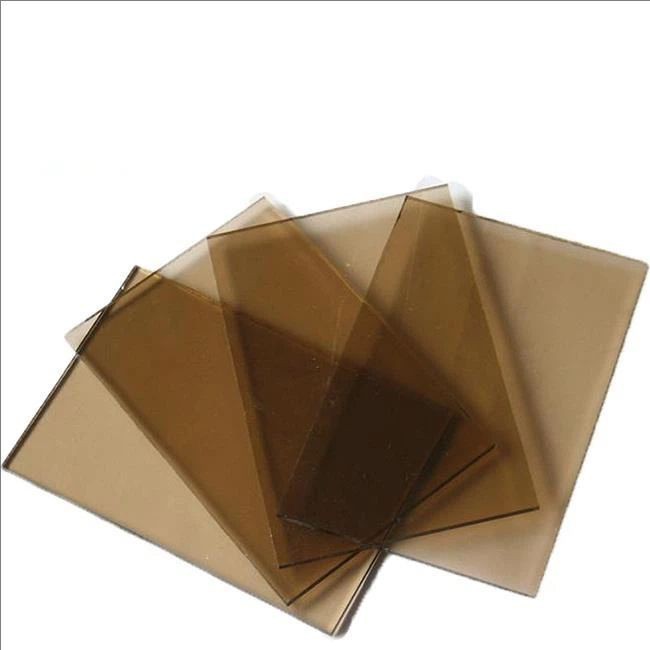
Colored float glass, for example, contains additives that can enhance its ability to absorb and reflect infrared radiation. These additives can give the glass a tint, which not only reduces the amount of visible light that passes through but also increases its heat resistance. Clear float glass, on the other hand, is transparent and allows more visible light to pass through. While it still has some heat resistance properties, it may not be as effective as colored float glass in blocking infrared radiation.
Ultra-clear float glass is a high-quality type of float glass that has a very low iron content. This gives it excellent optical clarity and allows it to transmit more visible light than clear float glass. However, its heat resistance properties are similar to those of clear float glass.
The surface treatment of the glass can also affect its heat resistance. For example, a low-emissivity (low-e) coating can be applied to the glass to reduce the amount of infrared radiation that is transmitted through the glass. Low-e coatings are thin, transparent layers that are applied to the surface of the glass. They work by reflecting infrared radiation back towards the source, while still allowing visible light to pass through.
Applications of Heat-Resistant Float Glass
Heat-resistant float glass has a wide range of applications. In residential buildings, it is commonly used in windows to improve energy efficiency. By reducing the amount of heat that enters or exits a building, heat-resistant float glass can help to lower heating and cooling costs. It also provides a more comfortable indoor environment by reducing glare and UV radiation.
In commercial buildings, heat-resistant float glass is often used in facades and curtain walls. These large glass surfaces can significantly impact the energy efficiency of a building. By using heat-resistant float glass, architects and building owners can create a sustainable and comfortable indoor environment while also enhancing the aesthetic appeal of the building.
Heat-resistant float glass is also used in automotive applications. In car windows, it helps to reduce the amount of heat that enters the vehicle, improving the comfort of the passengers. It also provides protection against UV radiation, which can damage the interior of the car.
Conclusion
As a float glass supplier, I'm constantly amazed by the science behind how float glass resists heat. The combination of its inherent thermal properties, ability to reflect and absorb infrared radiation, and the influence of factors such as glass type and surface treatment make it an excellent choice for a wide range of applications.
Whether you're building a new home, a commercial structure, or an automotive vehicle, heat-resistant float glass can provide significant benefits. If you're interested in learning more about our float glass products or would like to discuss your specific requirements, please don't hesitate to contact us. We're here to help you find the perfect float glass solution for your project.
References
- "The Science of Glass" by John E. Shelby
- "Glass Technology Handbook" edited by Helmut A. Schaeffer
- "Energy-Efficient Windows and Glazing Systems" by Lawrence Berkeley National Laboratory
