

As a clear float glass supplier, I often receive inquiries about the suitability of clear float glass for various applications, including elevators. Elevators are a crucial part of modern buildings, and the choice of materials for their construction is of utmost importance. In this blog post, I will explore whether clear float glass can be used in elevators, considering factors such as safety, functionality, and aesthetics.
Properties of Clear Float Glass
Clear float glass is a type of flat glass that is produced by floating molten glass on a bed of molten tin. This process results in a smooth, uniform surface with excellent optical clarity. It is known for its transparency, which allows for maximum light transmission, making it an ideal choice for applications where visibility is important.
One of the key properties of clear float glass is its strength. While it is not as strong as tempered or laminated glass, it can still withstand a certain amount of pressure and impact. However, it is important to note that clear float glass is more prone to breakage than its tempered or laminated counterparts. When it breaks, it shatters into large, sharp pieces, which can pose a safety hazard.
Safety Considerations in Elevator Applications
Safety is the primary concern when it comes to using any material in elevators. Elevators are subject to strict safety regulations and standards to ensure the well - being of passengers. In many cases, tempered or laminated glass is preferred over clear float glass for elevator applications due to safety reasons.
Tempered glass is heat - treated to increase its strength. When it breaks, it shatters into small, blunt pieces, which are less likely to cause serious injury compared to the large, sharp shards of clear float glass. Laminated glass consists of two or more layers of glass bonded together with a plastic interlayer. In the event of breakage, the interlayer holds the glass fragments in place, reducing the risk of injury from flying glass.
However, there are situations where clear float glass can be used safely in elevators. For example, if the glass is used in an area where the risk of impact is low, such as a non - load - bearing partition or a decorative element that is not easily accessible to passengers. In these cases, proper safety measures such as guards or barriers can be installed to minimize the risk of breakage and injury.
Functionality and Design
In addition to safety, functionality and design are also important factors to consider when choosing glass for elevators. Clear float glass offers excellent visibility, which can enhance the overall aesthetic of the elevator. It allows passengers to have a clear view of the elevator shaft or the surrounding area, creating a more open and spacious feel.
For elevator interiors, clear float glass can be used for wall panels, doors, or partitions. It can be combined with other materials such as stainless steel or wood to create a modern and stylish look. Moreover, clear float glass can be easily customized with various treatments such as etching, frosting, or printing to add privacy or decorative elements.
When it comes to functionality, clear float glass can be used in elevator doors to provide a smooth and seamless appearance. It can also be used in combination with sensors and automation systems to ensure proper operation of the elevator doors.
Types of Clear Float Glass for Elevators
There are different types of clear float glass that can be considered for elevator applications. Ultra - clear Float Glass is a high - quality option that offers even greater clarity and transparency than standard clear float glass. It has a very low iron content, which reduces the greenish tint that is often associated with regular clear float glass. This makes it an excellent choice for applications where maximum visual clarity is required.
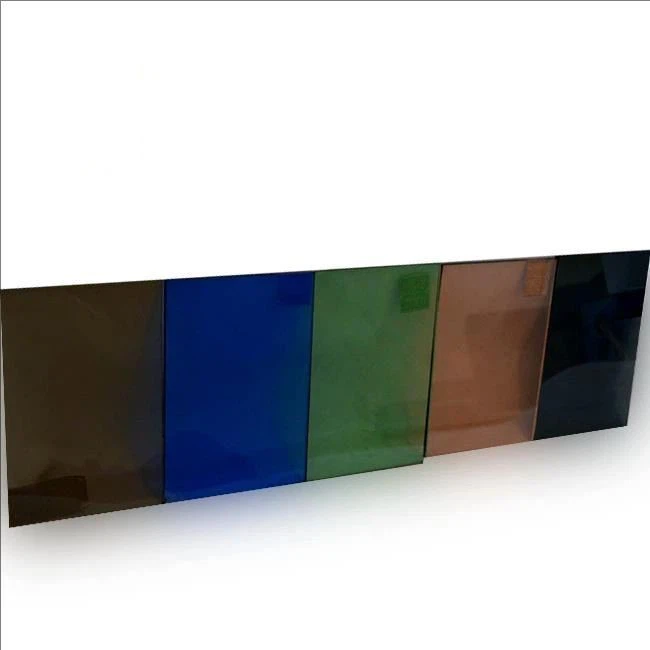
Colored Float Glass can also be used in elevators to add a touch of color and style. It is available in a variety of colors, which can be used to match the interior design of the elevator or the building. Colored float glass can also provide some level of privacy while still allowing light to pass through.
19MM Float Glass is a thicker option that offers increased strength and durability. It can be used in areas where the glass is likely to be subjected to higher levels of stress or impact. However, it is important to note that thicker glass may also be heavier, which can affect the performance of the elevator doors and other components.
Installation and Maintenance
Proper installation and maintenance are crucial for ensuring the safety and performance of clear float glass in elevators. During installation, it is important to follow the manufacturer's guidelines and industry standards. The glass should be properly supported and secured to prevent movement or breakage.

Regular maintenance is also necessary to keep the glass in good condition. This includes cleaning the glass regularly to remove dirt, fingerprints, and other contaminants. It is important to use appropriate cleaning products that are safe for glass to avoid scratching or damaging the surface.
Conclusion
In conclusion, clear float glass can be used in elevators, but it is important to carefully consider the safety, functionality, and design requirements of the specific application. While tempered and laminated glass are generally preferred for safety reasons, clear float glass can be a suitable option in certain situations, especially when proper safety measures are in place.
If you are considering using clear float glass in your elevator project, I encourage you to contact me to discuss your specific needs. I can provide you with detailed information about the different types of clear float glass available, as well as guidance on installation and maintenance. Let's work together to find the best glass solution for your elevator project.
References
- Building Codes and Standards for Elevators, National Elevator Industry, Inc.
- Glass Manufacturing and Properties, Glass Association of North America.
