

Lacquered glass is a versatile and stylish material that has gained significant popularity in various industries, from interior design to architecture. As a leading lacquered glass supplier, I am often asked about the safety features of this remarkable product. In this blog post, I will delve into the key safety aspects of lacquered glass, shedding light on why it is a reliable choice for both residential and commercial applications.
Impact Resistance
One of the primary safety concerns when it comes to glass is its ability to withstand impact. Lacquered glass can be engineered to have enhanced impact resistance, depending on the type of glass substrate used and the manufacturing process. For instance, tempered glass is a common choice for lacquering. Tempered glass is processed through a heating and rapid cooling process, which creates internal stresses that increase its strength. As a result, tempered lacquered glass can withstand much higher impact forces compared to regular glass.
When an object strikes tempered lacquered glass, instead of shattering into large, sharp pieces, it breaks into small, granular chunks. This characteristic significantly reduces the risk of serious injuries from sharp glass shards. In environments where there is a higher likelihood of accidental impacts, such as in public spaces or children's play areas, tempered lacquered glass provides an added layer of safety.
Chemical Resistance
The lacquer coating on lacquered glass offers excellent chemical resistance. This means that the glass is protected from damage caused by various chemicals, including cleaning agents, acids, and alkalis. In a home or commercial setting, it is common to use cleaning products to maintain the cleanliness of surfaces. Lacquered glass can withstand the regular use of mild to moderately strong cleaning agents without losing its integrity or appearance.
Moreover, in industrial environments where exposure to chemicals is more frequent, lacquered glass can act as a barrier, preventing the underlying glass from being corroded. This chemical resistance not only extends the lifespan of the glass but also ensures that it remains safe to use over time. For example, in laboratories or chemical processing plants, lacquered glass can be used for partitions or display cases, providing a clear view while protecting against chemical spills.
UV Resistance
Ultraviolet (UV) rays from the sun can cause damage to many materials over time, including glass. UV rays can fade colors, weaken the structure of the glass, and even cause it to become brittle. Lacquered glass is often treated to have high UV resistance. The lacquer coating acts as a shield, blocking a significant portion of the UV rays from reaching the underlying glass.
This UV resistance is particularly important for applications where the glass is exposed to direct sunlight, such as in windows or exterior facades. By preventing UV damage, lacquered glass maintains its color and structural integrity for longer periods. This not only enhances the aesthetic appeal of the glass but also ensures that it remains safe and reliable. For example, in a sunroom or a conservatory, lacquered glass can be used to create a bright and inviting space without the worry of color fading or glass degradation.
Fire Resistance
In some cases, lacquered glass can be designed to have fire-resistant properties. Fire-resistant lacquered glass is treated with special coatings or made from fire-resistant glass substrates. This type of glass can withstand high temperatures for a certain period, preventing the spread of fire and smoke.
In commercial buildings, such as offices, hotels, and hospitals, fire-resistant lacquered glass can be used for fire-rated partitions, doors, and windows. It provides a clear separation between different areas while meeting the fire safety requirements. This is crucial for ensuring the safety of occupants in case of a fire emergency, as it allows for safe evacuation and helps to contain the fire within a specific area.
Anti-Slip Properties
For applications where lacquered glass is used in areas prone to moisture, such as bathrooms or swimming pool surrounds, anti-slip properties can be added. Special coatings can be applied to the surface of the lacquered glass to increase its friction coefficient, reducing the risk of slipping.
This is especially important in areas where people are likely to be walking barefoot or in wet conditions. By providing a non-slip surface, lacquered glass helps to prevent accidents and injuries. For example, in a bathroom shower stall, anti-slip lacquered glass can be used as a shower screen, ensuring a safe and comfortable bathing experience.

Easy Maintenance and Hygiene
Lacquered glass is relatively easy to maintain, which also contributes to its safety. The smooth surface of the lacquered glass makes it difficult for dirt, dust, and bacteria to adhere to it. Regular cleaning with a mild detergent and a soft cloth is usually sufficient to keep the glass looking clean and hygienic.
In environments where hygiene is a top priority, such as in hospitals, kitchens, or food processing facilities, lacquered glass is an ideal choice. Its non-porous surface prevents the growth of mold, mildew, and bacteria, reducing the risk of contamination and the spread of diseases.
Applications and Safety Benefits
Lacquered glass has a wide range of applications, each with its own safety benefits. For example, in interior design, Colored Stained Glass can be used to create beautiful partitions, backsplashes, and decorative elements. The safety features of lacquered glass, such as impact resistance and chemical resistance, ensure that these decorative pieces can withstand the wear and tear of daily use.
Tinted Painted Glass is often used for windows and doors, providing privacy while allowing natural light to enter. The UV resistance of the lacquer coating protects the interior from fading and damage caused by the sun. Additionally, the impact resistance of the glass ensures that it can withstand strong winds and potential impacts.
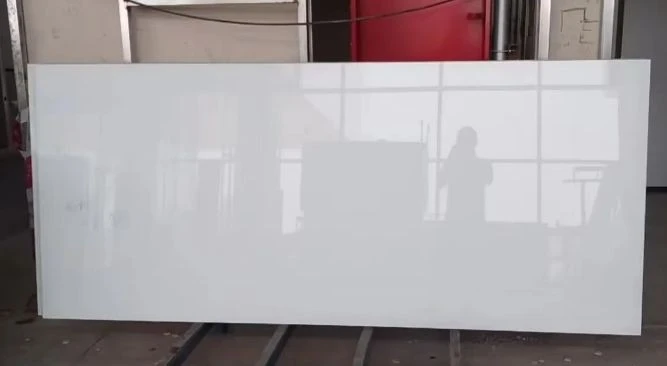
White Lacquered Glass for Wardrobe is a popular choice for bedroom furniture. The smooth and easy-to-clean surface of the lacquered glass makes it a hygienic option. The chemical resistance of the lacquer coating ensures that the glass does not get damaged by perfumes, lotions, or other personal care products.
Conclusion
As a lacquered glass supplier, I am proud to offer a product that combines style and safety. The various safety features of lacquered glass, including impact resistance, chemical resistance, UV resistance, fire resistance, anti-slip properties, and easy maintenance, make it a reliable choice for a wide range of applications. Whether you are designing a residential space, a commercial building, or an industrial facility, lacquered glass can provide the safety and functionality you need.
If you are interested in learning more about our lacquered glass products or would like to discuss your specific requirements, I encourage you to reach out to us. We are committed to providing high-quality lacquered glass solutions that meet your safety and aesthetic needs. Contact us today to start a conversation about your next project.
References
- "Glass Science and Technology" by David R. Uhlmann and Narottam P. Bansal
- "Handbook of Glass Properties" edited by W. A. Weyl and E. R. Stookey
- Industry standards and guidelines for glass safety and performance
