

In the realm of modern visual technology, 3D images have revolutionized the way we perceive and interact with digital content. One of the key components enabling an immersive 3D viewing experience is the use of shutter glasses. As a leading Shutter Glass supplier, I am often asked about the resolution of 3D images viewed through these glasses. In this blog post, I will delve into the intricacies of this topic, exploring how shutter glasses work, the factors that affect the resolution of 3D images, and why it matters for your viewing pleasure.
How Shutter Glasses Work
Shutter glasses, also known as active shutter glasses, are a type of eyewear used to create a stereoscopic 3D effect. They work by rapidly alternating the left and right lenses' transparency in sync with the display. The display projects two slightly different images – one for the left eye and one for the right eye – in quick succession. The shutter glasses then block the appropriate eye from seeing the image intended for the other eye, allowing each eye to see only its corresponding image. The brain then combines these two images to create a single, three - dimensional perception.
The technology behind shutter glasses has evolved significantly over the years. Initially, they were bulky and had limited functionality. However, with advancements in electronics and materials, modern shutter glasses are lightweight, comfortable to wear, and offer high - quality 3D viewing. For more information about our range of Shutter Glass, you can visit Shutter Glass.
Understanding Resolution in 3D Images
Resolution refers to the number of pixels that make up an image. In a 2D context, it is typically expressed as the number of horizontal and vertical pixels, such as 1920x1080 (Full HD). In 3D, the concept of resolution becomes more complex because there are two separate images – one for each eye.
When we talk about the resolution of 3D images viewed through shutter glasses, we need to consider both the native resolution of the display and how the 3D content is encoded. The native resolution of the display sets an upper limit on the detail that can be shown. For example, if you have a 4K display (3840x2160 pixels), the maximum number of pixels available for each eye's image is theoretically half of the total pixels when displaying 3D content. This is because the display has to alternate between showing the left - eye and right - eye images.
However, the actual resolution of the 3D image also depends on how the content is encoded. Some 3D formats may compress or downsample the images to fit the available bandwidth or to optimize for specific devices. This can result in a lower effective resolution than the native resolution of the display.
Factors Affecting 3D Image Resolution
Display Technology
Different display technologies have varying capabilities when it comes to displaying 3D content. For example, OLED displays are known for their high contrast ratios and fast response times, which are ideal for 3D viewing. They can quickly switch between the left - eye and right - eye images without significant motion blur. On the other hand, LCD displays may have slower response times, which can lead to some ghosting or crosstalk between the images, affecting the perceived resolution.
3D Format
There are several 3D formats available, such as side - by - side, top - and - bottom, and frame sequential. Each format has its own way of encoding the left - eye and right - eye images. The side - by - side format, for instance, divides the screen horizontally, with the left - eye image on the left and the right - eye image on the right. This effectively halves the horizontal resolution for each eye. The frame sequential format, which is commonly used with shutter glasses, alternates the images on a frame - by - frame basis. While this format preserves the full native resolution of the display in theory, it still requires the display to refresh at a high rate to avoid flickering.

Content Quality
The quality of the 3D content itself plays a crucial role in the perceived resolution. If the content is poorly shot, edited, or compressed, it will not look sharp or detailed, regardless of the display or glasses used. High - quality 3D content is typically shot with professional cameras and post - processed to ensure optimal clarity and depth.
Importance of Resolution in 3D Viewing
A high - resolution 3D image enhances the overall viewing experience in several ways. Firstly, it provides greater detail and clarity, making the objects in the 3D scene appear more realistic. You can see the fine textures, small details, and subtle nuances that would be lost in a low - resolution image. This is particularly important in applications such as gaming, where the ability to spot enemies or navigate complex environments depends on clear visual information.
Secondly, high - resolution 3D images reduce eye strain. When the image is blurry or pixelated, the eyes have to work harder to focus and make sense of the content. This can lead to fatigue, headaches, and discomfort during extended viewing sessions. By providing sharp, clear images, high - resolution 3D technology allows for a more comfortable and immersive viewing experience.
Our Range of Shutter Glasses for Optimal 3D Resolution
As a Shutter Glass supplier, we understand the importance of providing high - quality products that deliver the best possible 3D viewing experience. Our shutter glasses are designed to work seamlessly with a wide range of displays, from Full HD to 4K and beyond. They feature advanced synchronization technology to ensure precise alignment with the display, minimizing crosstalk and maximizing the perceived resolution of the 3D images.
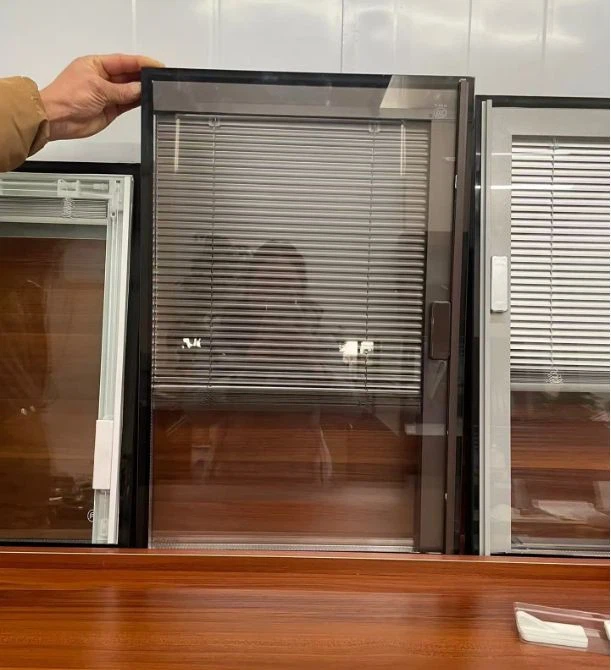
In addition to our standard Shutter Glass, we also offer Transparent Louver Glass and Built - in Blinds Insulating Glass, which provide additional functionality and versatility. These products are suitable for various applications, including home theaters, commercial cinemas, and gaming arenas.
Contact Us for Your Shutter Glass Needs
If you are interested in purchasing our shutter glasses or have any questions about the resolution of 3D images viewed through them, we would be delighted to hear from you. Our team of experts is available to provide you with detailed information, technical support, and assistance in choosing the right products for your specific requirements. Whether you are a consumer looking to enhance your home entertainment system or a business in need of bulk supplies, we can offer competitive pricing and excellent customer service.
References
- "3D Display Technologies" by Mark F. Schatz, published by John Wiley & Sons.
- "The Handbook of Visual Display Technology" edited by John A. Robertson, published by Springer.
- Industry reports and whitepapers from leading display technology manufacturers.
