

As a supplier of Shutter Glass, I've been frequently asked about the refresh rate requirements for using shutter glasses. Understanding these requirements is crucial for both manufacturers and end - users as it directly impacts the quality of the viewing experience. In this blog, I'll delve into the science behind refresh rates and how they relate to shutter glasses.
The Basics of Shutter Glasses
Shutter glasses are an essential component in 3D display technology. They work by alternately blocking the left and right eyes' view in sync with the display that is presenting different images for each eye. This creates the illusion of depth, giving the viewer a 3D experience. When the display shows an image for the left eye, the left shutter on the glasses opens while the right shutter closes. Then, when the right - eye image is displayed, the right shutter opens, and the left one closes.
Why Refresh Rate Matters
The refresh rate of a display is the number of times per second that the display updates the image it shows. It is measured in Hertz (Hz). For shutter glasses to function properly, the refresh rate of the display must be high enough. If the refresh rate is too low, several issues can occur.
One of the most common problems is crosstalk, also known as ghosting. Crosstalk happens when the image intended for one eye bleeds into the view of the other eye. This can make the 3D image appear blurry and less immersive. For example, if the display has a low refresh rate, the shutters on the glasses might not switch fast enough to block the wrong image completely. As a result, the viewer will see a faint double image, which significantly degrades the 3D experience.
Another issue is flicker. Flicker is the visible fluctuation in brightness of the image. In the context of shutter glasses, if the refresh rate is not sufficient, the shutters will open and close at a rate that is noticeable to the human eye. This can cause eye strain, headaches, and make the viewing experience uncomfortable.
Minimum Refresh Rate Requirements
So, what is the minimum refresh rate required for using shutter glasses? In general, a refresh rate of at least 120Hz is recommended for a basic 3D viewing experience. At 120Hz, the display can show 60 frames per second for each eye. This is because the shutters on the glasses need to alternate between the left and right eyes, so the effective frame rate for each eye is half of the total refresh rate of the display.
However, for a high - quality 3D experience, a refresh rate of 240Hz or even higher is preferable. With a 240Hz display, each eye gets 120 frames per second, which reduces crosstalk and flicker significantly. This results in a smoother, more immersive 3D image.
Factors Affecting Refresh Rate Requirements
Several factors can influence the ideal refresh rate for using shutter glasses.
Display Technology
Different display technologies have different capabilities when it comes to refresh rates. For example, some older plasma displays could easily achieve high refresh rates, while early LCD displays struggled to reach 120Hz. Modern OLED displays, on the other hand, can offer very high refresh rates and excellent response times, making them well - suited for use with shutter glasses.
Content Type
The type of content being viewed also matters. Fast - paced action movies or video games with a lot of movement require a higher refresh rate to ensure smooth motion and reduce crosstalk. In contrast, static or slow - moving content, such as a 3D photo gallery, might be more forgiving of a lower refresh rate.
Viewer Sensitivity
Individual viewers have different sensitivities to flicker and crosstalk. Some people can tolerate a lower refresh rate without noticing significant issues, while others are more sensitive and will require a higher refresh rate for a comfortable viewing experience.
Our Shutter Glass Products
As a Shutter Glass supplier, we understand the importance of high - quality products that are compatible with a wide range of refresh rates. Our Shutter Glass is designed to work seamlessly with displays that have refresh rates of up to 240Hz. We use advanced technology to ensure fast and accurate shutter switching, minimizing crosstalk and flicker.

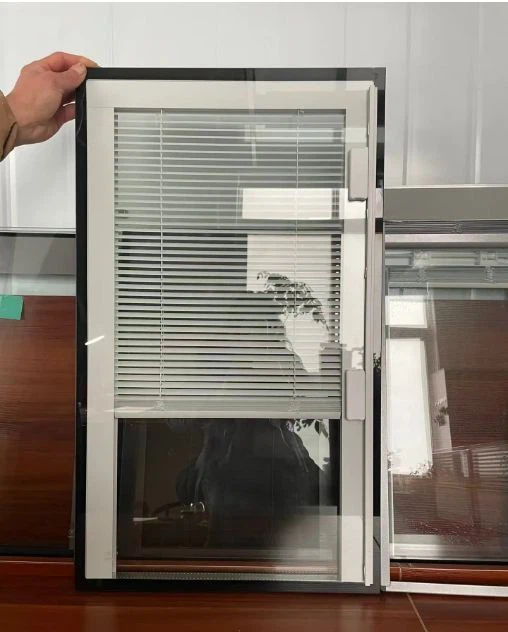
In addition to our standard shutter glasses, we also offer Built - in Blinds Insulating Glass. This type of glass combines the functionality of shutter glasses with the benefits of insulation. It can be used in windows and partitions, providing privacy and energy efficiency while also being suitable for 3D applications in some cases.
Our Transparent Louver Glass is another innovative product. It offers a unique visual effect and can be used in various architectural and display applications. Although it is not a traditional shutter glass for 3D viewing, it shares some similar principles in terms of controlling the passage of light and creating different visual states.
Contact Us for Procurement
If you are interested in purchasing our high - quality shutter glasses or related products, we encourage you to contact us for procurement discussions. Whether you are a retailer looking to stock our products, a manufacturer integrating our glasses into your displays, or an end - user seeking the best 3D viewing experience, we are here to meet your needs. We can provide detailed product information, samples, and competitive pricing.
By choosing our products, you can be confident that you are getting reliable shutter glasses that are designed to work well with high - refresh - rate displays. We are committed to providing excellent customer service and ensuring that you have the best possible 3D viewing experience.
References
- Glass Industry Magazine, various issues on display and glass technologies.
- Research papers on 3D display technology and human visual perception.
- Technical documentation from display manufacturers regarding refresh rates and 3D compatibility.
