

As a seasoned supplier of acid - etched glass, I've witnessed the growing popularity of this product in various industries, from interior design to architecture. One question that often comes up during client consultations is about the impact resistance of acid - etched glass. In this blog, I'll delve into the factors that affect the impact resistance of acid - etched glass, compare it with other types of glass, and discuss its practical implications in real - world applications.
Understanding Acid - Etched Glass
Acid - etched glass is a type of decorative glass created by treating the surface of the glass with an acid or acidic compound. This process creates a frosted or matte finish on the glass, which can enhance privacy while still allowing light to pass through. It's commonly used in a variety of settings, such as Colored Acid - etched Glass, Acid Etched Frosted Glass Panel, and Acid - etched Glass for Doors and Windows.
The acid - etching process involves removing a thin layer of the glass surface, which changes its physical and optical properties. The resulting frosted appearance is due to the irregular surface created by the acid, which scatters light in different directions.
Factors Affecting Impact Resistance
1. Base Glass Type
The type of base glass used in acid - etched glass plays a crucial role in determining its impact resistance. For example, tempered glass is much stronger and more impact - resistant than regular annealed glass. Tempered glass is heat - treated to increase its strength, and when it breaks, it shatters into small, relatively harmless pieces rather than large, sharp shards. If acid - etched glass is made from tempered glass, it will inherit these enhanced impact - resistant properties.
On the other hand, if the base glass is annealed, the acid - etched glass will have lower impact resistance. Annealed glass is the standard, untreated glass that is commonly used in many applications. It breaks into large, sharp pieces when subjected to impact, which can be dangerous.
2. Thickness of the Glass
Thicker glass generally has better impact resistance than thinner glass. As the thickness of the acid - etched glass increases, it can withstand greater forces without breaking. For applications where high impact resistance is required, such as in commercial buildings or areas with high traffic, choosing a thicker acid - etched glass is advisable. However, it's important to note that thicker glass is also heavier and more expensive, so a balance needs to be struck between impact resistance and practicality.
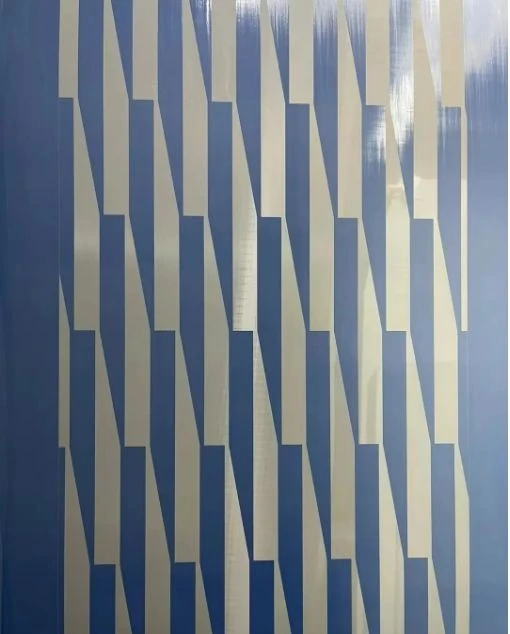

3. Acid - Etching Process
The acid - etching process itself can have an impact on the glass's strength. If the acid - etching is too aggressive, it may weaken the glass surface. Over - etching can create micro - cracks on the glass, which can act as stress concentrators and reduce the glass's ability to withstand impact. A well - controlled acid - etching process, on the other hand, will minimize damage to the glass structure and maintain its integrity.
Comparing Impact Resistance with Other Glass Types
1. Laminated Glass
Laminated glass consists of two or more layers of glass bonded together with a plastic interlayer. This type of glass is known for its excellent impact resistance. When laminated glass is struck, the plastic interlayer holds the broken glass pieces together, preventing them from flying apart. In comparison, acid - etched glass made from non - laminated glass may not have the same level of impact resistance. However, if acid - etched glass is combined with the laminated glass technology, it can offer both the decorative benefits of acid - etching and the high impact resistance of laminated glass.
2. Wire - Reinforced Glass
Wire - reinforced glass has a wire mesh embedded within the glass during the manufacturing process. This wire mesh helps to hold the glass together when it breaks, reducing the risk of large pieces falling. While wire - reinforced glass has good impact resistance, it may not be as aesthetically pleasing as acid - etched glass. Acid - etched glass provides a more refined and modern look, but its impact resistance may be lower if not made from a high - strength base glass.
Practical Implications in Real - World Applications
1. Interior Design
In interior design, acid - etched glass is often used for partitions, room dividers, and decorative panels. In these applications, the impact resistance requirements may not be as high as in exterior applications. However, in areas where there is a risk of accidental impact, such as in corridors or near furniture, it's still important to consider the impact resistance of the acid - etched glass. Choosing a tempered or thicker acid - etched glass can provide an extra layer of safety.
2. Exterior Applications
For exterior applications, such as doors and windows, the impact resistance of acid - etched glass is of utmost importance. Exterior glass is exposed to various environmental factors, including wind, debris, and potential vandalism. In regions with high - wind conditions or areas prone to storms, using acid - etched glass with high impact resistance is essential. Tempered or laminated acid - etched glass is often the preferred choice for these applications.
Conclusion
The impact resistance of acid - etched glass is influenced by several factors, including the base glass type, thickness, and the acid - etching process. While acid - etched glass offers unique decorative benefits, its impact resistance can vary widely depending on these factors. By understanding these factors, customers can make informed decisions when choosing acid - etched glass for their specific applications.
If you're interested in learning more about the impact resistance of our acid - etched glass products or are considering a purchase, I encourage you to reach out to us. We're here to help you select the right acid - etched glass for your needs, whether it's for interior design or exterior applications. Contact us to start a procurement discussion and find the perfect acid - etched glass solution for your project.
References
- "Glass Science and Technology" by D. R. Uhlmann and N. J. Kreidl
- "Handbook of Glass Properties" edited by M. Tomozawa and R. H. Doremus
- Industry standards and guidelines related to glass impact resistance
