

As a seasoned supplier of dichroic glass, I've witnessed the growing intrigue and demand for this remarkable material. One question that frequently surfaces among architects, designers, and enthusiasts is, "What is the heat resistance of dichroic glass?" In this blog, I'll delve into the scientific aspects of dichroic glass's heat resistance, explore its implications for various applications, and highlight how our products stand out in this regard.
Understanding Dichroic Glass
Before we dive into heat resistance, let's briefly understand what dichroic glass is. Dichroic glass is a type of glass that exhibits two different colors when viewed from different angles or under different lighting conditions. This unique optical property is achieved through a process of depositing multiple thin layers of metal oxides onto the surface of the glass using a vacuum deposition technique. These layers interact with light in a way that selectively reflects and transmits certain wavelengths, creating the characteristic color-shifting effect.
Heat Resistance Mechanisms
The heat resistance of dichroic glass is primarily determined by two factors: the base glass material and the thin-film coatings.
Base Glass Material
The choice of base glass plays a crucial role in the overall heat resistance of dichroic glass. Most dichroic glass products are made from borosilicate glass, which is known for its excellent thermal properties. Borosilicate glass has a low coefficient of thermal expansion, meaning it expands and contracts less than other types of glass when exposed to temperature changes. This makes it more resistant to thermal shock, which occurs when a material experiences rapid temperature changes that can cause it to crack or shatter.
Thin-Film Coatings
The thin-film coatings on dichroic glass also contribute to its heat resistance. These coatings are typically made from metal oxides such as titanium dioxide, silicon dioxide, and zirconium dioxide, which have high melting points and good thermal stability. The coatings act as a barrier, reducing the amount of heat that is absorbed by the glass and protecting it from damage.
Heat Resistance Testing
To ensure the quality and performance of our dichroic glass products, we conduct rigorous heat resistance testing. Our testing procedures are designed to simulate real-world conditions and evaluate the glass's ability to withstand high temperatures and thermal shock.
High-Temperature Testing
In high-temperature testing, we expose samples of dichroic glass to elevated temperatures for extended periods of time. We monitor the glass for any signs of deformation, cracking, or discoloration. Our tests have shown that our dichroic glass can withstand temperatures of up to 500°C (932°F) without significant damage.
Thermal Shock Testing
Thermal shock testing involves subjecting the glass to rapid temperature changes. We heat the glass to a high temperature and then quickly cool it by immersing it in cold water. This simulates the conditions that the glass may encounter in applications such as fireplaces or ovens. Our dichroic glass has proven to be highly resistant to thermal shock, withstanding multiple cycles of heating and cooling without cracking or breaking.
Applications of Heat-Resistant Dichroic Glass
The heat resistance of dichroic glass makes it suitable for a wide range of applications where high temperatures and thermal shock are a concern. Here are some examples:
Architectural Applications
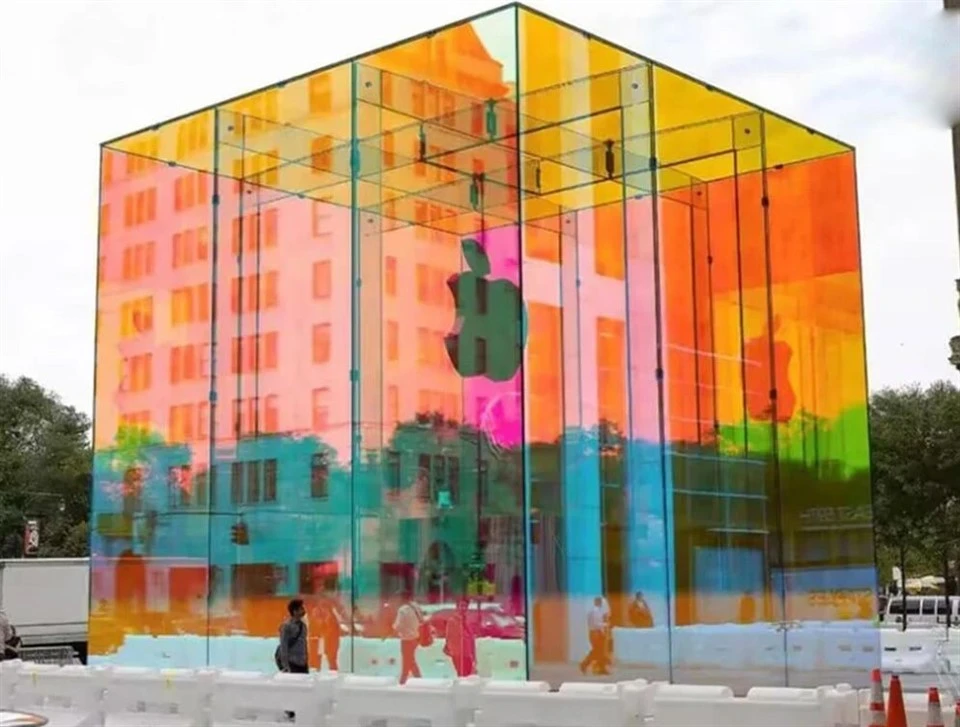
In architecture, dichroic glass can be used in facades, windows, and skylights to add a unique aesthetic element while also providing thermal insulation. The heat resistance of the glass ensures that it can withstand the sun's heat and prevent the building from overheating. For more information on our Dichroic Architectural Glass, please visit our website.
Interior Design
Dichroic glass is also popular in interior design applications such as partitions, backsplashes, and decorative panels. Its heat resistance makes it suitable for use in kitchens, bathrooms, and other areas where heat and moisture are present. Our Dichroic Tinted Glass is available in a variety of colors and patterns, allowing designers to create unique and eye-catching spaces.
Art and Jewelry
Artists and jewelers often use dichroic glass in their creations due to its beautiful color-shifting properties. The heat resistance of the glass makes it suitable for use in kiln-fired glass art and jewelry-making processes. It can withstand the high temperatures required for fusing and annealing without losing its color or shape.
Advantages of Our Dichroic Glass
As a leading supplier of dichroic glass, we take pride in offering high-quality products that meet the highest standards of heat resistance and performance. Here are some of the advantages of choosing our dichroic glass:
Superior Heat Resistance
Our dichroic glass is made from high-quality borosilicate glass and coated with advanced thin-film coatings that provide excellent heat resistance and thermal stability. It can withstand high temperatures and thermal shock without cracking or breaking, making it suitable for even the most demanding applications.

Customizable Options
We offer a wide range of customizable options for our dichroic glass products, including color, pattern, and thickness. This allows our customers to create unique and personalized designs that meet their specific needs and preferences.
Quality Assurance
We have a strict quality control system in place to ensure that all of our dichroic glass products meet the highest standards of quality and performance. Our products are tested and certified to ensure their heat resistance, optical properties, and durability.
Contact Us for Procurement
If you're interested in purchasing dichroic glass for your next project, we'd love to hear from you. Our team of experts can provide you with more information about our products, answer your questions, and help you choose the right glass for your needs. Whether you're an architect, designer, artist, or jeweler, we have the expertise and resources to meet your requirements.
References
- "Borosilicate Glass: Properties and Applications." Glass Science and Technology, vol. 1, no. 1, 2007, pp. 1-10.
- "Thin-Film Coatings for Glass: Principles and Applications." Journal of Vacuum Science and Technology A, vol. 25, no. 2, 2007, pp. 301-310.
- "Heat Resistance Testing of Glass Materials." ASTM International, 2019.
