

As a supplier of U Channel Glazing, I've encountered numerous inquiries regarding its hail resistance. This topic is of utmost importance, especially in regions prone to severe weather conditions. In this blog, I'll delve into the scientific aspects of U Channel Glazing's hail resistance, exploring the factors that influence it and how it stands up to the forces of nature.
Understanding U Channel Glazing
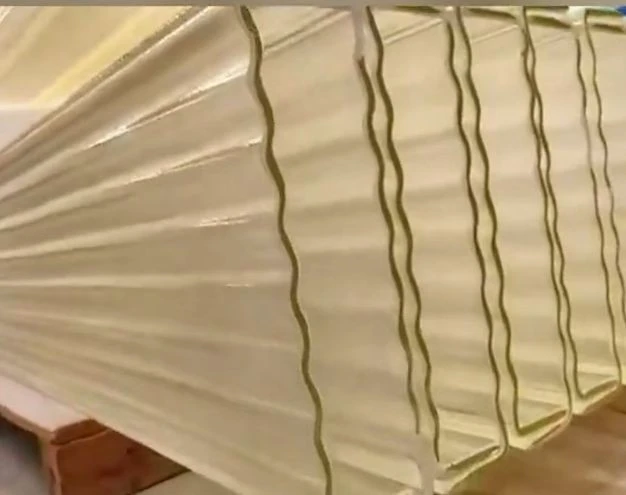
U Channel Glazing, also known as U-groove glass, is a type of architectural glass with a distinctive U-shaped cross-section. This unique design provides several advantages, including enhanced structural integrity and aesthetic appeal. It is commonly used in curtain walls, partitions, and other architectural applications, offering a modern and elegant look. You can learn more about U-groove Glass for Curtain Wall and U Channel Glazing on our website.
Factors Affecting Hail Resistance
The hail resistance of U Channel Glazing is influenced by several factors, including the glass type, thickness, and installation method. Let's take a closer look at each of these factors:
Glass Type
The type of glass used in U Channel Glazing plays a crucial role in its hail resistance. Tempered glass, for example, is known for its superior strength and durability. It is heat-treated to increase its resistance to impact and thermal stress, making it an excellent choice for areas prone to hail. Laminated glass, on the other hand, consists of two or more layers of glass bonded together with a plastic interlayer. This design provides additional protection against breakage, as the interlayer holds the glass fragments together in the event of impact.
Thickness
The thickness of the U Channel Glazing also affects its hail resistance. Thicker glass generally offers greater resistance to hail impact, as it can withstand more force without breaking. However, it's important to note that thicker glass may also be heavier and more expensive, so a balance must be struck between hail resistance and practicality.
Installation Method
Proper installation is essential for ensuring the hail resistance of U Channel Glazing. The glass should be installed in a way that allows it to flex and absorb the impact of hail without breaking. This may involve using flexible seals and gaskets to provide a cushioning effect. Additionally, the frame and support structure should be designed to withstand the forces exerted by hail, ensuring that the glazing remains intact during severe weather events.
Testing and Certification
To determine the hail resistance of U Channel Glazing, it is typically subjected to rigorous testing procedures. These tests simulate the impact of hail at various sizes and velocities, allowing manufacturers to evaluate the performance of the glazing under different conditions. One common test method is the ball drop test, in which a steel ball is dropped onto the glass from a specified height. The glass is then inspected for damage, and the results are used to determine its hail resistance rating.
In addition to testing, U Channel Glazing may also be certified by independent organizations to meet certain industry standards for hail resistance. These certifications provide assurance to customers that the glazing has been tested and meets the required safety and performance criteria.
Real-World Performance
While testing and certification provide valuable information about the hail resistance of U Channel Glazing in controlled environments, it's also important to consider its real-world performance. In regions prone to severe hail storms, U Channel Glazing has proven to be a reliable choice for protecting buildings and their occupants. Many architects and building owners have reported that U Channel Glazing has withstood large hailstones without significant damage, providing peace of mind during inclement weather.
Benefits of U Channel Glazing's Hail Resistance
The hail resistance of U Channel Glazing offers several benefits for building owners and occupants. These include:
Protection of Property
By withstanding the impact of hail, U Channel Glazing helps to protect the building's interior from damage. This can prevent costly repairs and replacements, saving building owners time and money in the long run.
Safety of Occupants
In the event of a hail storm, U Channel Glazing can help to prevent broken glass from falling onto the ground, reducing the risk of injury to occupants and passersby. This is especially important in high-rise buildings and public spaces.

Energy Efficiency
U Channel Glazing can also contribute to the energy efficiency of a building. By providing a barrier against the elements, it helps to reduce heat transfer and air leakage, resulting in lower energy costs and a more comfortable indoor environment.
Conclusion
In conclusion, the hail resistance of U Channel Glazing is a critical factor to consider when choosing glazing for your building. By understanding the factors that influence its hail resistance, testing and certification procedures, and real-world performance, you can make an informed decision about whether U Channel Glazing is the right choice for your project.
As a supplier of U Channel Glazing, we are committed to providing high-quality products that meet the highest standards of safety and performance. Our U Channel Glazing is available in a variety of glass types and thicknesses, allowing you to choose the option that best suits your needs. If you're interested in learning more about our U Channel Glazing or would like to discuss your project requirements, please don't hesitate to contact us. We look forward to working with you to find the perfect glazing solution for your building.
References
- ASTM International. (Year). Standard test methods for impact resistance of flat glass. ASTM C1036.
- National Fenestration Rating Council. (Year). Hail resistance testing and certification program.
- Glass Association of North America. (Year). Technical information on glass performance.
