

Hey there! As a supplier of silver mirror glass, I often get asked about the differences between silver mirror glass and chrome mirror glass. Well, let's dive right in and break it down.
Appearance
First off, let's talk about how they look. Silver mirror glass has a classic, warm, and soft reflective surface. It gives off a very natural and true - to - life reflection. When you look at yourself in a silver mirror, the colors are pretty much as they are in real life. It has a kind of elegance that's been loved for ages.
On the other hand, chrome mirror glass has a more modern and high - tech look. It has a very bright and sometimes slightly blue - tinted reflection. Chrome mirrors tend to make the reflected image look a bit cooler in tone. They can add a sleek and contemporary touch to any space. For example, in a modern - style office or a high - end showroom, chrome mirror glass can really make a statement.
Manufacturing Process
The way these two types of mirror glasses are made is quite different. Silver mirror glass is made through a chemical process called silvering. In this process, a thin layer of silver is deposited onto the back of a glass substrate. This is usually done in a carefully controlled environment to ensure an even and smooth layer of silver. After the silver layer is applied, there are often additional protective layers added to prevent the silver from oxidizing.
Chrome mirror glass, however, is created using a physical vapor deposition (PVD) process. In PVD, chromium is vaporized and then deposited onto the glass surface under high vacuum conditions. This results in a very durable and uniform chrome layer on the glass. The PVD process allows for more precise control over the thickness and quality of the chrome coating, which can affect the mirror's reflectivity and appearance.
Reflectivity
When it comes to reflectivity, silver mirror glass is known for its high reflectivity. It can reflect a large percentage of the light that hits it, usually around 90% or more. This high reflectivity is what gives silver mirrors their clear and bright reflections. It's great for applications where you need an accurate reflection, like in dressing rooms or bathrooms.
Chrome mirror glass also has good reflectivity, but it's typically a bit lower than that of silver mirror glass. It usually reflects around 80 - 85% of the light. However, the unique look of chrome mirrors, with their bright and sometimes slightly distorted reflections, can still be very appealing in certain settings.
Durability
Durability is an important factor to consider, especially for different applications. Silver mirror glass is relatively durable, but it can be prone to damage if not properly cared for. The silver layer can oxidize over time, especially in humid environments, which can cause the mirror to develop black spots or a hazy appearance. To prevent this, many silver mirror glasses are coated with protective layers. For instance, Tempered Silver Mirror Glass is more resistant to breakage due to the tempering process, which makes it a great choice for high - traffic areas.
Chrome mirror glass, on the other hand, is very durable. The chrome layer is highly resistant to scratches, corrosion, and oxidation. It can withstand harsh environments and is less likely to develop blemishes over time. This makes chrome mirror glass a good option for outdoor applications or areas with high levels of moisture and chemicals.
Cost
Cost is always a consideration when choosing between different types of mirror glasses. Silver mirror glass is generally more affordable than chrome mirror glass. The materials and manufacturing process for silver mirror glass are relatively less expensive. This makes it a popular choice for budget - conscious projects, such as residential bathrooms or small - scale commercial installations.
Chrome mirror glass, with its more complex manufacturing process and the use of chromium, is more expensive. However, its durability and unique appearance can justify the higher cost for certain high - end projects, like luxury hotels or high - end retail stores.
Applications
Silver mirror glass has a wide range of applications. It's commonly used in bathrooms, bedrooms, and dressing rooms. Bathroom Silver Mirror Glass is designed to withstand the humid conditions in bathrooms and provide a clear reflection for daily grooming. It's also used in furniture, such as vanity cabinets and wardrobe doors, to add a touch of elegance.
Chrome mirror glass is often used in modern architecture and interior design. It can be found in commercial spaces like offices, restaurants, and showrooms to create a contemporary and sophisticated look. Chrome mirrors are also used in automotive applications, such as side mirrors and rear - view mirrors, due to their durability and resistance to environmental factors.
Environmental Impact
In terms of environmental impact, there are some differences between the two. Silver mirror glass can be a bit more environmentally friendly in some ways. The silver used in silver mirror glass can be recycled, and the manufacturing process doesn't involve as many toxic chemicals as some other processes. However, the protective coatings used on silver mirror glass may contain some chemicals that need to be properly disposed of.
Chrome mirror glass, on the other hand, uses chromium, which is a heavy metal. While the PVD process is relatively clean, the extraction and processing of chromium can have a significant environmental impact. However, the long - term durability of chrome mirror glass means that it may need to be replaced less frequently, which can offset some of the initial environmental costs.
Maintenance
Maintaining silver mirror glass requires a bit of care. You should use a mild glass cleaner and a soft cloth to clean it. Avoid using abrasive cleaners or scrubbers, as they can scratch the protective layers and damage the silver coating. In humid environments, it's a good idea to keep the air circulation around the mirror to prevent moisture from building up.

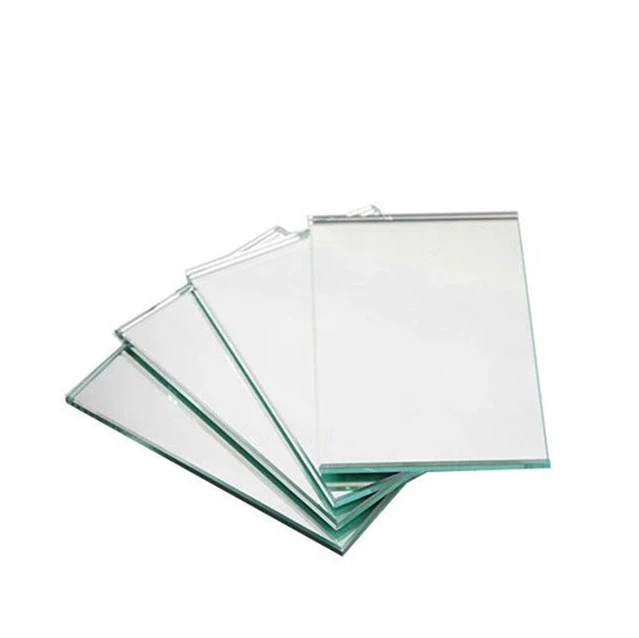
Chrome mirror glass is easier to maintain. You can clean it with a regular glass cleaner, and it's more resistant to scratches and stains. However, it's still important to avoid using harsh chemicals that could damage the chrome layer.
So, there you have it! The differences between silver mirror glass and chrome mirror glass are quite significant. Whether you choose silver mirror glass or chrome mirror glass depends on your specific needs, budget, and the look you're going for. If you're interested in our Copper Free Silver Mirror Glass or any other silver mirror glass products, feel free to reach out to us for more information and to discuss your procurement needs. We're here to help you find the perfect mirror glass solution for your project.
References
- "Mirror Glass Manufacturing Processes" - Glass Industry Journal
- "Comparative Study of Reflective Properties of Different Mirror Glasses" - Journal of Materials Science
- "Environmental Impact of Mirror Glass Production" - Environmental Science Review
