

Pattern glass, a unique type of glass that combines aesthetic appeal with functional properties, has gained significant popularity in various architectural and interior design applications. As a leading pattern glass supplier, we are often asked about the acoustic performance of pattern glass. In this blog post, we will delve into the factors that influence the acoustic performance of pattern glass and explore its potential applications in noise control.
Understanding Acoustic Performance
Acoustic performance refers to the ability of a material to absorb, reflect, or transmit sound. When it comes to glass, the acoustic performance is determined by several factors, including the thickness, density, and composition of the glass, as well as the presence of any coatings or laminations. Pattern glass, with its unique surface patterns and textures, can have a significant impact on its acoustic properties.
Factors Affecting the Acoustic Performance of Pattern Glass
1. Thickness
The thickness of the pattern glass plays a crucial role in its acoustic performance. Generally, thicker glass has better sound insulation properties than thinner glass. This is because thicker glass has more mass, which makes it more difficult for sound waves to pass through. As a result, it can effectively reduce the transmission of sound and create a quieter environment.
2. Pattern and Texture
The pattern and texture of the pattern glass can also affect its acoustic performance. The irregular surface of the pattern glass can scatter sound waves, which can help to reduce the intensity of the sound. Additionally, the pattern and texture can create small air pockets between the glass and the surrounding environment, which can act as sound absorbers. This can further enhance the acoustic performance of the pattern glass.
3. Glass Composition
The composition of the pattern glass can also have an impact on its acoustic performance. Different types of glass have different densities and acoustic properties. For example, laminated glass, which consists of two or more layers of glass bonded together with a plastic interlayer, can provide better sound insulation than single-pane glass. This is because the plastic interlayer can absorb and dampen sound waves, reducing the transmission of sound.
4. Installation
The installation of the pattern glass can also affect its acoustic performance. Proper installation is essential to ensure that the glass is sealed tightly and there are no gaps or leaks. Any gaps or leaks can allow sound to pass through, reducing the effectiveness of the sound insulation. Additionally, the use of appropriate seals and gaskets can help to improve the acoustic performance of the pattern glass.
Applications of Pattern Glass in Noise Control
1. Architectural Applications
Pattern glass can be used in a variety of architectural applications to control noise. For example, it can be used in windows, doors, partitions, and facades to reduce the transmission of sound from the outside environment. In commercial buildings, pattern glass can be used in offices, conference rooms, and other areas where noise control is important. In residential buildings, pattern glass can be used in bedrooms, living rooms, and other areas where a quiet environment is desired.
2. Interior Design Applications
Pattern glass can also be used in interior design applications to enhance the acoustic performance of a space. For example, it can be used in wall panels, ceiling tiles, and room dividers to absorb and reflect sound. In addition to its acoustic properties, pattern glass can also add a decorative element to the space, creating a unique and stylish look.
Our Pattern Glass Products
As a pattern glass supplier, we offer a wide range of pattern glass products to meet the diverse needs of our customers. Our products include Transparent Patterned Glass, Decorative Textured Glass, and Colored Patterned Glass. Each of our products is carefully designed and manufactured to ensure high quality and excellent acoustic performance.

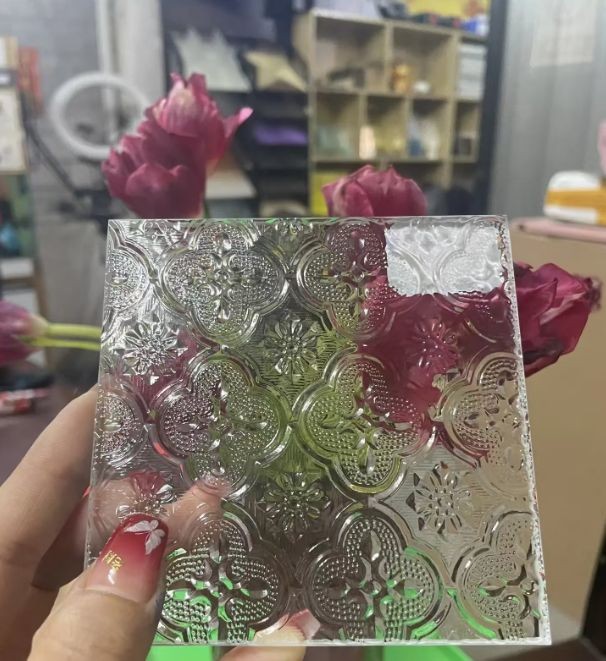
Our transparent patterned glass offers the perfect combination of transparency and pattern, allowing natural light to enter the space while adding a touch of privacy. The decorative textured glass, on the other hand, features unique textures and patterns that can enhance the aesthetic appeal of any space. Our colored patterned glass adds a splash of color to the design, making it a great choice for creating a vibrant and dynamic environment.
Conclusion
In conclusion, the acoustic performance of pattern glass is influenced by several factors, including thickness, pattern and texture, glass composition, and installation. By understanding these factors, you can choose the right pattern glass for your specific needs and applications. Whether you are looking for a solution to reduce noise in your home or office, or you want to add a decorative element to your space, our pattern glass products can provide the perfect solution.
If you are interested in learning more about our pattern glass products or would like to discuss your specific requirements, please feel free to contact us. Our team of experts is always ready to assist you and provide you with the best possible solutions. We look forward to working with you and helping you achieve your design goals.
References
- ASTM International. (2021). Standard Test Method for Laboratory Measurement of Airborne Sound Transmission Loss of Building Partitions and Elements. ASTM E90-20.
- ISO. (2016). Acoustics - Rating of sound insulation in buildings and of building elements. ISO 717-1:2013.
- Glass Association of North America. (2022). Acoustical Performance of Glass. Technical Information Series.
