

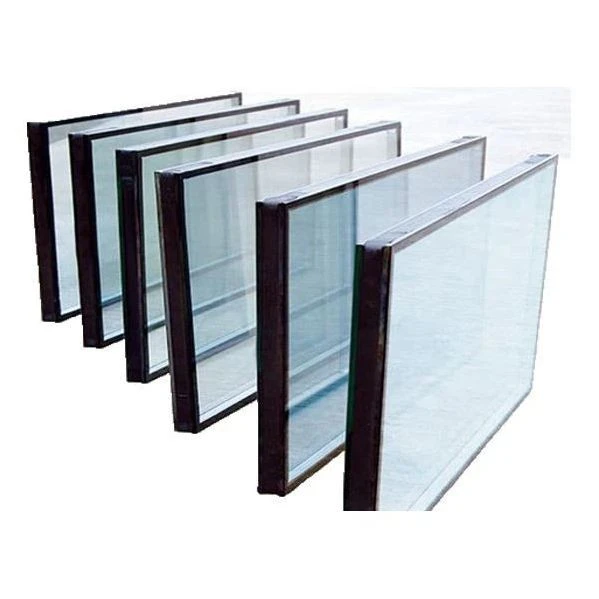
Insulating glass, also known as double - glazed or triple - glazed glass, consists of two or more glass panes separated by a spacer and sealed to create an insulating space. As a supplier of insulating glass, I have witnessed its widespread use in various construction projects. In this blog, I will delve into the environmental impacts of insulating glass, exploring both the positive and negative aspects.
Positive Environmental Impacts
Energy Efficiency
One of the most significant environmental benefits of insulating glass is its ability to improve energy efficiency in buildings. By creating a thermal barrier, insulating glass reduces the transfer of heat between the interior and exterior of a building. In cold climates, it keeps the warm air inside, reducing the need for heating systems to work overtime. Conversely, in hot climates, it prevents the entry of heat from the outside, lessening the reliance on air - conditioning.
According to the U.S. Department of Energy, energy - efficient windows, including insulating glass, can save homeowners up to 30% on their energy bills. This reduction in energy consumption directly translates to a decrease in greenhouse gas emissions. Since a large portion of energy generation still relies on fossil fuels, less energy demand means fewer carbon dioxide, sulfur dioxide, and nitrogen oxide emissions released into the atmosphere.
For example, a commercial building with a large facade made of traditional single - pane glass would experience significant heat loss in winter. By replacing it with Low - E Glass for Buildings, which is a type of insulating glass with a low - emissivity coating, the building can maintain a more stable indoor temperature. This not only saves energy but also reduces the building's carbon footprint.
Noise Reduction
Insulating glass also provides excellent noise insulation. In urban areas, where noise pollution from traffic, construction, and other sources is a major concern, using Double - layer Soundproof Glass can create a quieter indoor environment. This is beneficial for the well - being of building occupants, as excessive noise can lead to stress, sleep disturbances, and even hearing loss.
From an environmental perspective, noise reduction can have a positive impact on wildlife. In areas near buildings, excessive human - made noise can disrupt the natural behavior of animals, such as mating, feeding, and migration. By reducing noise transmission through insulating glass, we can help preserve the natural habitat and behavior of local wildlife.
Longevity and Durability
Insulating glass is designed to be long - lasting. It is resistant to weathering, scratches, and other forms of damage. This means that once installed, it does not need to be replaced frequently. Compared to other building materials that have a shorter lifespan and require more frequent replacement, insulating glass reduces the demand for raw materials and energy associated with the manufacturing and disposal of building products.
For instance, a well - installed double - glazed window can last for 20 - 30 years. During this time, it continues to provide energy - saving and noise - reducing benefits without the need for major repairs or replacements. This long - term durability contributes to a more sustainable building environment.

Negative Environmental Impacts
Manufacturing Process
The manufacturing of insulating glass is an energy - intensive process. It involves melting raw materials such as silica sand, soda ash, and limestone at high temperatures, which requires a significant amount of energy. Additionally, the production of the spacers, seals, and coatings used in insulating glass also consumes energy and resources.
The extraction of raw materials can also have environmental consequences. Mining for silica sand, for example, can lead to habitat destruction, soil erosion, and water pollution. Moreover, the transportation of these raw materials to the manufacturing plant and the finished products to the construction site further contributes to greenhouse gas emissions.
Disposal and Recycling Challenges
At the end of its lifespan, insulating glass can pose challenges for disposal and recycling. The complex structure of insulating glass, which includes multiple layers of glass, spacers, and seals, makes it difficult to recycle. Currently, the recycling rate of insulating glass is relatively low, and a large portion of it ends up in landfills.
The presence of coatings and seals in insulating glass can also contaminate the recycling process. For example, some low - emissivity coatings contain metals such as silver, which can be difficult to separate from the glass during recycling. This not only wastes valuable resources but also contributes to environmental pollution if the glass is not disposed of properly.
Mitigating the Negative Impacts
Sustainable Manufacturing Practices
Manufacturers of insulating glass can adopt more sustainable manufacturing practices to reduce their environmental impact. This includes using renewable energy sources, such as solar or wind power, to meet the energy needs of the manufacturing process. Additionally, improving the efficiency of the manufacturing process can reduce energy consumption and waste generation.
For example, some manufacturers are investing in new technologies that allow for more precise control of the melting and coating processes, reducing the amount of energy and raw materials required. They are also exploring the use of recycled glass in the production of insulating glass, which can help reduce the demand for virgin raw materials.
Recycling Initiatives
To address the disposal and recycling challenges, there is a need for more effective recycling initiatives. This can involve developing new recycling technologies that can separate the different components of insulating glass more efficiently. Governments and industry associations can also play a role by implementing policies and incentives to encourage the recycling of insulating glass.
For instance, some regions have established glass recycling programs specifically for insulating glass. These programs collect used insulating glass from construction sites and recycling centers, and then process it to extract valuable materials. By increasing the recycling rate of insulating glass, we can reduce the amount of waste sent to landfills and conserve natural resources.
Conclusion
As a supplier of insulating glass, I am well - aware of its environmental impacts. While insulating glass offers significant benefits in terms of energy efficiency, noise reduction, and durability, it also has some negative environmental consequences associated with its manufacturing and disposal.
However, by adopting sustainable manufacturing practices and promoting effective recycling initiatives, we can mitigate these negative impacts and make insulating glass a more environmentally friendly building material. As the demand for energy - efficient and sustainable buildings continues to grow, insulating glass will play an important role in creating a more sustainable future.
If you are interested in learning more about our insulating glass products, including Double - layer Heat - insulating Glass, and how they can benefit your building project, please feel free to contact us for a procurement discussion. We are committed to providing high - quality, environmentally friendly insulating glass solutions to meet your needs.
References
- U.S. Department of Energy. (n.d.). Energy - efficient windows. Retrieved from [Website URL]
- Various industry reports on the manufacturing and recycling of insulating glass.
