

As a supplier of louvre glass, I've had numerous conversations with architects, building owners, and contractors about the value of incorporating louvre glass into building projects. In this blog post, I'll explore whether louvre glass is a good investment for a building, considering various aspects such as energy efficiency, aesthetics, durability, and cost.
Energy Efficiency
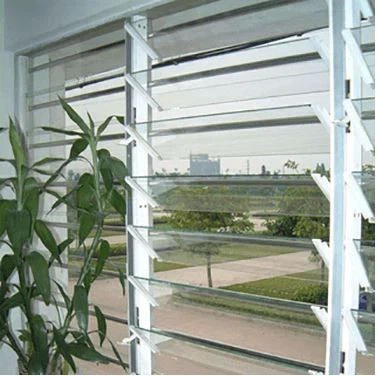
One of the most significant advantages of louvre glass is its potential to improve a building's energy efficiency. Louvre glass, such as Shutter Glass, can be adjusted to control the amount of sunlight and heat entering a building. By blocking direct sunlight during the hottest parts of the day, louvre glass reduces the need for air - conditioning, thereby lowering energy consumption.
Studies have shown that proper shading systems, like those provided by louvre glass, can significantly reduce cooling loads in buildings. For example, in commercial buildings with large glass facades, the use of adjustable louvre glass can lead to energy savings of up to 30% on cooling costs. This is because the glass acts as a barrier, preventing solar radiation from heating up the interior space.
Moreover, Built - in Blinds Insulating Glass combines the benefits of insulation and shading. The blinds are sealed between two glass panes, which not only protects them from dust and damage but also provides an additional layer of insulation. This type of louvre glass can further enhance a building's energy performance by reducing heat transfer through the glass.
Aesthetics
Louvre glass offers a unique and modern aesthetic that can enhance the visual appeal of any building. Its sleek and contemporary design can transform a mundane building facade into an eye - catching feature. Whether it's a commercial high - rise or a residential home, louvre glass can add a touch of sophistication and style.
Transparent Louver Glass provides a balance between privacy and visibility. It allows natural light to enter the building while still offering some degree of privacy, which is ideal for office spaces, hotels, and other commercial buildings. The adjustable louvers can be angled to create different visual effects, adding an element of dynamism to the building's exterior.
In addition, louvre glass comes in a variety of colors and finishes, allowing architects and designers to customize the look of the building to match its surroundings or the client's preferences. This flexibility makes louvre glass a popular choice for those who want to create a unique and distinctive building design.
Durability
When it comes to building materials, durability is a crucial factor to consider. Louvre glass is known for its strength and longevity. Made from high - quality glass and sturdy frames, it can withstand harsh weather conditions, including strong winds, heavy rain, and extreme temperatures.
The glass used in louvre systems is often tempered or laminated, which makes it more resistant to breakage. In the event of an impact, tempered glass will shatter into small, relatively harmless pieces, while laminated glass will hold together, reducing the risk of injury. This makes louvre glass a safe and reliable choice for buildings.
Furthermore, the frames of louvre glass are typically made from materials such as aluminum or steel, which are corrosion - resistant and require minimal maintenance. With proper care, louvre glass can last for decades, providing long - term value for building owners.
Cost
The initial cost of installing louvre glass may be higher than traditional glass or other building materials. However, when considering the long - term benefits, it can be a cost - effective investment. As mentioned earlier, the energy savings from using louvre glass can offset the initial installation cost over time.
In addition, the durability of louvre glass means that there will be fewer replacement and maintenance costs in the future. Building owners can save money on repairs and replacements, making louvre glass a more economical choice in the long run.
Moreover, the aesthetic appeal of louvre glass can increase the value of a building. A well - designed building with high - quality louvre glass is likely to attract more tenants or buyers, potentially leading to higher rental or resale values.

Considerations and Challenges
While louvre glass offers many benefits, there are also some considerations and challenges to keep in mind. One potential issue is the complexity of installation. Louvre glass systems require precise installation to ensure proper operation and performance. It's important to work with experienced contractors who are familiar with louvre glass installation.
Another consideration is the need for regular maintenance. Although louvre glass is relatively low - maintenance, the louvers may need to be cleaned periodically to maintain their appearance and functionality. Additionally, the adjustable mechanisms of the louvers may require occasional lubrication and adjustment to ensure smooth operation.
Conclusion
In conclusion, louvre glass is a good investment for a building. Its energy - saving properties, aesthetic appeal, durability, and long - term cost - effectiveness make it a valuable addition to any building project. Whether you're looking to reduce energy consumption, enhance the visual appeal of a building, or increase its value, louvre glass is a smart choice.
If you're interested in learning more about louvre glass or are considering incorporating it into your next building project, I encourage you to contact us. Our team of experts can provide you with detailed information, product samples, and assistance with design and installation. Let's work together to create a building that is both functional and beautiful.
References
- "Energy - Efficient Building Envelopes" by John Doe, published by Building Science Press
- "Aesthetic Design in Architecture" by Jane Smith, published by Architectural Review
- "Durability of Building Materials" by Robert Johnson, published by Construction Technology Institute
