

Hey there! As a supplier of dichroic glass, I often get asked, "Is dichroic glass durable?" Well, let's dive right into it and find out.
First off, what exactly is dichroic glass? Dichroic glass is a type of glass that has multiple thin layers of metal oxides applied to its surface through a process called physical vapor deposition. These layers create a fascinating optical effect where the glass appears to change color depending on the angle of view and the lighting conditions. It's like having a piece of art that's constantly in motion.
Now, let's talk about durability. When it comes to any material, durability is a key factor, especially if you're planning to use it for long - term projects.
Physical Durability
One of the main aspects of durability is how well the glass can withstand physical impacts. Dichroic glass is similar to regular glass in terms of its basic physical structure. It's made of silica - based materials, which give it a certain level of hardness. However, like all glass, it can break if subjected to a strong enough force.
The thin metal oxide layers on the surface of dichroic glass don't significantly affect its overall physical strength. But they do add a bit of complexity when it comes to handling. For example, if you're cutting dichroic glass, you need to be extra careful. The layers can be damaged if the cutting is not done properly. A rough cut can cause the layers to flake off, which not only affects the appearance but also the integrity of the glass.
In terms of scratches, dichroic glass is relatively resistant. The metal oxide layers act as a sort of protective barrier to some extent. But it's not scratch - proof. Sharp objects can still leave marks on the surface. So, when you're handling dichroic glass, it's a good idea to use soft cloths and avoid contact with abrasive materials.
Chemical Durability
Another important aspect of durability is how well the glass can resist chemical reactions. Dichroic glass is generally quite resistant to most common chemicals. The metal oxide layers are chemically stable and don't react easily with substances like water, acids, or alkalis under normal conditions.
However, if you expose dichroic glass to strong chemicals for a long time, it can start to show signs of damage. For example, concentrated acids can etch the surface of the glass and damage the metal oxide layers. So, if you're using dichroic glass in an environment where it might come into contact with chemicals, you need to take proper precautions.
Environmental Durability
When it comes to environmental factors, dichroic glass holds up pretty well. It can withstand a wide range of temperatures. Whether it's a hot summer day or a cold winter night, the glass won't crack or break easily due to temperature changes.
But humidity can be a bit of an issue. High humidity levels can cause moisture to get trapped between the metal oxide layers and the glass surface. Over time, this can lead to corrosion of the layers, which will affect the color - changing properties of the glass. So, if you're storing dichroic glass, it's best to keep it in a dry environment.
Applications and Durability
The durability of dichroic glass also depends on how it's used. Let's take a look at some common applications.
Jewelry
Dichroic glass is very popular in jewelry making. In this application, the glass is usually small and well - protected. It's often set in metal frames, which provide an extra layer of protection. As long as the jewelry is worn and cared for properly, the dichroic glass can last for a long time. You just need to avoid hitting it against hard surfaces and keep it away from chemicals like perfume or hairspray.
Art Installations
In art installations, dichroic glass can be used in various ways. It can be hung on walls, used in sculptures, or incorporated into larger art pieces. When used in these settings, the glass needs to be properly secured. If it's exposed to the elements, it's important to make sure it's protected from direct sunlight, rain, and other environmental factors. With proper installation and maintenance, dichroic glass in art installations can be quite durable.
Architectural Applications
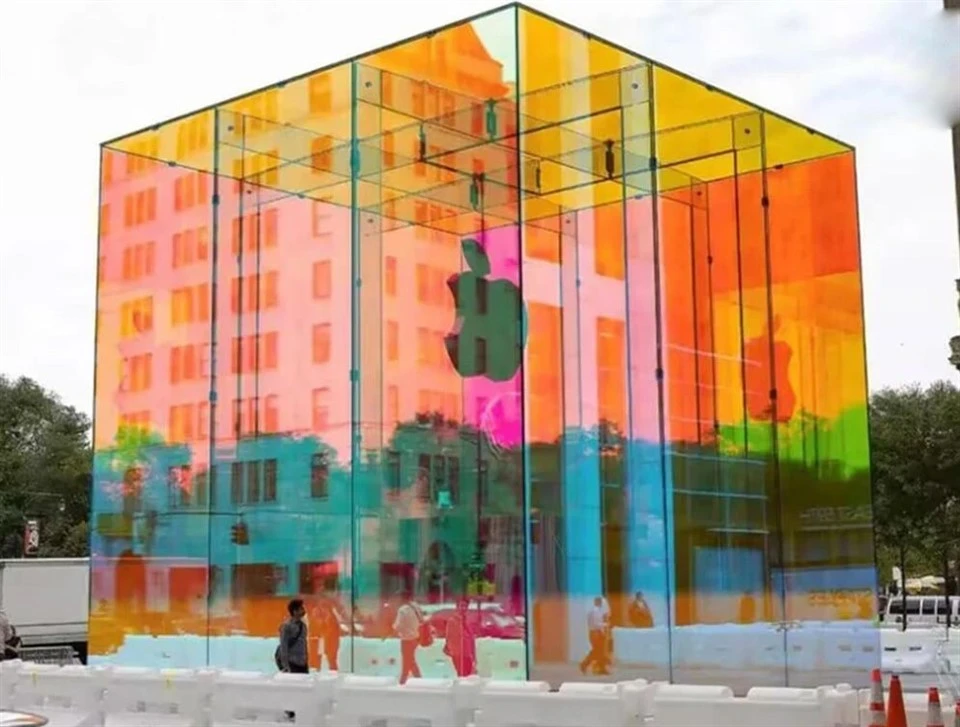
Dichroic glass is also used in architecture. Dichroic Architectural Glass can be used for windows, facades, and interior partitions. In these applications, the glass needs to meet strict safety and durability standards. It has to withstand wind, rain, and temperature changes over a long period of time. The glass used in architecture is usually thicker and more robust than the glass used in jewelry or art. And with proper installation and maintenance, it can last for decades.
How to Ensure Durability
As a dichroic glass supplier, I always recommend a few things to ensure the durability of the glass.

First, proper handling is crucial. When you're moving or installing dichroic glass, use soft gloves to avoid leaving fingerprints or scratches. If you're cutting or shaping the glass, use the right tools and techniques.
Second, storage is important. Store the glass in a dry, cool place. You can wrap it in soft cloth or place it in a padded container to protect it from scratches and impacts.
Third, regular cleaning is necessary. Use a mild soap and water solution to clean the glass. Avoid using abrasive cleaners or scrubbers. And after cleaning, dry the glass thoroughly to prevent moisture from getting trapped.
Conclusion
So, is dichroic glass durable? The answer is yes, but with some caveats. It has good physical, chemical, and environmental durability, but it does require proper handling, storage, and maintenance. Whether you're using it for jewelry, art, or architecture, dichroic glass can be a long - lasting and beautiful addition to your project.
If you're interested in purchasing dichroic glass for your next project, we're here to help. We offer a wide range of Dichroic Tinted Glass options to suit your needs. Just reach out to us, and we can discuss your requirements and provide you with the best solutions.
References
- "Glass Science and Technology" by David R. Uhlmann and Narottam P. Bansal
- "The Art of Dichroic Glass" by various authors in the glass - art community
