

Insulating glass is a cornerstone in modern construction, offering enhanced energy efficiency, noise reduction, and thermal comfort. As a leading supplier of insulating glass, we understand the importance of preventing problems associated with this product. In this blog, we'll delve into practical strategies to maintain the integrity and performance of insulating glass, ensuring long - term satisfaction for our customers.
Understanding Insulating Glass
Insulating glass units (IGUs) typically consist of two or more glass panes separated by a spacer filled with a desiccant and sealed around the edges. The space between the panes can be filled with air or an inert gas such as argon or krypton, which improves the unit's insulating properties. There are different types of insulating glass available, including Laminated Insulated Glass Units, Triple Pane Insulated Glass, and Double Insulating Glass. Each type has its own unique characteristics and applications, but they all share the common goal of providing superior insulation.
Common Problems with Insulating Glass
Before we discuss prevention methods, it's essential to understand the common issues that can arise with insulating glass.
- Seal Failure: The most prevalent problem is seal failure. When the seal around the edges of the IGU breaks, moisture can enter the space between the panes. This leads to condensation on the inside of the glass, reducing visibility and the unit's insulating effectiveness.
- Desiccant Saturation: The desiccant in the spacer is responsible for absorbing any moisture that enters the unit. Over time, if the seal is compromised or the desiccant is of poor quality, it can become saturated. Once saturated, it can no longer perform its function, and moisture will accumulate between the panes.
- Glass Breakage: Physical impact or thermal stress can cause the glass to break. Broken glass not only compromises the aesthetic appeal of the installation but also poses a safety risk and reduces the insulating properties of the unit.
- Coating Damage: Some insulating glass units have low - emissivity (low - e) coatings that help reduce heat transfer. These coatings can be damaged during installation, cleaning, or normal use, which can diminish the unit's energy - efficiency.
Prevention Strategies
1. Quality Selection
- Choose High - Quality Materials: As a supplier, we ensure that we source the best materials for our insulating glass units. High - quality glass, spacers, desiccants, and sealants are essential for long - lasting performance. For example, using a high - grade butyl sealant can significantly improve the durability of the edge seal.
- Opt for Reputable Manufacturers: Partnering with well - known and reliable manufacturers is crucial. Reputable manufacturers adhere to strict quality control standards, which reduces the likelihood of defects in the insulating glass units.
2. Proper Installation
- Follow Manufacturer Guidelines: Installation is a critical step in preventing problems with insulating glass. It's essential to follow the manufacturer's installation instructions precisely. This includes proper handling of the units, correct placement of the spacers, and ensuring a tight seal around the edges.
- Use Trained Installers: Employing trained and experienced installers can make a significant difference. They are familiar with the best practices for installing insulating glass, such as avoiding over - tightening of the fasteners, which can cause stress on the glass and lead to breakage.
3. Regular Maintenance
- Cleaning: Regular cleaning is necessary to keep the insulating glass looking its best and to prevent damage to the coatings. Use a mild, non - abrasive cleaner and a soft cloth or sponge. Avoid using harsh chemicals or abrasive materials that can scratch the glass or damage the low - e coatings.
- Inspection: Periodic inspections of the insulating glass units can help detect early signs of problems. Check for any signs of condensation between the panes, cracks in the glass, or damage to the seals. Early detection allows for timely repairs, which can prevent more significant issues from developing.
4. Environmental Considerations
- Avoid Extreme Temperatures: Insulating glass units can be affected by extreme temperature changes. When installing insulating glass in areas with high temperature differentials, such as near heating or cooling vents, it's important to take precautions. For example, using a tempered glass option can increase the unit's resistance to thermal stress.
- Protect from Physical Impact: In high - traffic areas or locations where there is a risk of impact, consider using laminated or tempered glass. These types of glass are more resistant to breakage and can provide an extra layer of protection.
5. Storage and Handling
- Proper Storage: During storage, insulating glass units should be stored in an upright position in a clean, dry environment. They should be protected from direct sunlight, moisture, and physical damage. Improper storage can cause stress on the glass and seals, leading to premature failure.
- Gentle Handling: When transporting and handling the units, care should be taken to avoid rough treatment. Use appropriate lifting equipment and ensure that the units are properly supported to prevent breakage.
Case Studies
To illustrate the effectiveness of these prevention strategies, let's look at a few case studies.

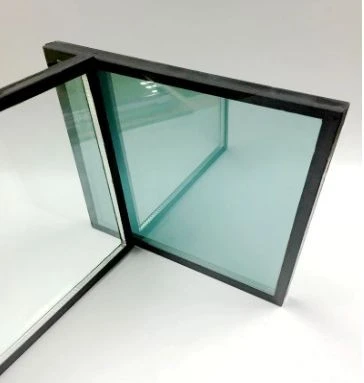
- Commercial Building A: This building had double - pane insulating glass units installed. The installation was carried out by a team of trained professionals following the manufacturer's guidelines. Regular maintenance was scheduled, including annual inspections and cleaning. After five years, only a small number of units showed minor signs of wear, and no significant problems such as seal failure or coating damage were reported.
- Residential Home B: In contrast, a residential home had insulating glass units installed by inexperienced installers who did not follow the proper installation procedures. Within a year, several units developed condensation between the panes due to seal failure. The homeowners had to replace the affected units, which was a costly and inconvenient process.
Conclusion
Preventing problems with insulating glass requires a combination of quality selection, proper installation, regular maintenance, and environmental considerations. As a supplier, we are committed to providing our customers with high - quality insulating glass units and offering guidance on how to ensure their long - term performance. By following the strategies outlined in this blog, you can enjoy the benefits of energy - efficient, durable, and aesthetically pleasing insulating glass for many years to come.
If you are interested in purchasing insulating glass for your next project, we invite you to contact us for a consultation. Our team of experts is ready to assist you in selecting the right type of insulating glass for your specific needs and to provide you with all the information you need to ensure a successful installation.
References
- "Insulating Glass: A Guide to Selection and Installation" - Glass Association of North America
- "Best Practices for Maintaining Insulating Glass Units" - Fenestration Manufacturers Association
- "The Impact of Environmental Factors on Insulating Glass Performance" - Journal of Building Science and Technology
