

Hey there! As a supplier of louvre glass, I've spent a ton of time thinking about how this amazing material interacts with sunlight. It's not just about aesthetics; it's about functionality, energy efficiency, and creating a comfortable environment. So, let's dive into the world of louvre glass and sunlight!
How Louvre Glass Works with Sunlight
First off, what exactly is louvre glass? Well, it's a type of glass that has horizontal or vertical slats, kind of like the shutters on a window. These slats can be adjusted to control the amount of sunlight that enters a space. When the slats are open, sunlight can stream in, brightening up the room and providing natural light. But when you need to block out the sun, you can close the slats, reducing glare and heat gain.
One of the coolest things about louvre glass is its ability to diffuse sunlight. Instead of having harsh, direct sunlight shining into a room, the slats break up the light, creating a more even and柔和的 illumination. This is especially great for spaces where you want to avoid glare on computer screens or in art galleries, where direct sunlight can damage paintings.
Another benefit of louvre glass is its energy efficiency. By controlling the amount of sunlight that enters a building, you can reduce the need for artificial lighting and air conditioning. In the summer, closing the slats can block out the hot sun, keeping the interior cool. And in the winter, opening the slats allows sunlight to warm up the space, reducing heating costs.
Different Types of Louvre Glass and Their Interaction with Sunlight
There are several different types of louvre glass, each with its own unique way of interacting with sunlight. Let's take a look at a few of them:
Transparent Louver Glass
Transparent Louver Glass is a popular choice for those who want to enjoy the view while still controlling the sunlight. The slats are made of transparent material, so when they're open, you can see through the glass clearly. But when they're closed, they block out a significant amount of sunlight. This type of louvre glass is great for offices, homes, and commercial buildings.
Built-in Blinds Insulating Glass
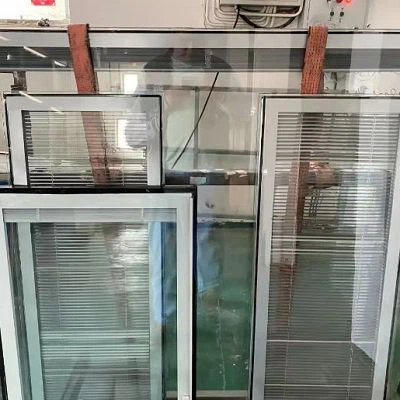
Built-in Blinds Insulating Glass takes the concept of louvre glass a step further. The blinds are built right into the glass, so they're protected from dust and damage. This type of glass provides excellent insulation, as the blinds help to trap air between the panes, reducing heat transfer. It also offers great control over sunlight, as you can adjust the blinds to let in as much or as little light as you want.
Shutter Glass
Shutter Glass is another option for controlling sunlight. The shutters are attached to the outside of the glass, and they can be opened and closed like traditional shutters. This type of glass is great for adding a touch of style to a building, as well as providing protection from the sun and privacy.
Factors That Affect How Louvre Glass Interacts with Sunlight
There are several factors that can affect how louvre glass interacts with sunlight. Here are a few of them:
Slat Angle
The angle of the slats is one of the most important factors. By adjusting the angle, you can control the amount of sunlight that enters a space. For example, if you want to block out the sun completely, you can close the slats completely. But if you want to let in some light, you can open the slats at a slight angle.
Slat Width
The width of the slats also affects how much sunlight is blocked. Wider slats will block more sunlight than narrower slats. However, wider slats may also reduce the view when they're closed.
Glass Type
The type of glass used in the louvre glass can also affect its interaction with sunlight. For example, tinted glass can reduce the amount of sunlight that enters a space, while clear glass allows more light to pass through.
Orientation
The orientation of the building and the louvre glass also plays a role. If the louvre glass is facing south, it will receive more direct sunlight than if it's facing north. This means that you may need to adjust the slats more frequently to control the sunlight.
Real-World Applications of Louvre Glass and Sunlight Interaction
Louvre glass is used in a wide variety of applications, from residential homes to commercial buildings. Here are a few examples of how it's used to interact with sunlight:
Residential Homes
In residential homes, louvre glass can be used in windows, doors, and skylights. It can help to control the amount of sunlight that enters the home, reducing glare and heat gain. This can make the home more comfortable and energy-efficient.
Commercial Buildings
In commercial buildings, louvre glass is often used in office buildings, hotels, and retail stores. It can be used to create a more comfortable working environment, reduce energy costs, and enhance the aesthetic appeal of the building.
Art Galleries and Museums
In art galleries and museums, louvre glass is used to protect the artwork from direct sunlight. The slats can be adjusted to provide the right amount of light without causing damage to the paintings or sculptures.
Conclusion
As you can see, louvre glass is a versatile and practical material that can have a significant impact on how sunlight interacts with a space. Whether you're looking to control glare, reduce heat gain, or create a more comfortable environment, louvre glass is a great option.
If you're interested in learning more about louvre glass or are considering a purchase, I'd love to chat with you. Just reach out, and we can discuss your specific needs and how our louvre glass can meet them. Let's work together to create a space that's both beautiful and functional!

References
- "Glass and Glazing Handbook" by John W. Stow
- "Energy-Efficient Building Design" by Edward Allen and Joseph Iano
- "Architectural Graphics Standards" by The American Institute of Architects
