

When it comes to safety and security in architectural and automotive applications, two types of glass often come into consideration: laminated glass and bullet-resistant glass. As a supplier of laminated glass, I've had the opportunity to see firsthand the characteristics, advantages, and limitations of both types of glass. In this blog post, I'll compare laminated glass with bullet-resistant glass to help you make an informed decision for your specific needs.
Composition and Structure
Laminated glass consists of two or more layers of glass bonded together with an interlayer, typically made of polyvinyl butyral (PVB). This interlayer holds the glass layers together even when the glass is broken, preventing shards from flying apart. The process of creating laminated glass involves heating and pressing the glass layers and the interlayer under high pressure, which results in a strong and durable bond.
There are different types of laminated glass available, such as Laminated Low-e Glass, Clear PVB Laminated Glass, and Float Laminated Glass. Each type has its own unique properties and applications. For example, Laminated Low-e Glass has a low-emissivity coating that helps to reduce heat transfer, making it suitable for energy-efficient buildings.
Bullet-resistant glass, on the other hand, is a specialized type of glass designed to withstand the impact of bullets and other projectiles. It is typically composed of multiple layers of glass and polycarbonate or other transparent materials. The exact composition and structure of bullet-resistant glass depend on the level of protection required. Higher levels of protection require thicker and more complex glass systems.
Safety and Security Features
One of the primary advantages of laminated glass is its safety features. When laminated glass is broken, the interlayer holds the glass fragments in place, reducing the risk of injury from flying shards. This makes laminated glass an ideal choice for applications where safety is a concern, such as in buildings, vehicles, and display cases.
In addition to its safety features, laminated glass also provides some level of security. It can resist forced entry to a certain extent, as the interlayer makes it difficult to break through the glass quickly. However, laminated glass is not designed to withstand high-velocity impacts, such as those from bullets or explosions.
Bullet-resistant glass, as the name suggests, is specifically designed to provide a high level of security against ballistic threats. It can stop bullets of various calibers and velocities, depending on its level of protection. Bullet-resistant glass is commonly used in high-security applications, such as banks, government buildings, and military installations.
Transparency and Aesthetics
Both laminated glass and bullet-resistant glass offer high levels of transparency, allowing for clear visibility. Laminated glass can be made to be virtually indistinguishable from regular glass, making it a popular choice for architectural applications where aesthetics are important. It can be used in windows, doors, skylights, and other architectural features without compromising the overall appearance of the building.
Bullet-resistant glass also offers good transparency, but its thickness and composition can sometimes affect its optical quality. Thicker bullet-resistant glass may have a slight tint or distortion, which can be a consideration in applications where clear visibility is crucial. However, advancements in technology have led to the development of bullet-resistant glass with improved optical properties.
Cost and Installation
Laminated glass is generally more affordable than bullet-resistant glass. The cost of laminated glass depends on factors such as the size, thickness, and type of glass used. It is also relatively easy to install, as it can be cut and shaped to fit standard window and door frames.
Bullet-resistant glass, on the other hand, is more expensive due to its specialized composition and manufacturing process. The cost of bullet-resistant glass can vary significantly depending on the level of protection required. In addition, the installation of bullet-resistant glass may require specialized equipment and expertise, which can add to the overall cost.
Applications
Laminated glass has a wide range of applications in both residential and commercial buildings. It is commonly used in windows, doors, skylights, and partitions to provide safety, security, and energy efficiency. Laminated glass is also used in automotive applications, such as windshields, to protect passengers in the event of an accident.
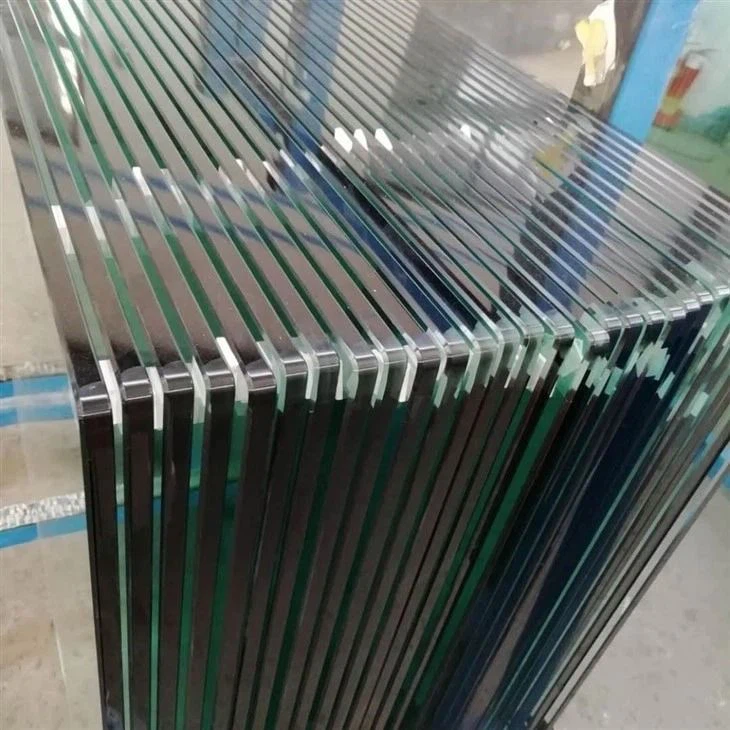

Bullet-resistant glass is primarily used in high-security applications where protection against ballistic threats is required. It is commonly found in banks, government buildings, military installations, and other facilities where the risk of armed attacks is high. Bullet-resistant glass can also be used in vehicles, such as armored cars, to provide protection for passengers.
Conclusion
In conclusion, both laminated glass and bullet-resistant glass have their own unique advantages and applications. Laminated glass is a cost-effective and versatile option that provides safety and security for a wide range of applications. It is suitable for most residential and commercial buildings where the risk of ballistic threats is low.
Bullet-resistant glass, on the other hand, is a specialized type of glass designed to provide a high level of protection against ballistic threats. It is more expensive and requires specialized installation, but it is essential in high-security applications where the risk of armed attacks is high.
If you're considering using laminated glass or bullet-resistant glass for your project, it's important to consult with a professional to determine the best option for your specific needs. As a supplier of laminated glass, I can provide you with more information about our products and help you make an informed decision. If you're interested in purchasing laminated glass or have any questions, please feel free to contact us for a consultation.
References
- Glass Association of North America. (n.d.). Laminated Glass. Retrieved from [Website URL]
- International Window Film Association. (n.d.). Bullet-Resistant Glass. Retrieved from [Website URL]
- Safety Glazing Materials Standards Council. (n.d.). Standards for Safety Glazing Materials. Retrieved from [Website URL]
