

Lacquered glass has gained significant popularity in recent years, not only for its aesthetic appeal but also for its potential functionality in various applications. As a leading lacquered glass supplier, I often receive inquiries about how lacquered glass performs in terms of sound insulation. In this blog post, I will delve into the science behind sound insulation, examine the factors that influence the sound - insulating properties of lacquered glass, and discuss its practical applications.
Understanding Sound Insulation
Before we discuss how lacquered glass performs in sound insulation, it's important to understand the basic principles of sound and its transmission. Sound is essentially a mechanical wave that travels through a medium, such as air, water, or solid materials. When sound waves encounter a barrier, part of the sound energy is reflected, part is absorbed, and part is transmitted through the barrier.
The sound - insulating performance of a material is typically measured by its Sound Transmission Class (STC) rating. The STC is a single - number rating that represents the ability of a partition to reduce sound transmission. A higher STC rating indicates better sound insulation. For example, an STC rating of 30 is considered fair for normal speech privacy, while an STC rating of 50 or above is excellent for providing a high level of sound isolation.
Factors Affecting the Sound Insulation of Lacquered Glass
Glass Thickness
One of the most significant factors influencing the sound - insulating performance of lacquered glass is the thickness of the glass itself. Thicker glass generally has better sound - insulating properties because it has more mass to resist the movement of sound waves. As a result, sound waves have a harder time passing through the glass, leading to more sound energy being reflected or absorbed.
For instance, a single pane of 3 - millimeter lacquered glass will have a much lower STC rating compared to a 6 - millimeter or 10 - millimeter pane. When designing a space where sound insulation is a priority, choosing a thicker lacquered glass can make a substantial difference.
Lacquer Coating
The lacquer coating on the glass also plays a role in sound insulation. Although the lacquer layer is relatively thin, it can contribute to the overall mass of the glass and may have some sound - absorbing properties. Different types of lacquers may have varying effects on sound insulation. Some high - quality lacquers are formulated to enhance the glass's ability to dampen sound vibrations.
However, it's important to note that the primary function of the lacquer is often decorative rather than acoustic. So, while it can have a minor impact on sound insulation, it should not be relied upon as the sole means of achieving high - level soundproofing.
Airspace in Insulated Glass Units
Many lacquered glass products are used in insulated glass units (IGUs), which consist of two or more glass panes separated by an airspace. The airspace in an IGU acts as an additional barrier to sound transmission. When sound waves hit the first glass pane, some of the energy is reflected, and the rest is transmitted through the glass. As the sound waves enter the airspace, they encounter a different medium, which further disrupts their transmission.
The width of the airspace also matters. A wider airspace generally provides better sound insulation. However, there are practical limits to how wide the airspace can be, as too wide an airspace may lead to structural instability or increased heat transfer.
Sound Insulation Performance of Lacquered Glass in Different Applications
Residential Applications
In residential settings, lacquered glass can be used in windows, doors, and interior partitions. For windows, especially those facing noisy streets or areas with high traffic, using lacquered glass with a high STC rating can significantly reduce the amount of external noise entering the home. This creates a more peaceful and comfortable living environment.
Interior partitions made of lacquered glass can also help in separating different living areas while providing a modern and stylish look. For example, a lacquered glass partition between a living room and a home office can reduce the noise transfer between the two spaces, allowing for more focused work or relaxation. You can explore our Tinted Painted Glass and Colored Stained Glass options for unique residential applications.
Commercial Applications
In commercial buildings, such as offices, restaurants, and hotels, sound insulation is crucial for creating a pleasant and functional environment. Lacquered glass can be used in office partitions to separate workspaces and reduce distractions. In restaurants and hotels, it can be used in interior design elements like room dividers or decorative panels.
For example, Painted Glass Wall Panels can not only add a touch of elegance to a hotel lobby but also help in reducing the noise from the entrance area or other public spaces. This enhances the overall guest experience by providing a quieter and more comfortable environment.
Comparing Lacquered Glass with Other Sound - Insulating Materials
When compared to other common sound - insulating materials, such as drywall or acoustic panels, lacquered glass has its own advantages and limitations.
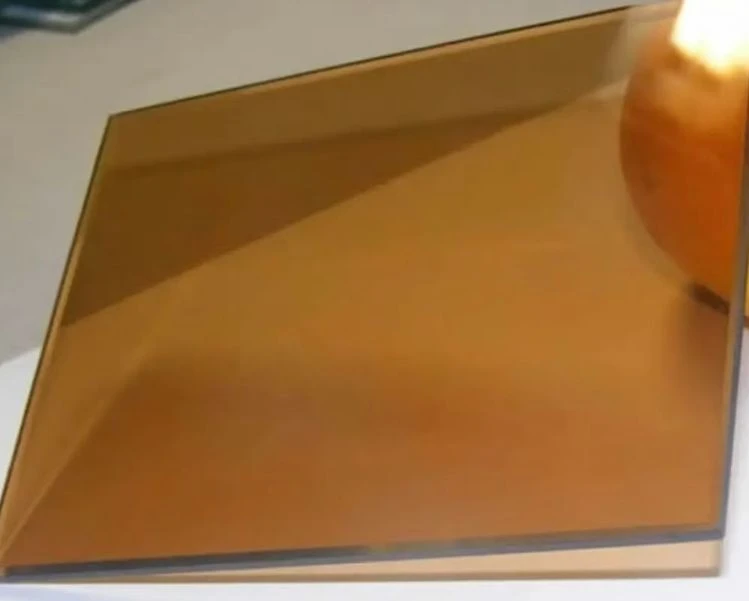
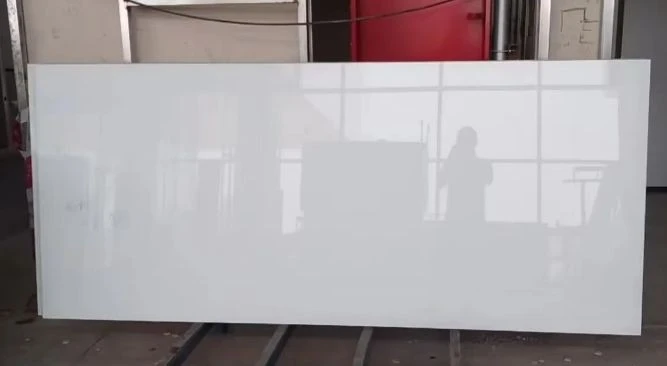
On the positive side, lacquered glass offers a unique aesthetic appeal that is hard to match with other materials. It can add a modern, sleek, and transparent or semi - transparent look to a space. Additionally, glass is a durable material that is resistant to moisture, stains, and scratches, making it suitable for long - term use in various environments.
However, in terms of pure sound - insulating performance, lacquered glass may not be as effective as some specialized acoustic materials. For example, a thick layer of acoustic insulation made of fiberglass or mineral wool can achieve much higher STC ratings than a single pane of lacquered glass. But by using lacquered glass in combination with other sound - insulating strategies, such as proper installation techniques and additional acoustic treatments, it is possible to achieve satisfactory soundproofing results.
Tips for Maximizing Sound Insulation with Lacquered Glass
Proper Installation
The way lacquered glass is installed can have a significant impact on its sound - insulating performance. A well - installed glass panel with proper seals around the edges can prevent sound leakage. Gaps or cracks in the installation can allow sound waves to bypass the glass, reducing its effectiveness.
Combining with Other Materials
As mentioned earlier, combining lacquered glass with other sound - insulating materials can enhance its performance. For example, using acoustic caulking around the edges of the glass or adding a layer of acoustic insulation behind the glass can further reduce sound transmission.
Conclusion
In conclusion, lacquered glass can provide a certain level of sound insulation, especially when used in the right applications and in combination with other sound - insulating strategies. Its performance is influenced by factors such as glass thickness, lacquer coating, and the use of insulated glass units.
Whether you are looking to create a peaceful home environment or a functional commercial space, lacquered glass can be a great choice for both its aesthetic and acoustic properties. If you are interested in learning more about our lacquered glass products or discussing your specific sound - insulation needs, please feel free to contact us. We are here to help you find the best lacquered glass solutions for your project.
References
- Beranek, Leo L. "Acoustics." American Institute of Physics, 1986.
- Kinsler, Lawrence E., et al. "Fundamentals of Acoustics." Wiley, 2000.
