

How does dichroic glass change colors?
As a supplier of dichroic glass, I've had the privilege of witnessing the mesmerizing allure of this unique material firsthand. Dichroic glass is a captivating medium that seems to possess a magical ability to shift and transform colors before our eyes. In this blog post, I'll delve into the science behind this phenomenon and explore how dichroic glass achieves its stunning color - changing effects.
The Basics of Dichroic Glass
Dichroic glass is not your ordinary glass. It is created through a process called thin - film deposition, which involves applying multiple extremely thin layers of metal oxides onto the surface of a base glass. These metal oxide layers are typically made from materials such as titanium, silicon, and zirconium. The thickness of these layers is precisely controlled, usually ranging from a few nanometers to several hundred nanometers.
The Principle of Interference
The key to understanding how dichroic glass changes colors lies in the principle of light interference. When light hits the surface of dichroic glass, it interacts with the multiple thin layers of metal oxides. Some of the light is reflected off the outer layer, while the rest passes through and is reflected off the inner layers.

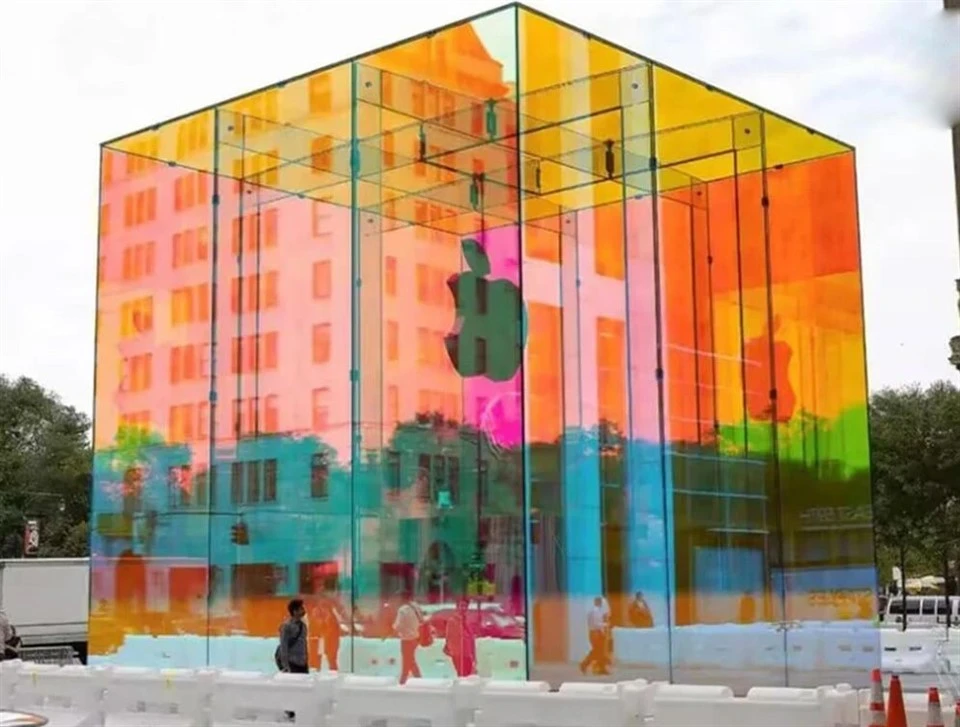
These reflected light waves then combine with each other. Depending on the thickness of the metal oxide layers and the angle at which the light hits the glass, the combined light waves can either reinforce or cancel each other out. This is known as constructive and destructive interference.
Constructive interference occurs when the peaks and troughs of the light waves align, resulting in an increase in the intensity of certain wavelengths of light. Destructive interference, on the other hand, happens when the peaks of one wave align with the troughs of another, causing those wavelengths of light to be canceled out.
Color Shifting with Angle
One of the most fascinating aspects of dichroic glass is its ability to change colors as the viewing angle changes. When you look at dichroic glass from different angles, the path that the light takes through the thin layers of metal oxides changes. This alters the way the light waves interfere with each other, leading to a shift in the colors that are visible.
For example, when viewed straight on, dichroic glass may appear to have a dominant color such as blue or green. But as you tilt the glass, the color may gradually change to purple, red, or even gold. This is because different wavelengths of light are being reinforced or canceled out at different angles of incidence.
Applications of Dichroic Glass
The unique color - changing properties of dichroic glass make it a popular choice for a wide range of applications. In the world of art and jewelry, dichroic glass is used to create stunning pendants, earrings, and sculptures. Artists can take advantage of its color - shifting effects to add an element of surprise and depth to their creations.
In architecture, dichroic glass has also found its place. Dichroic Architectural Glass can be used in building facades, windows, and interior partitions. The constantly changing colors of the glass can enhance the aesthetic appeal of a building and create a dynamic visual experience for those inside and outside.
Another application is in lighting design. Dichroic filters made from dichroic glass are used in stage lighting, photography, and other lighting systems. These filters can selectively transmit or reflect certain wavelengths of light, allowing for precise control over the color and quality of the light.
Manufacturing Process
The manufacturing of dichroic glass is a highly specialized and precise process. First, a high - quality base glass is selected. This base glass provides the structural integrity and transparency necessary for the final product.
The thin - film deposition process is then carried out in a vacuum chamber. The metal oxides are vaporized and deposited onto the surface of the base glass in a controlled manner. The thickness of each layer is carefully monitored using sophisticated equipment to ensure the desired color - changing effects are achieved.
After the deposition process, the dichroic glass may undergo additional heat treatment to improve its durability and adhesion of the metal oxide layers. This heat treatment can also enhance the overall stability of the color - changing properties.
Quality Control
As a supplier, quality control is of utmost importance. We have strict procedures in place to ensure that each piece of dichroic glass meets our high standards. We use advanced testing equipment to measure the thickness of the metal oxide layers, the color accuracy, and the durability of the glass.
We also conduct visual inspections to check for any surface defects or inconsistencies in the color - changing effects. Only the highest - quality dichroic glass is selected for our customers.
Advantages of Our Dichroic Glass
Our dichroic glass offers several advantages over other products on the market. Firstly, our manufacturing process allows for a high degree of color customization. We can create dichroic glass with a wide range of color combinations and effects to meet the specific needs of our customers.
Secondly, our dichroic glass is highly durable. The carefully applied metal oxide layers are resistant to scratching, fading, and environmental damage. This ensures that the color - changing effects of our glass will remain vibrant and consistent over time.
Contact Us for Procurement
If you're interested in incorporating dichroic glass into your next project, whether it's an art piece, an architectural design, or a lighting application, we'd love to hear from you. Our team of experts can provide you with detailed information about our products, including samples and pricing. We can also work with you to develop custom - made dichroic glass solutions to fit your unique requirements.
Feel free to reach out to us to start a conversation about how our Dichroic Tinted Glass can add a touch of magic to your creations.
References
- Smith, J. (2018). The Science of Glass. New York: Glass Press.
- Brown, A. (2019). Architectural Glass Innovations. London: Building Science Publishers.
- Green, C. (2020). Artistic Applications of Dichroic Glass. Paris: Artistic Media Books.
