

Hey there! As a supplier of tempered glass, I often get asked a bunch of questions about our products. One query that pops up quite a bit is, "Does tempered glass fog up easily?" Well, let's dive right into it and find out.
First off, let's understand what tempered glass is. Tempered glass is a type of safety glass that's been through a thermal or chemical treatment process. This treatment makes it stronger and more resistant to breakage compared to regular glass. It's used in all sorts of places, from home windows to commercial buildings, and even in some fancy kitchen appliances.
Now, back to the fogging question. Fogging on glass happens when warm, moist air comes into contact with a cold surface. The water vapor in the air condenses into tiny droplets on the glass, creating that hazy, foggy look. So, does tempered glass fog up more or less easily than other types of glass?
The short answer is that tempered glass doesn't have a significantly different tendency to fog up compared to regular glass. The fogging mainly depends on the temperature and humidity conditions around the glass, rather than the fact that it's tempered. If the environment has a high humidity level and there's a big difference between the indoor and outdoor temperatures, any glass, including tempered glass, is likely to fog up.
However, there are some factors related to tempered glass that can have a bit of an impact on fogging. For example, tempered glass is often used in double - glazed or insulated glass units. These units have a layer of air or gas trapped between two panes of glass, which acts as an insulator. This insulation can reduce the temperature difference between the inner and outer surfaces of the glass, making it less likely for water vapor to condense and fog up.
Let's talk about some of the different types of tempered glass we offer. We have Terrace Tempered Glass. This is great for outdoor terraces and balconies. It needs to withstand different weather conditions, including rain, wind, and changes in temperature. While it might fog up a bit on cool, humid mornings, the good thing is that it's designed to be durable and can handle these environmental challenges.
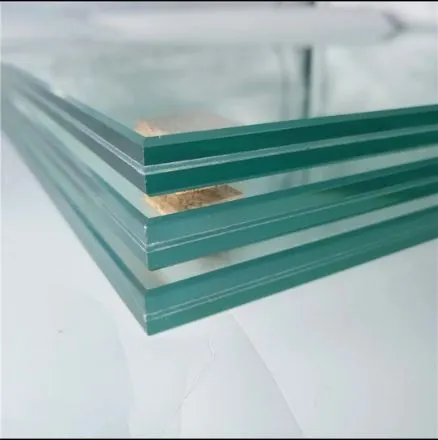

Another type is Laminated Safety Tempered Glass. This glass has an extra layer in between the tempered panes, which not only adds to its safety but can also affect fogging. The extra layer can provide additional insulation, reducing the chances of fogging. It's commonly used in areas where safety is a top priority, like in schools and public buildings.
We also have Transparent Tempered Safety Glass. This glass is perfect for places where you want a clear view, like storefronts or office partitions. Since it's often used in indoor settings, the risk of fogging can be managed by controlling the indoor climate. But if there are sudden changes in temperature or humidity, it could still fog up.
So, what can you do to prevent tempered glass from fogging up? There are a few things. First, you can use a dehumidifier in the room to reduce the humidity level. This makes it less likely for water vapor to condense on the glass. Second, you can keep the temperature more consistent. For example, if you have a big temperature difference between the inside and outside, try to adjust the indoor temperature gradually.
Another option is to use anti - fog coatings on the glass. These coatings work by changing the surface tension of the glass, so instead of forming droplets, the water spreads out into a thin, clear layer. There are both DIY anti - fog sprays that you can buy at a hardware store and professional - grade coatings that we can apply during the manufacturing process.
In conclusion, while tempered glass doesn't have an inherent quality that makes it fog up more or less easily than other types of glass, there are ways to manage and reduce fogging. Whether you're looking for a glass for your home, office, or outdoor space, we have a variety of tempered glass options to suit your needs.
If you're interested in purchasing tempered glass for your project, we'd love to have a chat with you. We can help you choose the right type of glass based on your specific requirements, and also provide you with information on any additional treatments or features that can enhance the performance of the glass. Don't hesitate to reach out and start a conversation about your tempered glass needs.
References
- "Understanding Glass Properties" - Glass Association of North America
- "The Science of Condensation on Glass Surfaces" - Journal of Building and Construction Materials
