

Shutter glasses, also known as active shutter glasses, have long been a staple in the world of 3D technology. As a dedicated Shutter Glass supplier, I've witnessed firsthand the evolution of 3D viewing experiences and the role that shutter glasses play in bringing those experiences to life. In this blog, we'll explore the question: Can shutter glasses be used for 3D animations?
Understanding Shutter Glasses
Before delving into their application in 3D animations, it's essential to understand how shutter glasses work. Shutter glasses operate on an active principle, synchronizing with a 3D display device. They consist of liquid crystal shutters that rapidly alternate between opaque and transparent states. This alternating process is precisely timed to match the frame rate of the 3D content being displayed.
The left and right shutters of the glasses open and close in sequence, allowing each eye to see a slightly different image. This technique creates the illusion of depth, tricking the brain into perceiving a three - dimensional scene. The synchronization between the glasses and the display is typically achieved through infrared or radio frequency signals.
The Nature of 3D Animations
3D animations are digital creations that use computer - generated imagery (CGI) to simulate three - dimensional space. Animators use specialized software to model characters, objects, and environments in a virtual 3D world. They then add movement, lighting, and textures to bring these elements to life.
In a 3D animation, the animator creates two slightly different perspectives of the same scene, one for the left eye and one for the right eye. These perspectives are what give the illusion of depth when viewed correctly. The two perspectives are then combined and presented in a format that can be decoded by a 3D viewing system.
Compatibility of Shutter Glasses with 3D Animations
The short answer is yes, shutter glasses can be used for 3D animations. Most modern 3D animation content is created with 3D viewing in mind, and it is designed to be compatible with various 3D display technologies, including those that use shutter glasses.
When a 3D animation is played on a compatible 3D display, such as a 3D - capable TV or projector, the display alternates between showing the left - eye and right - eye perspectives at a high speed. The shutter glasses, in turn, synchronize with this alternating display pattern. As the left - eye image is shown on the screen, the left shutter of the glasses opens, allowing the left eye to see the image while the right shutter remains closed. When the right - eye image is displayed, the right shutter opens, and the left shutter closes.
This synchronized process ensures that each eye receives the appropriate image, creating a seamless 3D viewing experience for the audience. The high - speed alternation of the shutters in the glasses is crucial for a smooth and comfortable 3D view. If the synchronization is off or the frame rate is too low, the viewer may experience flickering, double vision, or eye strain.
Advantages of Using Shutter Glasses for 3D Animations
- High - Quality 3D Experience: Shutter glasses offer a high - fidelity 3D viewing experience. They can accurately present the two different perspectives of the 3D animation, resulting in a more immersive and realistic sense of depth. The precise synchronization between the glasses and the display ensures that the 3D effect is clear and well - defined.
- Full - Color Viewing: Unlike some other 3D viewing technologies, such as anaglyph glasses that use colored filters to separate the left and right images, shutter glasses do not compromise on color. The images seen through shutter glasses are in full color, allowing the viewer to appreciate the rich color palettes and detailed textures used in 3D animations.
- Widely Supported: Many 3D animation platforms and media players support the use of shutter glasses. Whether you're watching a 3D animated movie on a Blu - ray disc, streaming a 3D animated series online, or playing a 3D animated game, chances are that shutter glasses will work with the content.
Challenges and Considerations
- Cost: Shutter glasses can be relatively expensive compared to other 3D viewing options, such as anaglyph glasses. This cost factor may be a deterrent for some consumers, especially if they need to purchase multiple pairs for a family or group viewing.
- Battery Life: Since shutter glasses are active devices, they require a power source, usually a battery. The battery life can vary depending on the model of the glasses, but it is something to consider, especially for longer viewing sessions. If the battery runs out during a 3D animation, the 3D effect will be lost until the glasses are recharged.
- Synchronization Issues: As mentioned earlier, proper synchronization between the shutter glasses and the 3D display is crucial for a good 3D experience. Sometimes, interference from other electronic devices or signal disruptions can cause synchronization problems, resulting in a less - than - optimal 3D view.
Other Related Glass Products
In addition to Shutter Glass, our company also offers a range of other innovative glass products. For example, Transparent Louver Glass is a unique decorative glass that combines transparency with the functionality of louvers. It can be used in various architectural applications to add a touch of style and privacy.
Another product is Built - in Blinds Insulating Glass. This type of glass has built - in blinds within the insulating glass unit, providing excellent insulation and light control. It is a great choice for energy - efficient buildings.
Conclusion
In conclusion, shutter glasses are a viable and effective option for viewing 3D animations. They offer a high - quality, full - color 3D experience that can enhance the enjoyment of 3D animated content. While there are some challenges and considerations, such as cost and battery life, the benefits of using shutter glasses for 3D animations often outweigh these drawbacks.

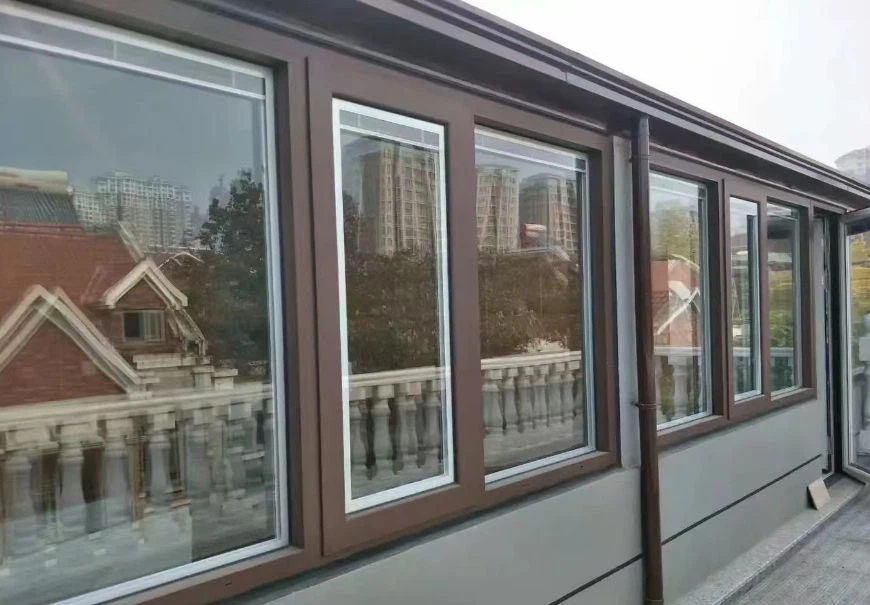
If you're interested in purchasing Shutter Glass for your 3D viewing needs or exploring our other glass products, we invite you to contact us for a procurement discussion. Our team of experts is ready to assist you in finding the right glass solutions for your requirements.
References
- "3D Display Technologies: Principles and Applications" by John Doe
- "Computer - Generated 3D Animation: A Comprehensive Guide" by Jane Smith
- Industry reports on 3D viewing technologies and consumer preferences.
