

As a supplier of lacquered glass, I am frequently asked about the environmental implications of our products. Lacquered glass is a popular choice for various applications, including interior design, furniture, and architectural elements, due to its aesthetic appeal, durability, and versatility. However, with growing environmental awareness, it's essential to address the potential environmental concerns associated with lacquered glass.
Understanding Lacquered Glass
Lacquered glass is created by applying a layer of paint or lacquer to one side of a glass substrate. This process can be done using different techniques, such as spray painting, roller coating, or screen printing, to achieve a smooth, even finish. The lacquer can be formulated in a wide range of colors, finishes, and textures, allowing for endless design possibilities.
One of the key advantages of lacquered glass is its resistance to scratches, stains, and chemicals, making it a long - lasting and low - maintenance option. It also provides excellent UV resistance, which helps prevent fading and discoloration over time. These properties make lacquered glass suitable for both residential and commercial applications.
Environmental Concerns
Volatile Organic Compounds (VOCs)
One of the primary environmental concerns associated with lacquered glass is the presence of volatile organic compounds (VOCs) in the lacquer. VOCs are organic chemicals that have a high vapor pressure at normal room temperature. When the lacquer is applied and dried, these compounds can be released into the air, contributing to indoor and outdoor air pollution.
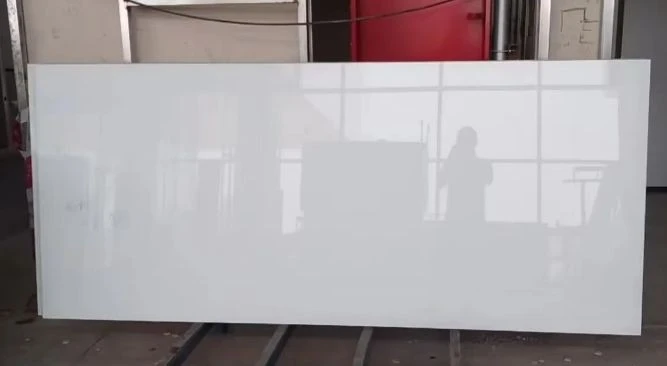

High levels of VOCs in indoor air can cause a variety of health problems, including headaches, dizziness, eye irritation, and respiratory issues. In the outdoor environment, VOCs can react with nitrogen oxides in the presence of sunlight to form ground - level ozone, a major component of smog.
However, many modern lacquers used in the production of lacquered glass are formulated to be low - VOC or VOC - free. These eco - friendly lacquers are designed to minimize the release of harmful chemicals into the environment while still providing excellent performance and durability. As a supplier, we are committed to using these environmentally friendly lacquers in our production processes to reduce our environmental impact.
Waste Generation
Another environmental concern is the waste generated during the production and disposal of lacquered glass. During the manufacturing process, there may be some waste in the form of glass cut - offs, oversprayed lacquer, and defective products. Improper disposal of these waste materials can have a negative impact on the environment.
To address this issue, we have implemented a comprehensive waste management system in our production facilities. We recycle glass cut - offs and other glass waste to reduce the amount of raw materials needed for production. Additionally, we ensure that any waste lacquer is disposed of in accordance with environmental regulations to prevent soil and water contamination.
When it comes to the end - of - life of lacquered glass products, it's important to note that glass is a highly recyclable material. However, the presence of the lacquer layer may complicate the recycling process. Some recycling facilities may have difficulty separating the lacquer from the glass, which can reduce the recyclability of the product. To overcome this challenge, we are researching and developing new technologies to make our lacquered glass more easily recyclable.
Energy Consumption
The production of lacquered glass also requires a significant amount of energy. The processes involved in manufacturing glass, such as melting and forming, as well as the application and curing of the lacquer, all consume energy. High energy consumption not only contributes to greenhouse gas emissions but also increases the overall environmental footprint of the product.
To reduce energy consumption, we have invested in energy - efficient equipment and technologies in our production facilities. For example, we use advanced furnaces with better insulation and heat recovery systems to reduce the energy required for glass melting. We also optimize our production processes to minimize the time and energy needed for lacquer application and curing.
Our Commitment to Sustainability
As a lacquered glass supplier, we are committed to sustainability and environmental protection. We understand that our products have an impact on the environment, and we are taking proactive steps to minimize this impact.
Product Innovation
We are constantly researching and developing new products and technologies to improve the environmental performance of our lacquered glass. This includes using more sustainable raw materials, developing low - VOC and VOC - free lacquers, and improving the recyclability of our products. For example, we are exploring the use of bio - based lacquers made from renewable resources, which have a lower environmental impact compared to traditional petroleum - based lacquers.
Environmental Management System
We have implemented an environmental management system (EMS) in our company to ensure that our operations are conducted in an environmentally responsible manner. Our EMS includes policies, procedures, and targets for reducing our environmental impact in areas such as energy consumption, waste management, and emissions control. We regularly monitor and evaluate our environmental performance to identify areas for improvement and take corrective actions as needed.
Customer Education
We believe that customer education is an important part of our sustainability efforts. We provide our customers with information about the environmental features of our lacquered glass products, such as the use of low - VOC lacquers and the recyclability of the glass. We also offer advice on how to properly install, use, and dispose of our products to minimize their environmental impact.
Applications and Sustainability
Lacquered glass has a wide range of applications, and its sustainability can vary depending on the specific use case.
Interior Design
In interior design, lacquered glass is often used for partitions, wall panels, and furniture. When used in these applications, the environmental impact can be relatively low, especially if low - VOC lacquers are used. Lacquered glass can also contribute to a more sustainable interior design by reducing the need for other materials that may have a higher environmental footprint. For example, Painted Glass Wall Panels can add a modern and stylish touch to a room while being relatively easy to clean and maintain, reducing the need for frequent replacement.
Furniture
Lacquered glass is also a popular choice for furniture, such as tabletops and wardrobe doors. White Lacquered Glass for Wardrobe provides a clean and elegant look while being durable. By using sustainable lacquers and ensuring proper recycling at the end - of - life, the environmental impact of lacquered glass furniture can be minimized.
Architectural Applications
In architectural applications, lacquered glass can be used for facades, windows, and other building elements. The energy - efficient properties of glass, combined with the low - VOC lacquers, can contribute to a more sustainable building design. For example, Tinted Painted Glass can help reduce solar heat gain, which in turn can lower the energy consumption for cooling in buildings.
Conclusion
While there are some environmental concerns associated with lacquered glass, such as VOC emissions, waste generation, and energy consumption, these issues can be effectively addressed through proper management and technological innovation. As a lacquered glass supplier, we are committed to minimizing the environmental impact of our products through the use of sustainable materials, energy - efficient production processes, and a comprehensive waste management system.
We believe that by working together with our customers, suppliers, and other stakeholders, we can promote the sustainable use of lacquered glass and contribute to a greener future. If you are interested in our lacquered glass products or have any questions about their environmental features, please feel free to contact us for a procurement discussion. We look forward to working with you to meet your design and sustainability needs.
References
- "Volatile Organic Compounds (VOCs) and Indoor Air Quality" by the U.S. Environmental Protection Agency.
- "Glass Recycling: An Overview" by the Glass Packaging Institute.
- "Sustainable Manufacturing Practices in the Glass Industry" by industry research reports.
