

Hey there, glass enthusiasts! As a lacquered glass supplier, I've gotten tons of questions about how lacquered glass stacks up against laminated glass. So, I thought I'd break it down in this blog post to help you decide which type of glass is right for your needs.
First Up: What's Lacquered Glass?
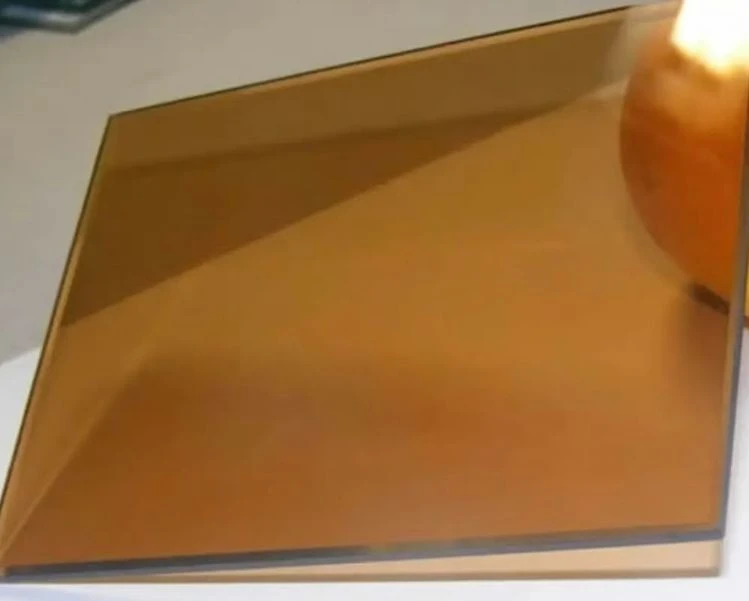
Lacquered glass is super cool. It's regular glass that's been coated with a special lacquer on one side. This lacquer can come in all sorts of colors and finishes, so it's great for adding a decorative touch to your space. You can find Tinted Painted Glass that gives a subtle, shaded look, or White Lacquered Glass for Wardrobe which is perfect for a clean, modern wardrobe. There's even Colored Stained Glass that can turn any area into a work of art.
The process of making lacquered glass involves applying the lacquer in a controlled environment to ensure an even, smooth finish. Once the lacquer dries, it creates a hard, durable surface that's resistant to scratches and wear. Plus, it's really easy to clean - just wipe it down with a damp cloth, and it'll look as good as new.
And Now, Laminated Glass
Laminated glass is a bit different. It's made by sandwiching a layer of polyvinyl butyral (PVB) between two or more layers of glass. This PVB layer holds the glass together even when it breaks, reducing the risk of sharp shards flying everywhere. That's why it's often used in places where safety is a major concern, like car windshields, tall buildings, and areas prone to hurricanes or earthquakes.
The manufacturing process of laminated glass requires precise temperature and pressure control to ensure that the PVB layer bonds properly with the glass. The end result is a strong, impact-resistant glass that can withstand a fair amount of force.
Comparing the Two: Appearance
When it comes to looks, lacquered glass has a huge advantage. With all the different colors and finishes available, you can get a truly unique and eye - catching look for your project. Whether you want a bold, bright color for a modern kitchen backsplash or a muted, elegant shade for a bathroom partition, lacquered glass can deliver.
On the other hand, laminated glass is usually more focused on functionality. While it can come in tinted or frosted versions, the range of decorative options is more limited compared to lacquered glass. It's more likely to have a clear or semi - clear appearance that's designed to blend in rather than stand out.
Durability and Maintenance
Lacquered glass is quite durable. The lacquer coating protects the glass from scratches and minor abrasions. However, it's important to be careful with it, as harsh chemicals can damage the lacquer. As I mentioned earlier, regular cleaning with a mild soap and water solution is usually enough to keep it looking great.
Laminated glass is also very durable. Because of the PVB layer, it can handle a lot of impact without shattering completely. It's also resistant to UV rays, which helps prevent fading and discoloration over time. Maintenance is pretty simple - just wash it like you would any other glass surface.
Safety Factor
Safety is a crucial aspect when choosing glass. Laminated glass is the clear winner here. In the event of breakage, the PVB layer holds the glass fragments together, reducing the risk of serious injury. This makes it a top choice for safety - critical applications.

Lacquered glass, while durable, doesn't have the same safety features. When it breaks, it can shatter into sharp pieces, just like regular glass. So, if you're installing glass in an area where there's a high risk of breakage and potential injuries, laminated glass is the way to go.
Cost
Cost is always a consideration. Lacquered glass is generally more affordable than laminated glass. The manufacturing process for lacquered glass is relatively simple, and the materials used are less expensive. This makes it a great option for budget - conscious projects where appearance is more important than safety features.
Laminated glass, with its complex manufacturing process and the use of the PVB layer, is more costly. However, the added safety and durability can make it a worthwhile investment for certain applications.
Applications
Lacquered glass is incredibly versatile. It's popular for interior design elements such as wall panels, cabinet doors, and mirrors. Its decorative qualities make it a favorite among architects and designers who want to add a touch of style to a space. For example, using White Lacquered Glass for Wardrobe can give a bedroom a sleek, modern look.
Laminated glass is mainly used in areas where safety is a priority. As I've mentioned, it's common in automotive windshields, building facades, and in areas prone to natural disasters. It can also be used for soundproofing purposes, as the PVB layer helps to reduce noise transmission.
Which One Should You Choose?
It really depends on your specific needs. If you're looking for a glass that's decorative, affordable, and easy to customize, lacquered glass is a great option. It's perfect for interior design projects where appearance is key.
However, if safety is your main concern, or you need a glass that can withstand high impact and UV exposure, laminated glass is the better choice. It's ideal for applications in buildings, vehicles, and areas with high - risk factors.
Reach Out for More
If you're still not sure which type of glass is right for your project, or if you're interested in getting a quote for lacquered glass, don't hesitate to reach out. I'm here to help you make the best decision and find the perfect glass solution for your needs. Whether it's a small home renovation or a large - scale commercial project, I've got you covered.
References
- Glass Manufacturing Handbook, various editions.
- Architectural Glass Design and Specification Guides.
